A Tanzania wildlife safari is unlike anything else on earth. Whether it's your first time on the African continent or your fifth, stepping onto the Serengeti for a morning game drive never loses its power. Here is an honest, ground-level account of what you will actually experience — from the moment you arrive in Arusha to the evening campfire on your last night in the bush.
Tanzania's Northern Circuit: Four Parks, One Epic Journey
Most Tanzania safaris follow the Northern Circuit — a loop from Arusha that takes in four of Africa's most iconic wildlife destinations. Each park has its own character, and no two feel alike.
| Park | Best For | Drive from Arusha | Must-See |
|---|---|---|---|
| Serengeti | Big cats, Migration | ~8 hrs | Unmissable |
| Ngorongoro Crater | Big Five density | ~3 hrs | Unmissable |
| Tarangire | Elephants, baobabs | ~2 hrs | Highly Recommended |
| Lake Manyara | Flamingos, tree lions | ~2 hrs | Great Add-On |
Most 4–5 day safaris include the Serengeti and Ngorongoro Crater as their core, with Tarangire added on longer trips. If your time is truly limited, these two parks alone will exceed every expectation.
What a Typical Safari Day Looks Like
Early Morning: 5:30 AM Wake-Up
Expect an early call. The best game viewing happens in the first two hours after sunrise, when predators are most active and the light is extraordinary. You'll be on the road by 6:00 AM, thermos of coffee in hand, often the first vehicle into the park.
Morning Game Drive: 6:00 AM – 11:00 AM
This is the heart of your day. Your guide will scan the horizon, read animal tracks, and take radio calls from other guides reporting sightings. You'll stop frequently — often for 20–30 minutes at a time to observe predator behaviour, a herd on the move, or a kill from the previous night. There is no fixed route. The bush dictates the plan.
Midday: 11:00 AM – 3:00 PM
Animals rest in the heat of midday, and so do you. Most camps serve lunch between 12:00 and 1:00 PM, followed by free time — a swim if your camp has a pool, reading in the shade, or a nap. Some operators offer guided bush walks or cultural visits during this window.
Afternoon Game Drive: 3:30 PM – 6:30 PM
As the temperature drops, animals become active again. Afternoon drives often yield the most dramatic sightings — lion hunts, elephants at waterholes, cheetah sprinting across the plains. Sundowners (drinks in the bush as the sun sets) are a tradition on most safaris. You'll understand why the moment you try one.
The best sightings almost always happen when you're not rushing to the next park. Tell your guide you want to linger. Spend 45 minutes with a leopard in a tree rather than driving to three different locations. Patience is the best safari strategy.
What Animals Will You Actually See?
Tanzania is home to the highest concentration of large mammals on earth. On a well-guided safari in the Northern Circuit, sightings of the following are near-certain:
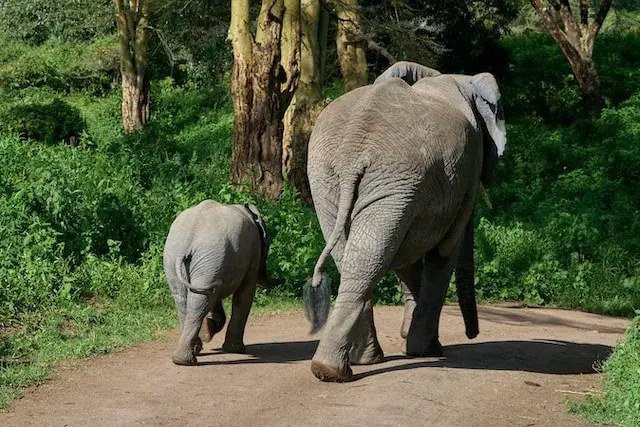
- African elephant — seen on virtually every drive, often in large herds in Tarangire
- Cape buffalo — common throughout all parks, often in enormous mixed herds
- Lion — resident prides in both the Serengeti and Ngorongoro, frequently spotted at rest or on hunts
- Leopard — the most elusive of the Big Five, but Ngorongoro and the Serengeti's kopjes are reliable spots
- Black rhinoceros — Ngorongoro Crater has one of Africa's last stable wild populations (roughly 30 individuals)
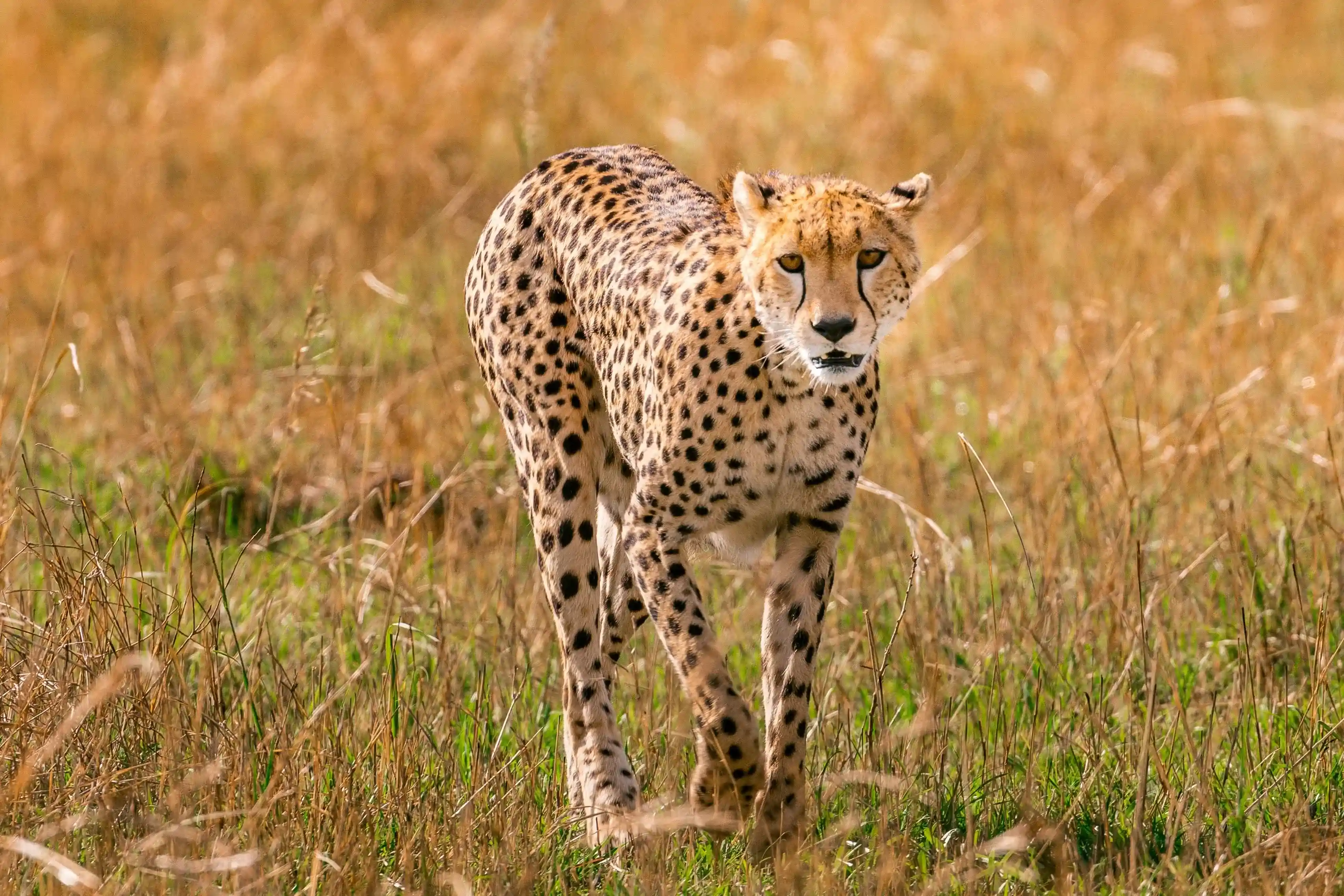
- Cheetah — the Serengeti's open plains are among the best cheetah habitat on the continent
- Hippopotamus — found in every river and waterhole; best seen at dusk or dawn
- Giraffe, zebra, wildebeest, impala, and gazelle — so common they form the backdrop of every drive
People ask me what the most exciting sighting is. I always say: the one you didn't expect. The hyena with cubs. The honey badger crossing the road. The moment you realise you've been sitting still for two hours and not noticed.
— Mr. Chacha, Founder & Lead Guide, Africa Endless CruisingSafari Accommodation: What to Expect
Tanzania offers a spectrum of safari lodging — from basic tented camps to extraordinary luxury lodges. All are within or adjacent to the parks. Here's what each level typically includes:
Permanent canvas structures with proper beds, en-suite bathrooms, hot water, and electricity. Meals included. This is the authentic safari experience — close to nature without sacrificing comfort.
Private suites, plunge pools, gourmet dining, and often private game drives. Brands like Singita and Asilia set the global standard. Prices reflect it — but the experience is transformative.
Basic facilities run by TANAPA. Bring your own tent and food. Only recommended for self-drive travellers or those on very tight budgets — the lack of guides reduces the quality of sightings significantly.
For most first-time visitors, we recommend mid-range tented camps. They place you close to the sights and sounds of the bush — you'll hear hyenas at night, elephants near the fence — while providing the comfort that allows you to be alert and energetic for early morning drives.
What Surprises First-Time Safari Guests
The Roads
Safari roads are unpaved, corrugated, and often deeply rutted. A full day of game driving means 6–8 hours in a 4WD vehicle on rough terrain. It is not uncomfortable — good vehicles have good suspension — but it is physically tiring in a way that surprises many first-timers. Bring a neck pillow. You'll use it.
The Silence
People expect noise. Africa is mostly silence punctuated by extraordinary moments. The hush of the Serengeti at dawn, the distant rumble of a wildebeest herd, the crack of an acacia branch in the dark. The quiet is part of the experience, and it becomes something you actively seek out.
The Dust
During the dry season (June–October), the Serengeti and Ngorongoro become very dusty. Dust settles on everything — your clothes, your camera, your lungs. A buff or scarf, and a dust-proof bag for your camera, are not optional. Pack light-coloured, breathable fabrics.
How Fast It Goes
Almost universally, guests tell us their only regret is not staying longer. Five days feels like two. The rhythm of the bush — early rises, the vast landscape, the daily rhythm of predator and prey — gets under your skin. We've never met a repeat visitor who came back for fewer days than their first trip.
The quality of your guide determines the quality of your safari more than any other single factor — more than the lodge, the park, or the season. Ask operators how their guides are trained, whether they speak English fluently, and how long they've been working in the specific parks on your itinerary. Our guides have an average of 12 years' field experience in Tanzania's Northern Circuit.
When to Go: Season by Season
Dry Season — June to October (Best Overall)
The classic safari season. Vegetation thins out, animals concentrate around water sources, and game viewing is at its most reliable. July–September brings the Great Migration's river crossings — one of the most dramatic wildlife events on earth. Crowds are higher and prices peak, but the experience justifies it.
Short Dry Season — January to February (Hidden Gem)
An underrated time to visit. The southern Serengeti fills with wildebeest calving — over 400,000 calves born in a six-week window, attracting every predator in the ecosystem. Fewer tourists, lower prices, and an extraordinary spectacle. This is increasingly our top recommendation for first-timers.
Green Season — March to May (Budget-Friendly)
The long rains bring lush vegetation and dramatically lower prices. Birdwatching is superb, the landscape is beautiful, and some parks become difficult to access due to muddy roads. Not ideal for first-timers hoping to maximise game viewing, but excellent for returning visitors seeking a different Tanzania.
Ready to Plan Your Tanzania Safari?
Our Moshi-based team will design a custom safari itinerary around your dates, budget, and interests — including which parks will offer the best sightings when you travel.
Frequently Asked Questions
Is Tanzania safe for tourists?
Yes. Tanzania is one of Africa's most stable and tourist-friendly countries. The Northern Circuit parks are well-managed, roads between major sites are reliable, and the country has a long tradition of welcoming international visitors. As with any destination, exercise normal awareness in cities, but inside the parks you are in the hands of your guides and operators.
Do I need vaccinations for a Tanzania safari?
Yellow fever vaccination is required if arriving from a yellow fever-endemic country. We recommend consulting a travel medicine clinic 6–8 weeks before departure for updated advice on malaria prophylaxis, typhoid, and hepatitis A. The parks themselves are not high-risk for malaria compared to coastal areas, but protection is still strongly advised.
Can I bring children on safari?
Most operators accept children aged 5 and above on standard safaris. Many tented camps and lodges have family-specific accommodation and activities. Game drives are long and early, so children need to be comfortable sitting quietly for extended periods. For younger children, a private safari gives you more flexibility over timing and pacing.
What should I pack for a safari?
Keep it light. Neutral-coloured, breathable clothing (khaki, olive, beige), a fleece or light jacket for cold mornings, a wide-brim hat, quality sunscreen, and a good pair of binoculars. Leave bright colours at home — they alarm wildlife and don't photograph well against the landscape. Most camps offer laundry service, so there's no need to overpack.