Tanzania's Two Main Seasons
Tanzania's climate is shaped by two monsoon cycles that produce a distinct rhythm of wet and dry periods. Understanding this rhythm is the single most important step in planning your trip.
| Season | Months | Rainfall | Safari Rating | Crowds | Rates |
|---|---|---|---|---|---|
| Long Dry Season | June – October | Minimal | ★ Peak | High | High |
| Short Dry Season | Jan – Feb | Very low | Excellent | Moderate | Moderate |
| Short Rains | Nov – Dec | Moderate | Good | Low | Lower |
| Long Rains | March – May | Heavy | Limited | Very low | Lowest |
Altitude matters too. The northern highlands around Arusha and Kilimanjaro sit above 1,400 m and are cooler year-round. The southern circuit parks (Ruaha, Selous/Nyerere) bake in the dry season but become lush gardens in the green months. Zanzibar follows its own coastal pattern, often the inverse of the mainland.
Booking 9–12 months in advance is essential for peak-season travel (July–September), especially for popular camps in the northern Serengeti. Shoulder months like June and October offer nearly identical wildlife viewing with marginally lower prices and fewer vehicles at sightings.
Month-by-Month Breakdown
Each month in Tanzania offers a distinct experience. Here is an honest look at what you can expect across the year.
Timing the Great Migration
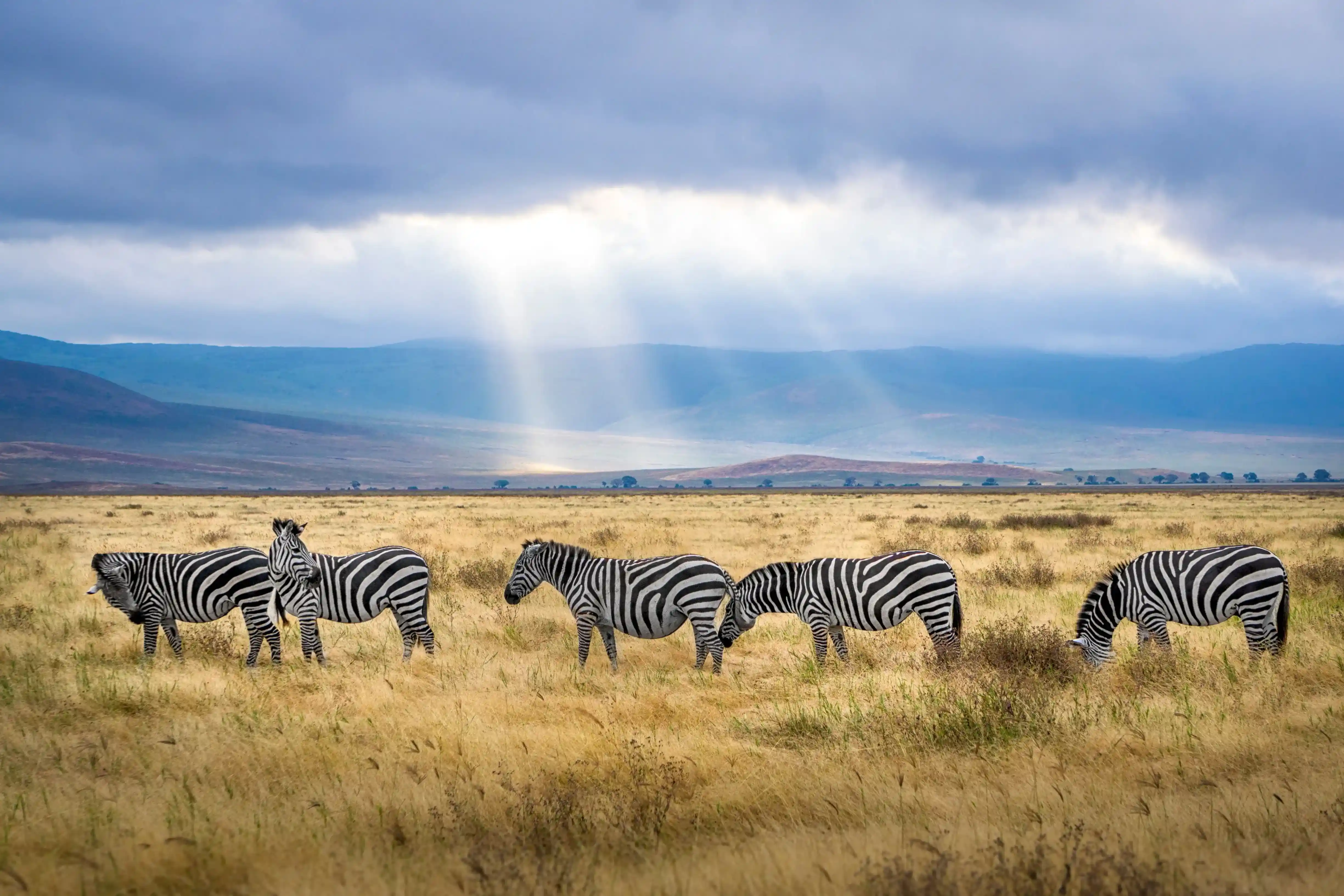
The Great Migration is not a single event — it is a continuous loop of approximately 1.5 million wildebeest and 250,000 zebra circling between Tanzania's Serengeti and Kenya's Masai Mara in search of fresh grazing. Understanding the calendar unlocks the exact spectacle you want to witness.
Migration Calendar at a Glance
- January – February: Calving season in the southern Serengeti (Ndutu area). Up to 8,000 wildebeest born every day — and predators know it.
- March – April: The herd begins its long march north and west through the Western Corridor, chasing new grass after the rains.
- May – June: Herd passes through the Grumeti River area. Crocodile crossings, though smaller-scale than the Mara.
- July – September: The Mara River crossings — the headline act. Massive herds surge across crocodile-filled waters into Kenya and back.
- October – November: The migration returns south through the eastern Serengeti, heading for the short-grass plains.
- December: The herd settles in the southern Serengeti. Calving begins again in December–January.
River crossings are unpredictable — herds can hesitate for days before plunging in. We recommend allocating at least 3 nights in the northern Serengeti (July–September) to maximise your chances of witnessing a crossing. Our guides monitor herd movements in real time.
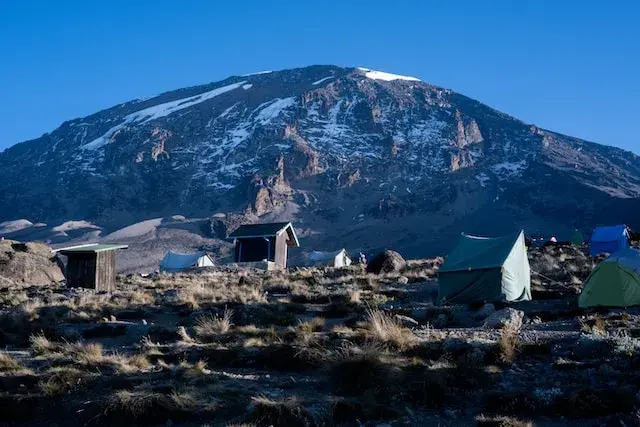
Best Time to Climb Kilimanjaro
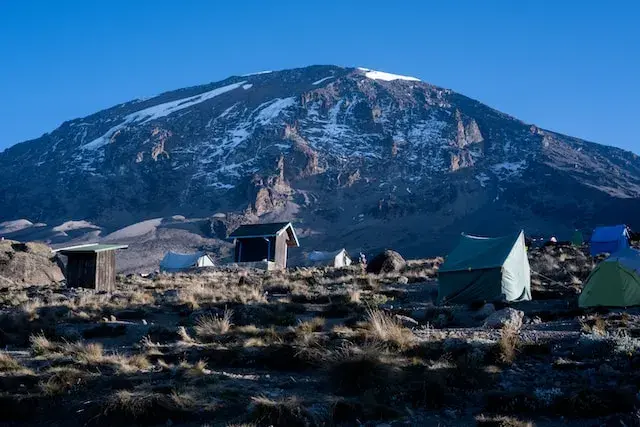
Africa's highest peak can technically be attempted year-round, but weather on the mountain operates on its own schedule, largely independent of the plains below.
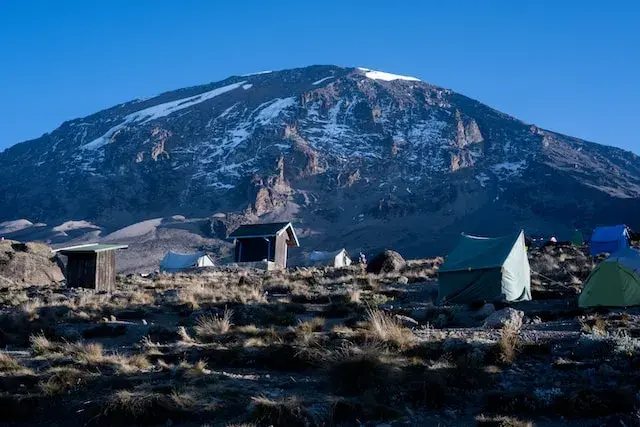
- January – February: Cold and clear at the summit. Excellent climbing conditions, fewer crowds than July–August.
- March – May: Long rains make lower slopes muddy and the summit zone icy. Not recommended.
- June – October: The prime climbing window. Dry, clear, and cold. July–August is the busiest.
- November: Short rains begin. Possible but less reliable.
- December: Generally acceptable, especially late December, which makes for a memorable festive summit.
Our recommended Kilimanjaro months are January–February and August–October — you get excellent summit weather and can pair the climb with a peak-season northern safari or quieter shoulder safari respectively.
Zanzibar Weather & Best Months
Zanzibar runs on a coastal monsoon pattern, which means its best months often overlap neatly with mainland Tanzania's dry season — making a safari-and-beach combination very easy to plan.
- June – October: The southeast trade wind (kusi) keeps conditions dry and warm. Excellent for snorkelling, diving, and beach days. Sea can be rough on the exposed east coast in July–August.
- December – February: Hot, sunny, and humid. The northwest monsoon (kaskazi) brings calm, clear seas — ideal for water sports.
- March – May: Heavy rains. Diving visibility poor; some beach hotels close. Not recommended.
- October – November: Short rains. Generally brief afternoon showers only — still a reasonable time to visit.
Best Months by National Park
Tanzania's parks are diverse in geography and wildlife, and some seasons suit certain parks better than others. Here is a quick overview.
| Park / Area | Best Months | Why |
|---|---|---|
| Serengeti (South) | Jan – Mar | Calving season, predator activity, short grass for visibility |
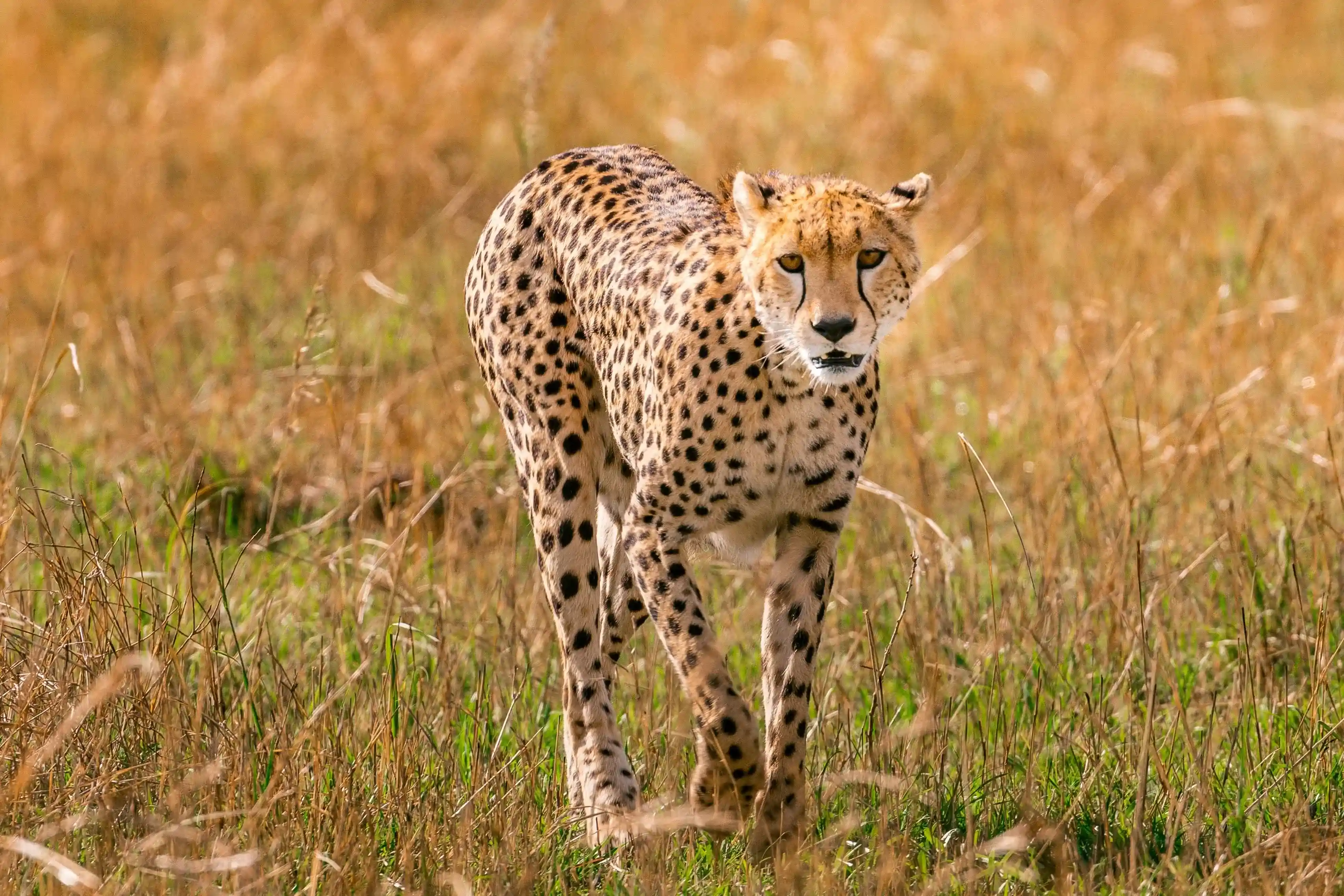
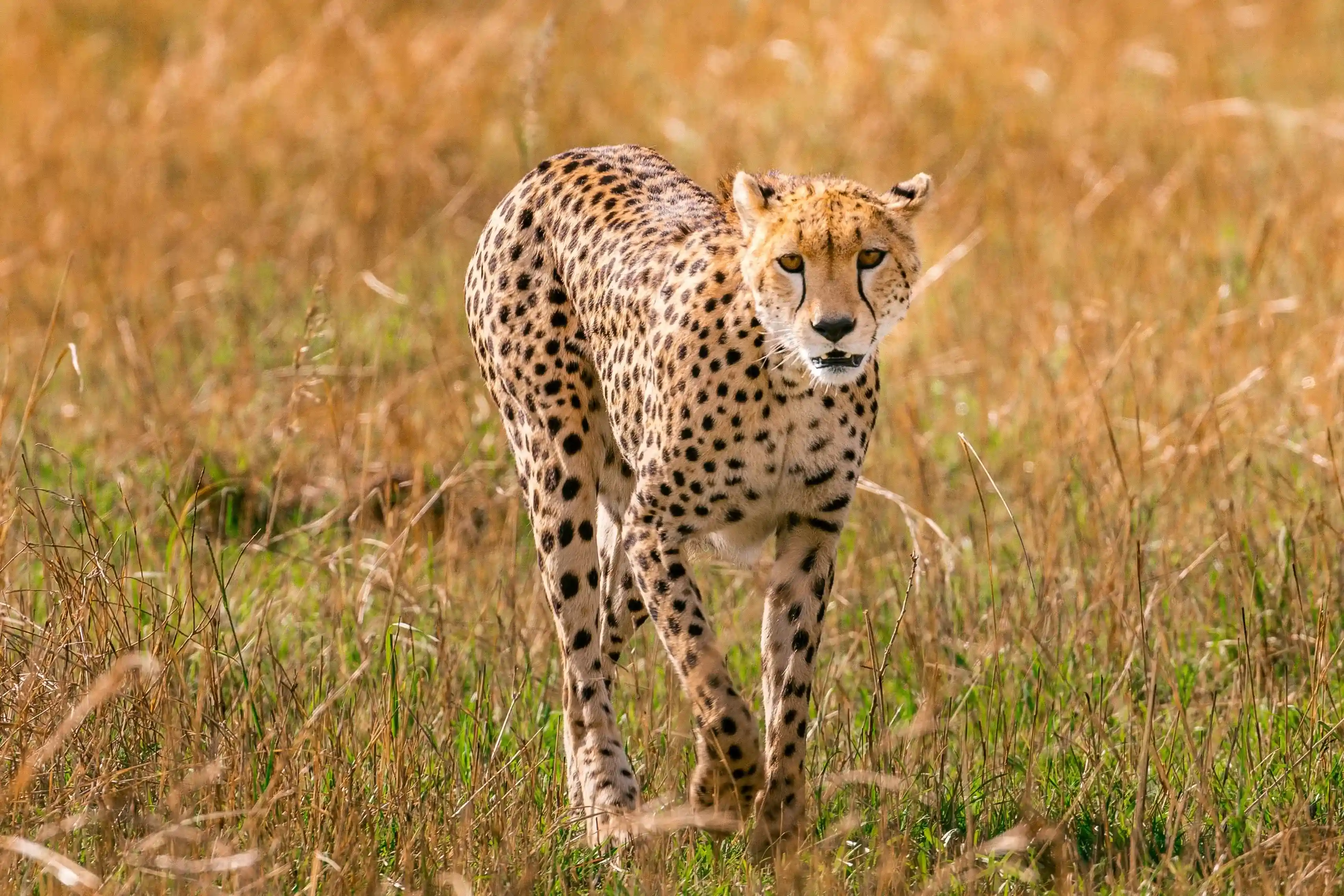
| Serengeti (North) | Jul – Oct | Mara River crossings, lion prides, cheetah on open plains |
| Ngorongoro Crater | Jun – Sep | Dry and clear; best for black rhino and flamingo sightings |
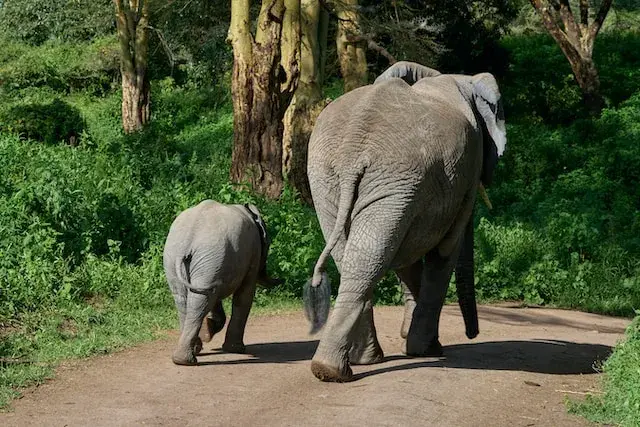
| Tarangire | Jul – Oct | Elephants congregate at the Tarangire River in huge numbers |
| Lake Manyara | Jun – Sep | Tree-climbing lions, flamingo flocks, lower water levels |
| Ruaha (South) | Jun – Oct | Remote, very little traffic; lion, wild dog, leopard — superb |
| Nyerere (Selous) | Jul – Oct | Rufiji River boat safaris, wild dog denning, elephant herds |
The Case for the Green Season
The green season (roughly March–May and November) gets an unfair reputation. While the long rains can make roads impassable and some camps close, there is a compelling case for visiting in shoulder months like November or late May.
- Rates at some lodges drop by 20–40% compared to peak season.
- The Serengeti turns a stunning emerald — landscapes look lush and dramatic for photography.
- Migratory birds arrive in November, making it a birder's paradise.
- Far fewer vehicles at sightings, making encounters feel more intimate and exclusive.
- Newborn animals — impala, zebra, buffalo — attract concentrations of predators.
November offers dramatic storm-lit skies, lush green savannah, and young animals — a combination that is impossible to replicate in the peak dry season. If wildlife photography is your primary goal, consider a November trip to the Ngorongoro Crater or southern Serengeti.
Final Planning Tips
With Tanzania's sheer size and diversity, here are the most important things to keep in mind as you finalise your plans.
- Book early for July–September. The most coveted northern Serengeti camps sell out a year in advance. Don't leave it until six months before your trip.
- Combine circuits strategically. Pair a southern circuit (Ruaha, Nyerere) in the dry season with Zanzibar — both are at their best simultaneously.
- Budget for flexibility. River crossings are wildlife-dependent. Build in at least 3 nights near the Mara River if this is your primary goal.
- Consider your pace. Back-to-back parks over 7 days can be exhausting. A 10–14 day itinerary is ideal for most first-time visitors.
- Talk to a local operator. Our guides track herd movements, flood conditions, and lodge availability week by week — no online guide can substitute for real-time local knowledge.