What Exactly Is the Great Migration?
The Great Migration is not a single stampede or a one-day spectacle — it is a continuous, year-round circuit of roughly 1.5 million wildebeest, 250,000 zebra, and hundreds of thousands of gazelle, moving in a loop between Tanzania's Serengeti and Kenya's Masai Mara in search of fresh grazing and water.
The herds move clockwise, following the rains. There is no official start or finish line: a wildebeest born on the short-grass plains of the southern Serengeti in February will, by the following February, have walked close to 800 kilometres and crossed two of the most dangerous rivers in Africa.
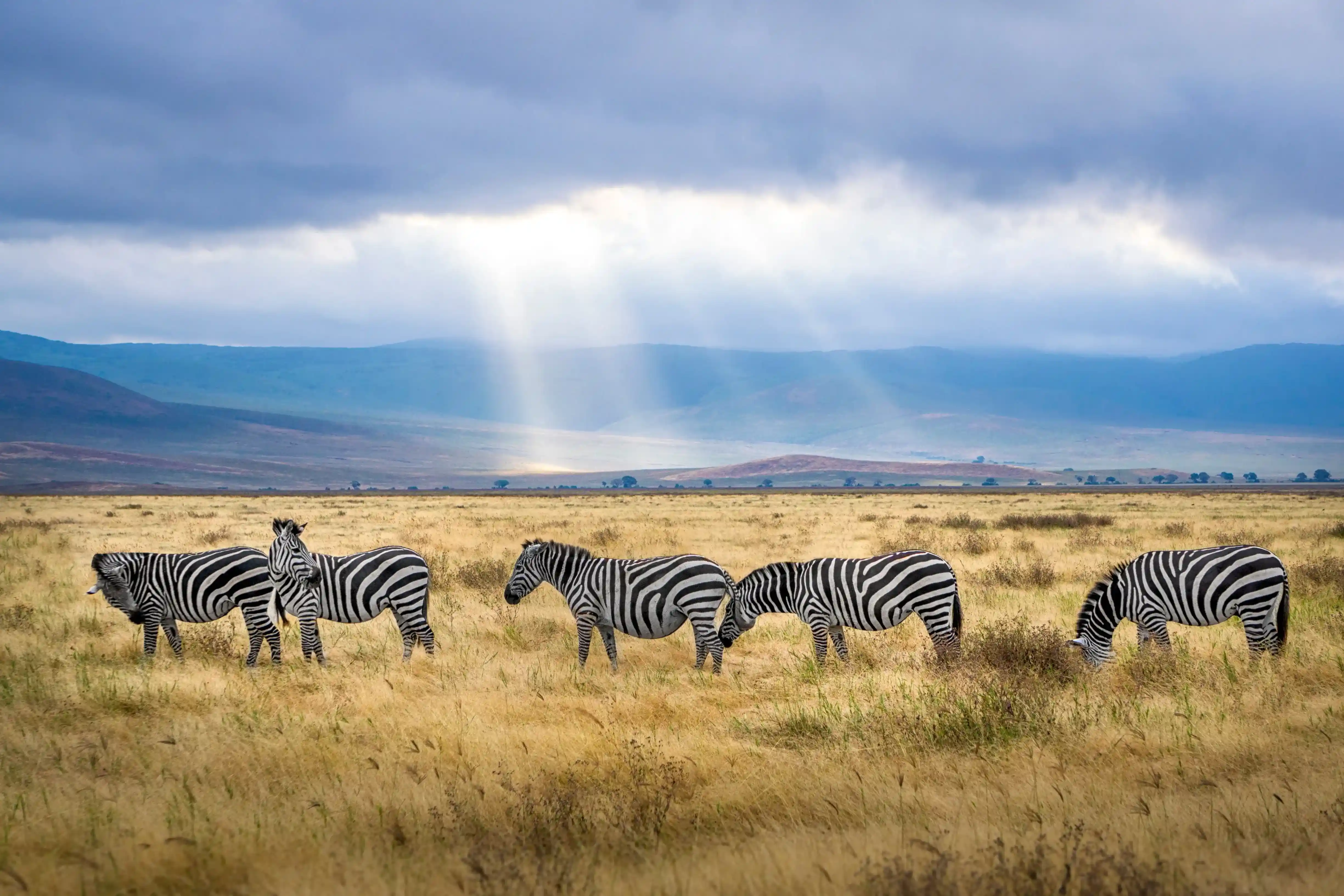
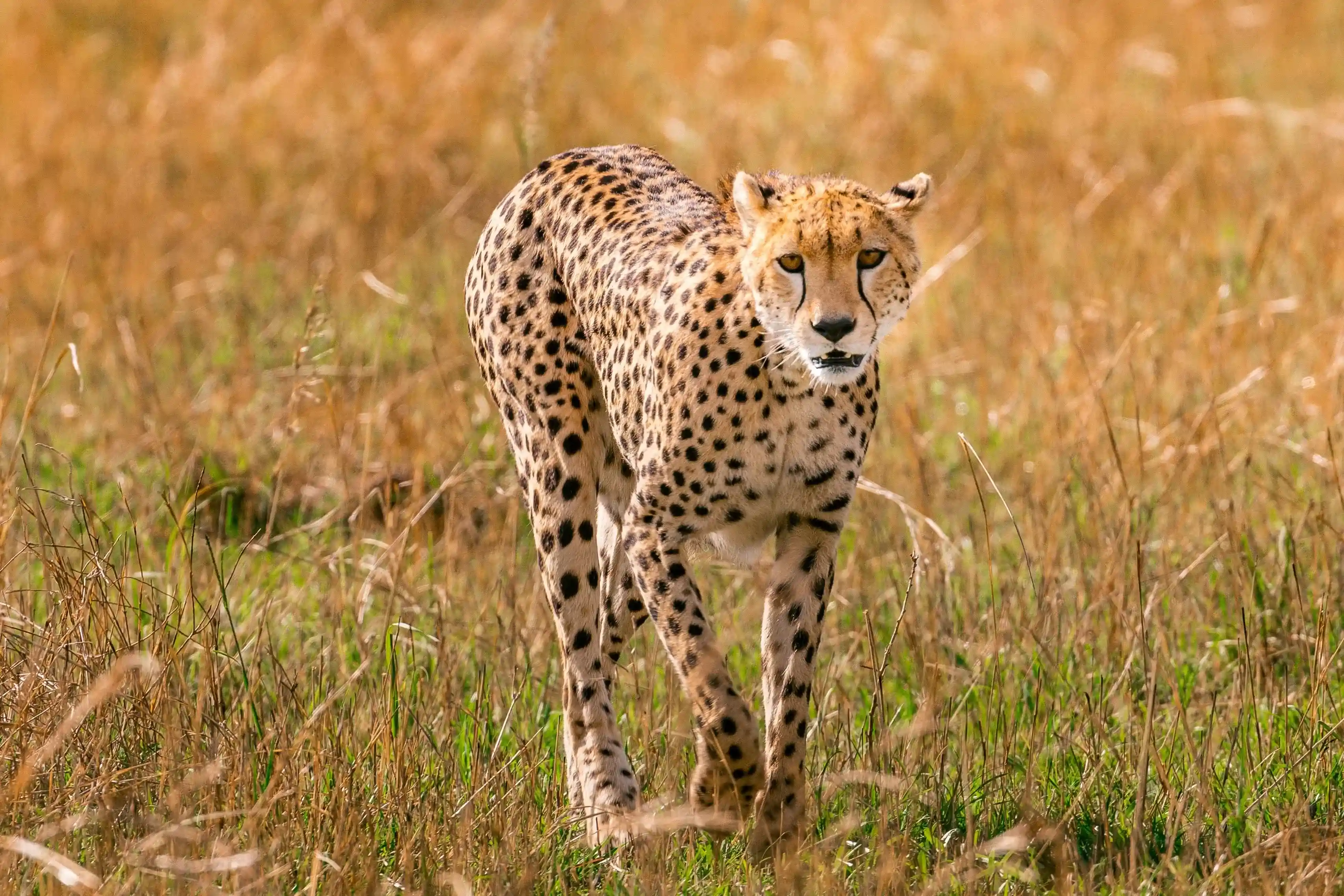
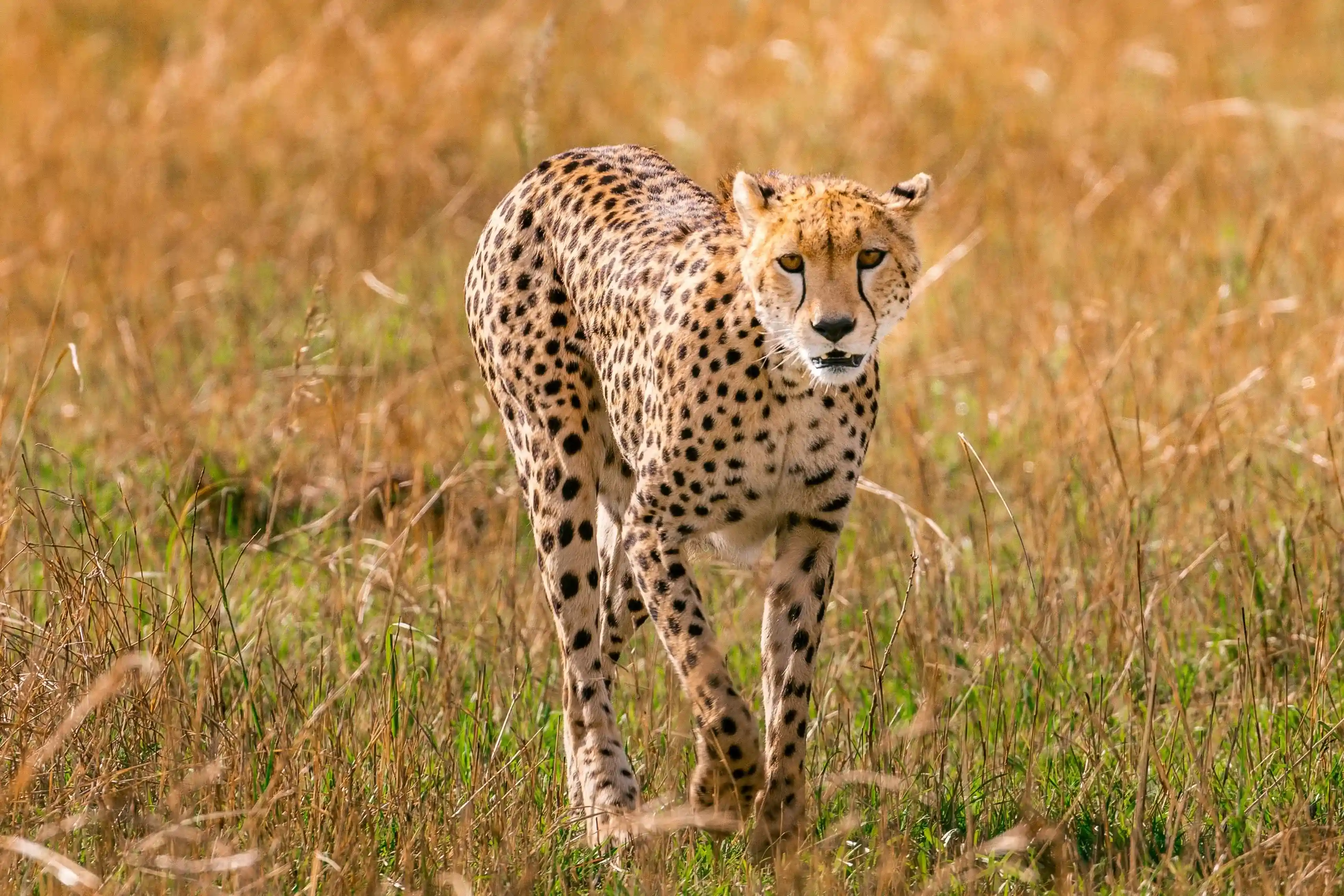
Zebra typically move a few weeks ahead of the main wildebeest herds, and predators — lion, hyena, cheetah, and crocodile — effectively migrate with the herd too, since it is their primary food source for most of the year.
The Migration Calendar, Month by Month
Because the migration is driven by rainfall, the calendar below is a guide rather than a guarantee — herds have been known to run a few weeks early or late depending on the season.
| Months | Location | What's Happening | Highlight |
|---|---|---|---|
| January – February | Ndutu & Southern Serengeti | Calving season | Excellent |
| March – April | Western Corridor | Herds march north chasing rain | Good |
| May – June | Grumeti River | Smaller crocodile crossings begin | Good |
| July – September | Northern Serengeti & Mara River | The big river crossings | ★ Peak |
| October – November | Eastern Serengeti | Return march south | Excellent |
| December | Southern Plains | Herds settle, calving begins again | Excellent |
The handful of camps positioned along the Mara River sell out earliest of anywhere in Tanzania. If a river crossing is the single thing on your bucket list, lock in dates as far ahead as you can.
The River Crossings: Grumeti vs Mara
Tanzania actually has two crossing points, and they offer quite different experiences.
| Feature | Grumeti River | Mara River |
|---|---|---|
| Timing | May – June | July – September |
| Herd size at crossing | Smaller, scattered groups | Massive, thousands at once |
| Crocodile risk | Present, but river is narrower | Higher — wider, deeper, more crocodiles |
| Crowds of vehicles | Low | Can be high at popular crossing points |
| Predictability | Moderate | Low — herds can wait days before jumping in |
Neither crossing can be scheduled like a train timetable. Wildebeest are famously indecisive at the water's edge, sometimes building up in their thousands for several days before a single brave (or panicked) individual finally takes the plunge.
Where to Stay for Each Phase
- January – February (calving): Base yourself in the Ndutu area, on the border of the Serengeti and Ngorongoro Conservation Area — this is where the action is, not the central Serengeti.
- March – April: The Western Corridor and Central Serengeti (Seronera) are good bets as the herds move through.
- May – June: Western Serengeti, near the Grumeti River.
- July – September: Northern Serengeti, specifically camps near the Mara River — this region books out furthest in advance.
- October – December: Eastern and Southern Serengeti as the herd loops back toward Ndutu.
We recommend at least 3 nights in the northern Serengeti if a Mara crossing is your priority, rather than a quick one-night stop. Our guides communicate daily with other operators in the field to track herd movements in real time, which meaningfully improves your odds.
Photography & Viewing Tips
- Position matters more than gear. Vehicles that arrive early and park downstream of a likely crossing point get the best, least-obstructed views.
- Bring a longer lens. A 200–400mm equivalent captures the drama of a crossing without needing to be uncomfortably close.
- Pack patience. Some of the best crossings come after a four-hour wait. Snacks, water, and a wide-brimmed hat go a long way.
- Morning light is gentler for the dust and chaos of a crossing, but afternoon crossings happen just as often.
Common Questions, Answered
Is seeing a river crossing guaranteed?
No safari operator, however experienced, can guarantee a crossing on any single day — it is a wild, weather-driven event. Allocating several days in the right area is the best way to maximise your odds.
Kenya or Tanzania for the migration?
Both countries see the migration during the Mara River crossing months, since the river forms the border. Tanzania tends to have lower vehicle density and covers the calving season exclusively, since calving happens entirely within Tanzania's borders.
Is it safe to watch from the vehicle?
Yes. Crossings are watched from a respectful distance under your guide's direction, and reputable operators follow strict guidelines around vehicle numbers and positioning at known crossing points.