What Makes Ngorongoro Different
Ngorongoro is the world's largest intact, unfilled volcanic caldera — roughly 19 kilometres across — formed when a volcano estimated to have once rivalled Kilimanjaro in size collapsed in on itself around 2–3 million years ago.
Because the crater walls are so steep and continuous, most of its wildlife stays put year-round rather than migrating — making it one of the most reliable places in Africa to see large numbers of animals in a single day, regardless of season.
Wildlife: What You'll Actually See
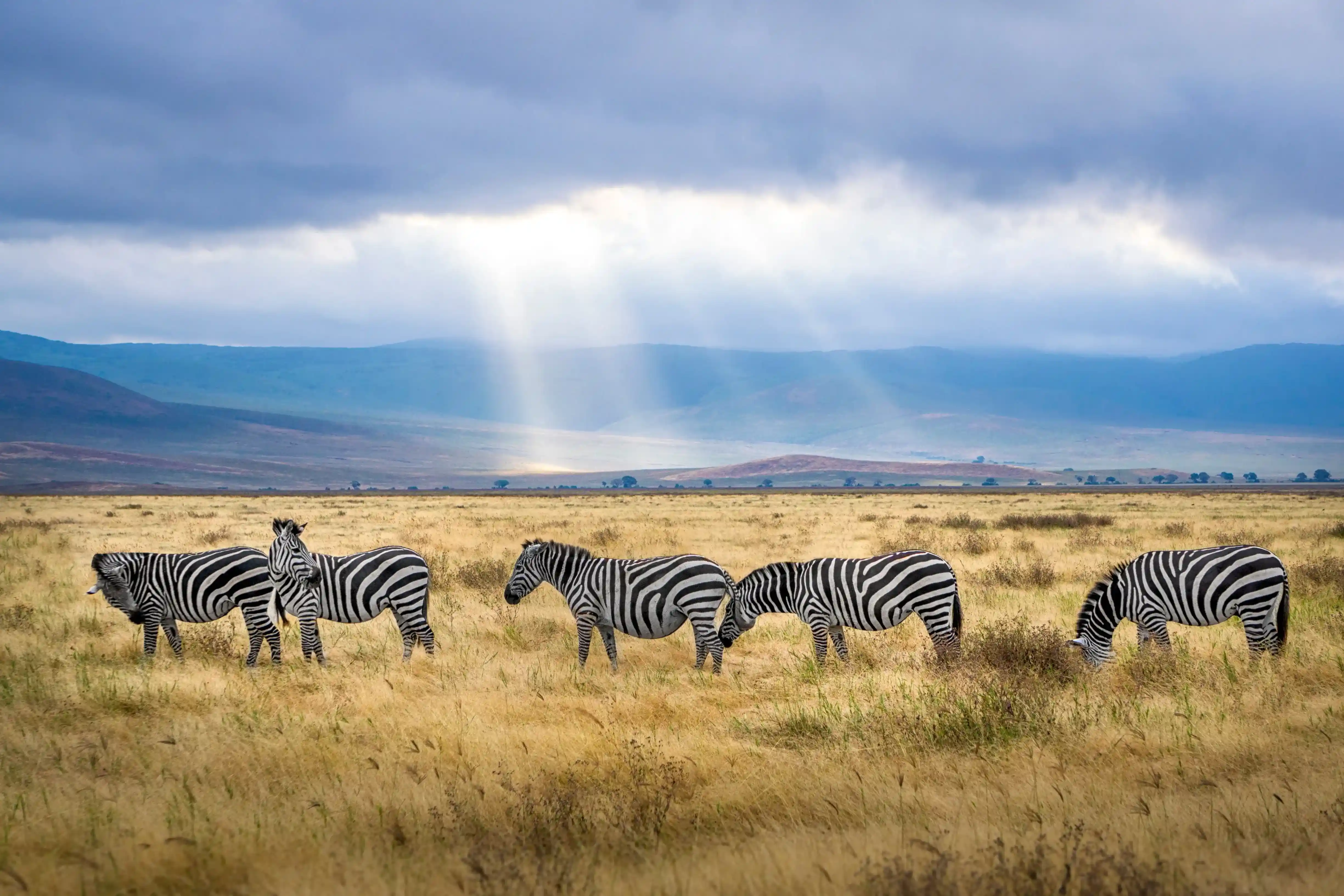
The compact size and habitat diversity (grassland, swamp, forest, and a soda lake) packs an outsized concentration of wildlife into a small area.
| Species | Likelihood | Best Spot |
|---|---|---|
| Lion | Very High | Open grassland, near the lake |
| Black rhino | Possible | Crater floor margins |
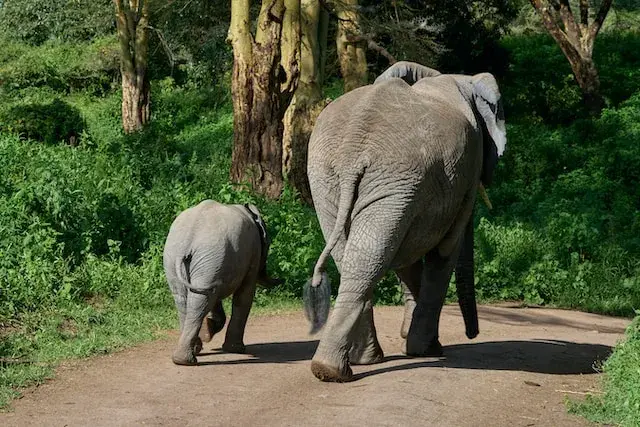
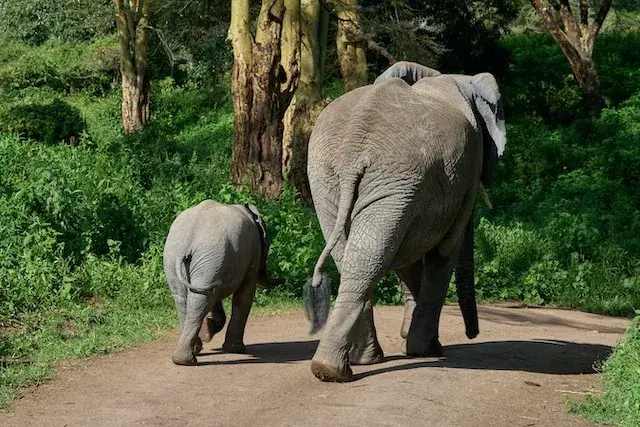
| Elephant (bulls) | High | Forested crater walls & floor |
| Hippo | High | Hippo pools, central floor |
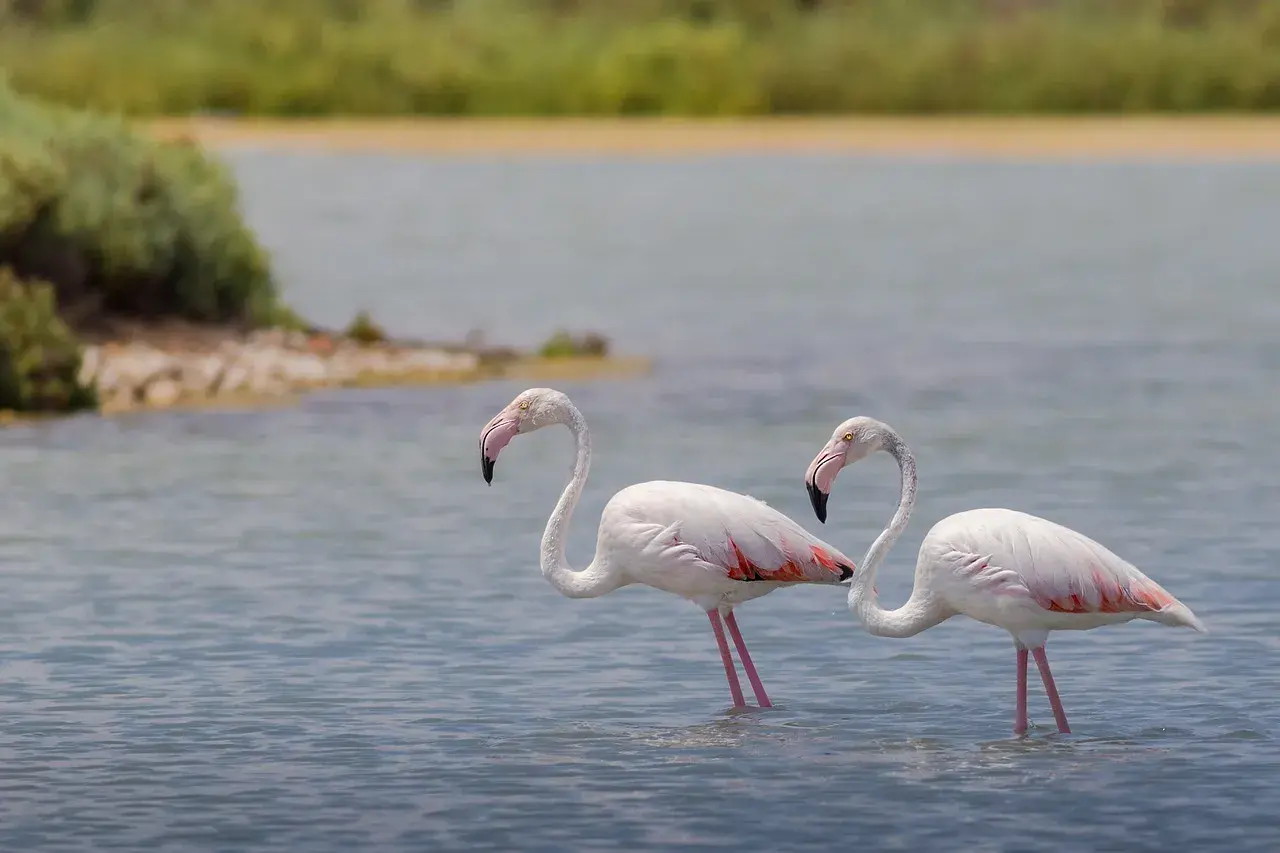
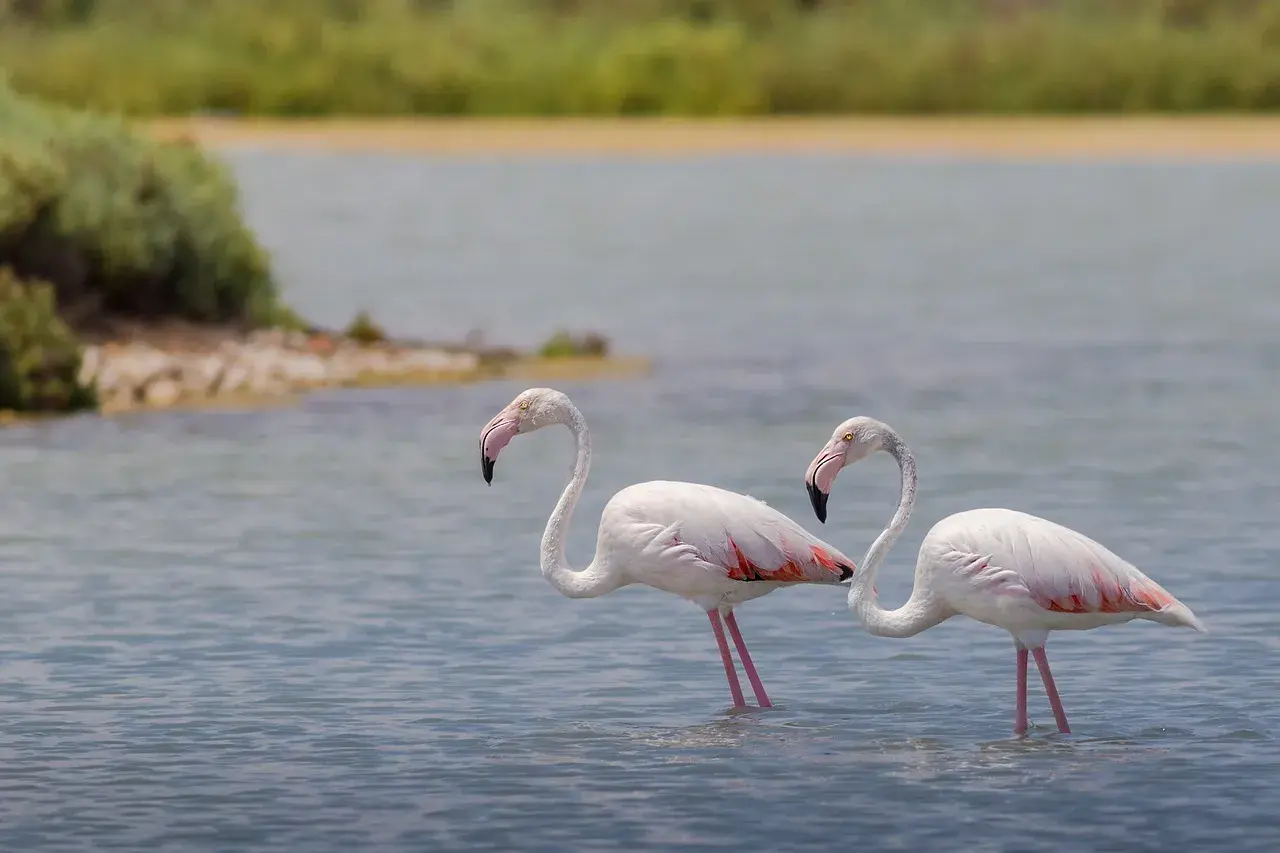
| Flamingo | Seasonal | Lake Magadi |
| Leopard | Low | Forested rim & Lerai Forest |
Ngorongoro is one of the very few places where seeing the Big Five (lion, leopard, elephant, buffalo, rhino) in a single day is genuinely achievable — though leopard sightings remain the least predictable of the five.
Best Time of Day & Year to Visit
Because the crater's ecosystem is self-contained, it is a worthwhile visit in any month — unlike much of the rest of Tanzania, where the calendar matters enormously.
- Time of day: Arrive at the gate as it opens (around 6–7am) to beat both the heat and the crowds, and to catch predators that are still active from the cool of the night.
- Time of year: The dry season (June–September) offers the clearest skies and easiest driving conditions, but wildlife viewing remains good year-round.
Predator activity on the crater floor is highest in the first two hours after sunrise. Camps on the rim have a real logistical advantage here over those based further out, since the descent road takes time.
Where to Stay: Crater Rim vs Outside the Gate
- On the rim: Unbeatable views, quick access to the descent road for early game drives, but noticeably colder at night (the rim sits above 2,200m) and generally pricier.
- Outside the gate (Karatu town area): More budget-friendly, warmer, and still only 30–45 minutes from the gate, at the cost of a longer commute each morning.
You cannot stay overnight inside the crater itself — all accommodation sits either on the rim or outside the conservation area.
Permits, Fees & Logistics
- Conservation fees are charged per person per day and a separate crater service fee applies for vehicles descending to the floor — your operator will build these into your quote.
- Descent and ascent roads are one-way and can back up with traffic during peak season, especially around mid-morning.
- Time on the crater floor is limited (typically up to six hours), so most visitors treat it as a focused half-day or full-day excursion rather than an open-ended game drive.
- A 4x4 vehicle and a licensed guide are required — independent self-drive visits are not permitted on the crater floor.
Insider Tips for Your Visit
- Pack warm layers. Mornings on the rim can be genuinely cold, even though the crater floor warms up quickly once the sun is up.
- Bring binoculars. Distances on the open floor are deceptively large, and a good pair pays for itself many times over.
- Eat at the designated picnic spots only. Black kites are notorious for swooping in and stealing food straight out of visitors' hands elsewhere on the crater floor.
- Build in buffer time for the ascent, particularly if you have a flight or a long drive afterward — the exit road queue can be unpredictable.