8-Day Tarangire, Serengeti, Ngorongoro & Lake Manyara Safari
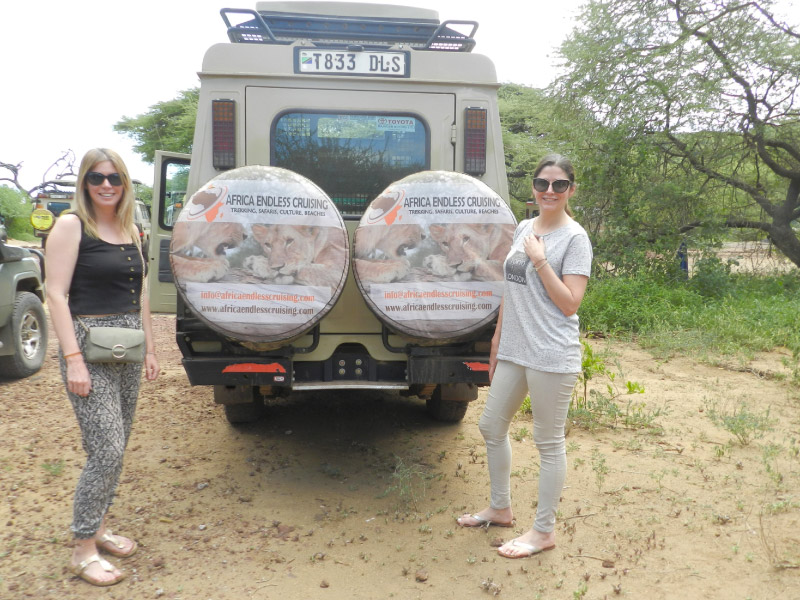
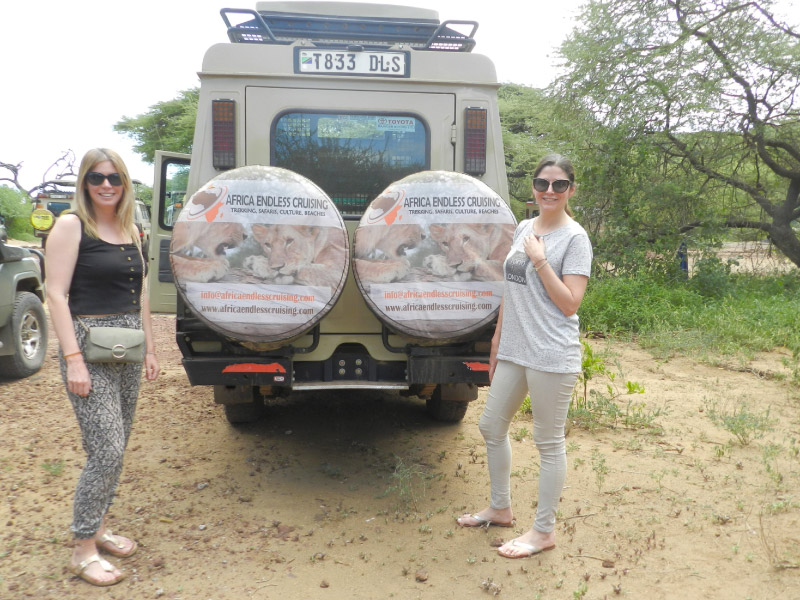
This 8-day safari is Tanzania's complete northern circuit — four legendary parks, seven nights in the bush, and the kind of unhurried immersion that transforms a holiday into a life-changing journey. The route visits every great ecosystem on Tanzania's northern circuit in a single, seamlessly connected loop, each park offering a distinctly different wildlife experience that builds on the last.
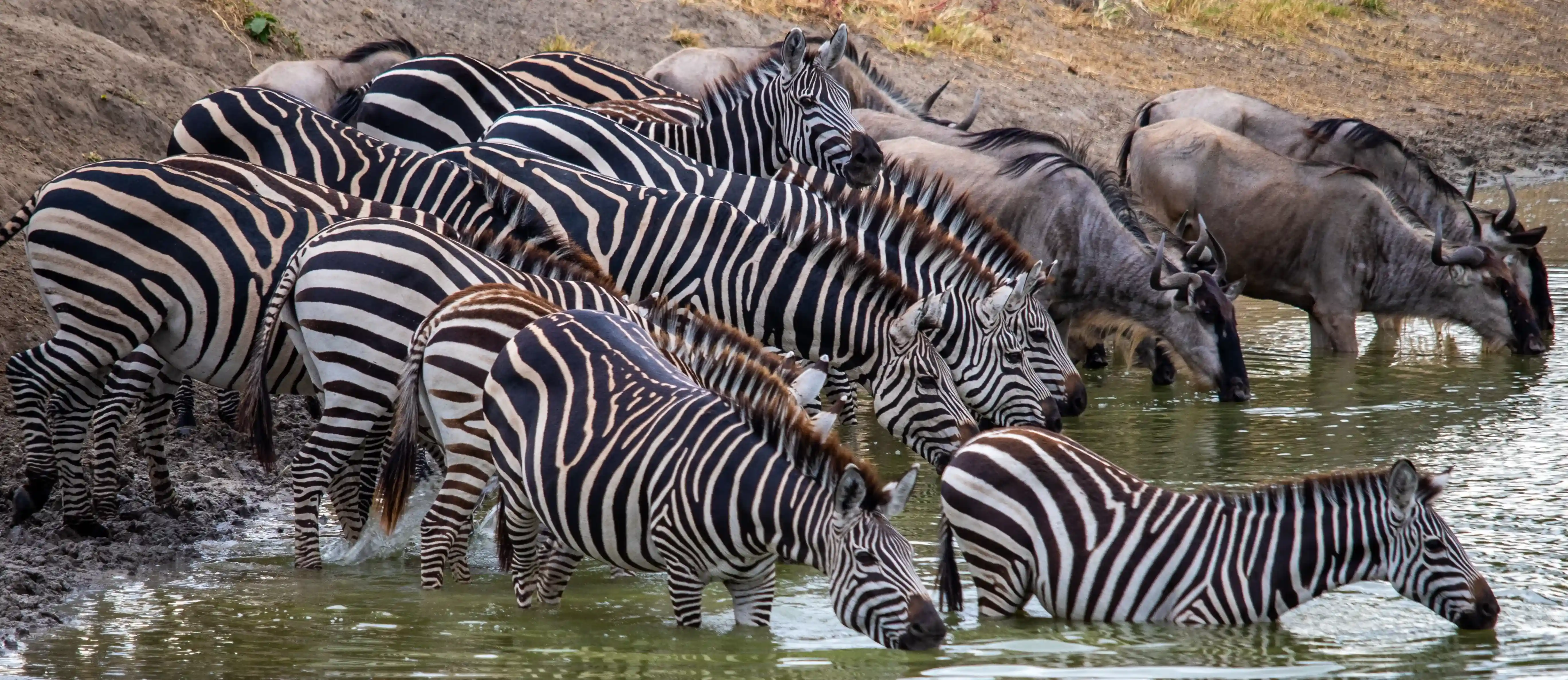
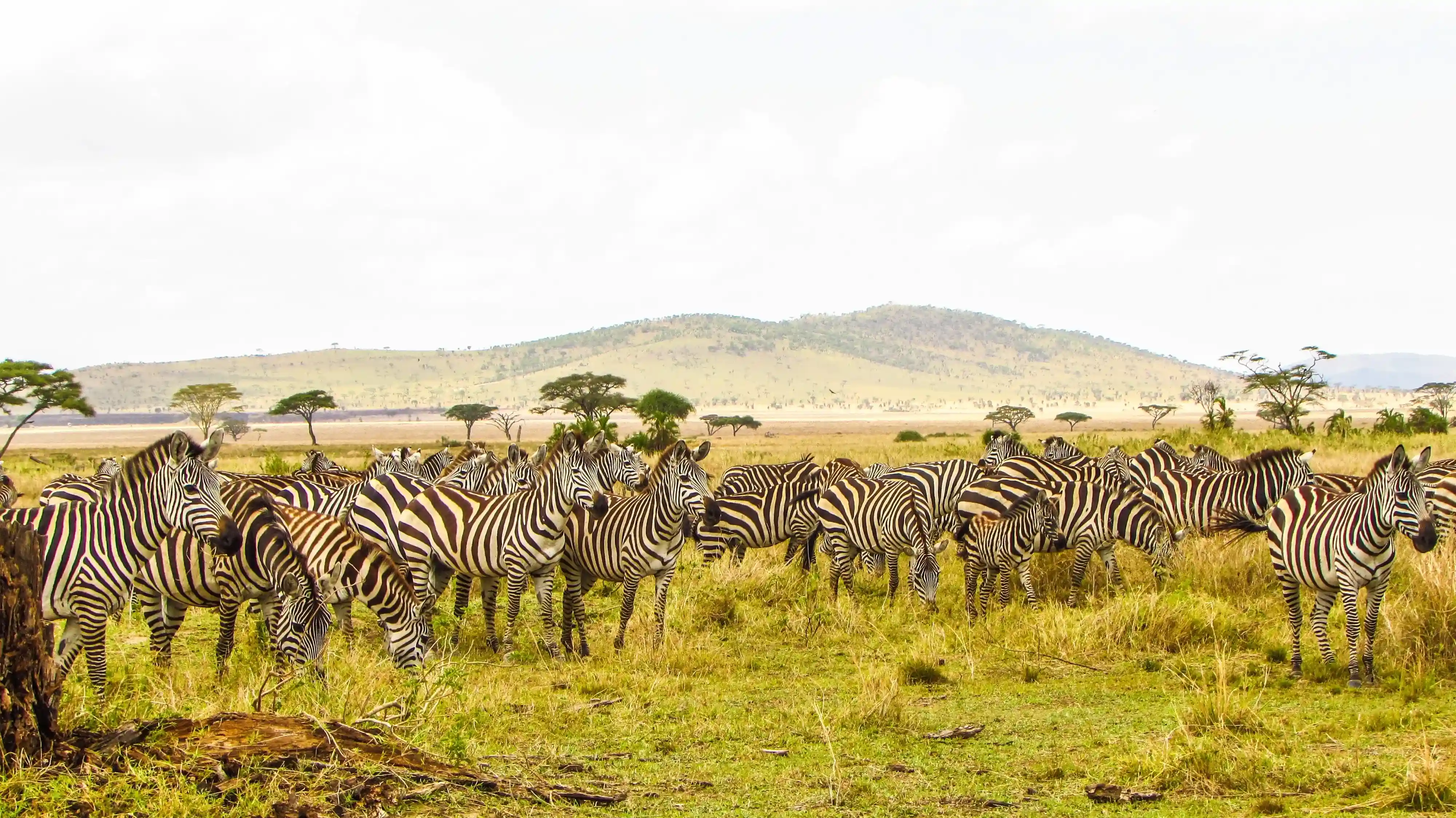
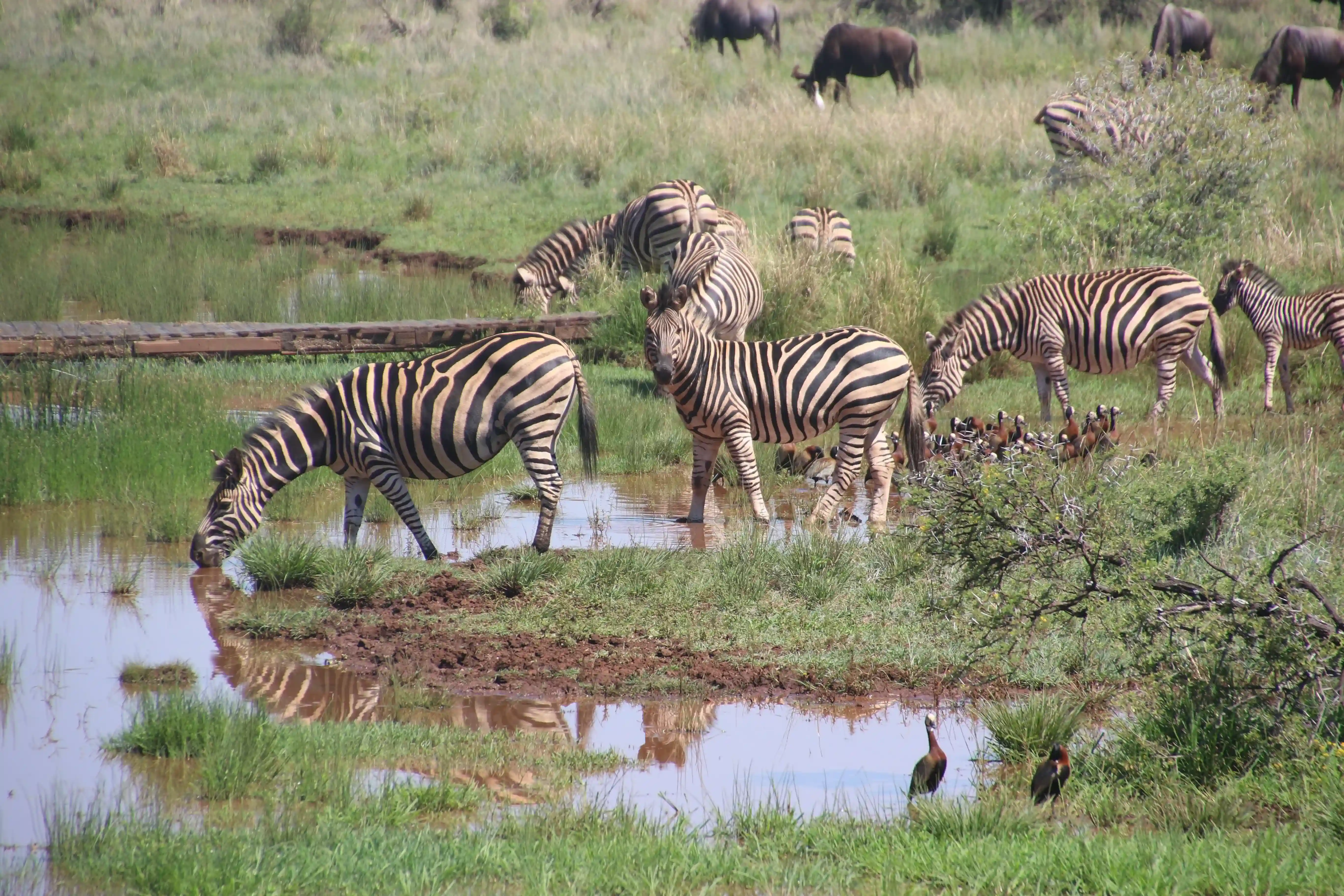
It begins in Tarangire National Park, where ancient baobab trees shade the largest elephant herds in East Africa. From Tarangire you travel north into the vast golden plains of the Serengeti, where three full days let you truly live alongside the Great Migration — following the wildebeest and zebra herds, tracking lion prides day after day, and watching cheetah families grow familiar with your presence. The journey then ascends to the rim of the Ngorongoro Crater, the world's largest intact volcanic caldera, before a full-day descent into this extraordinary wildlife arena where the rare black rhino roams.
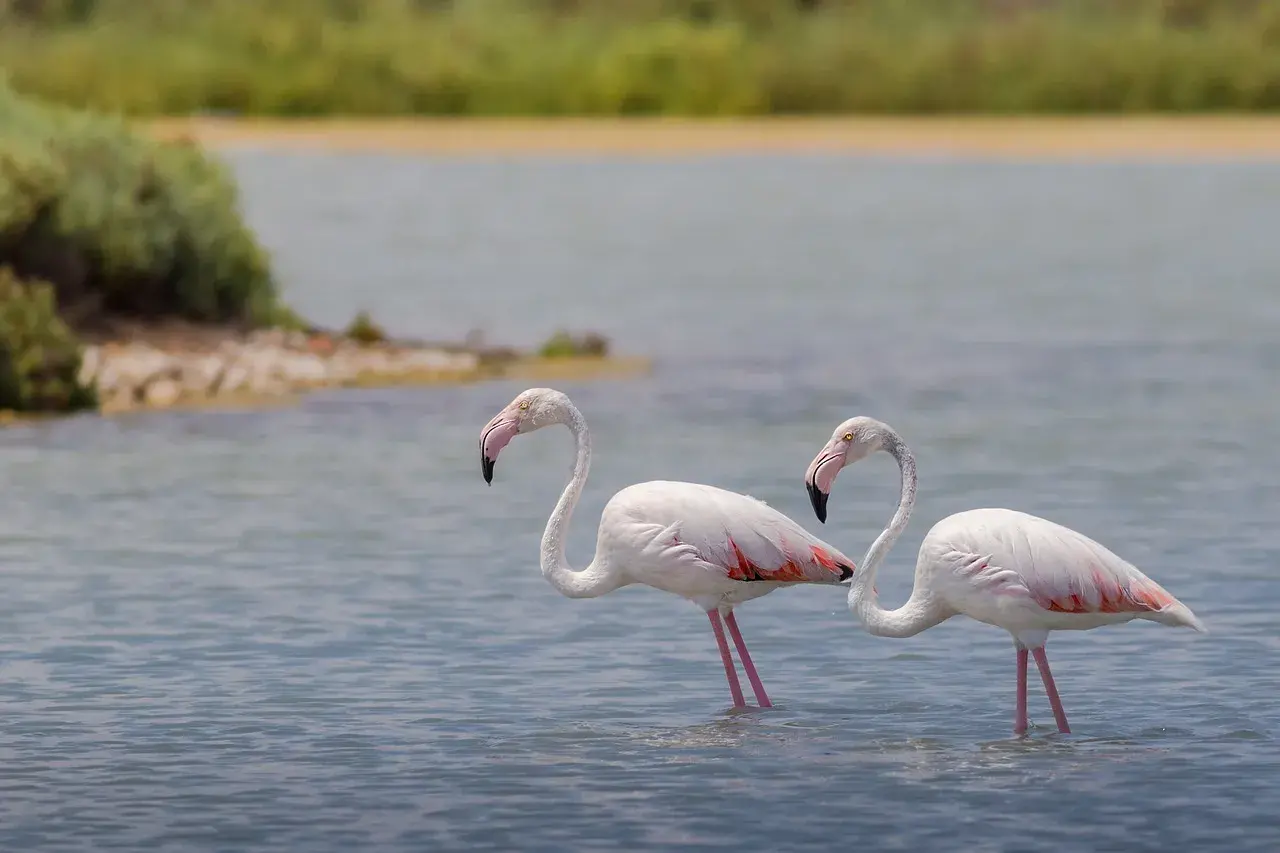
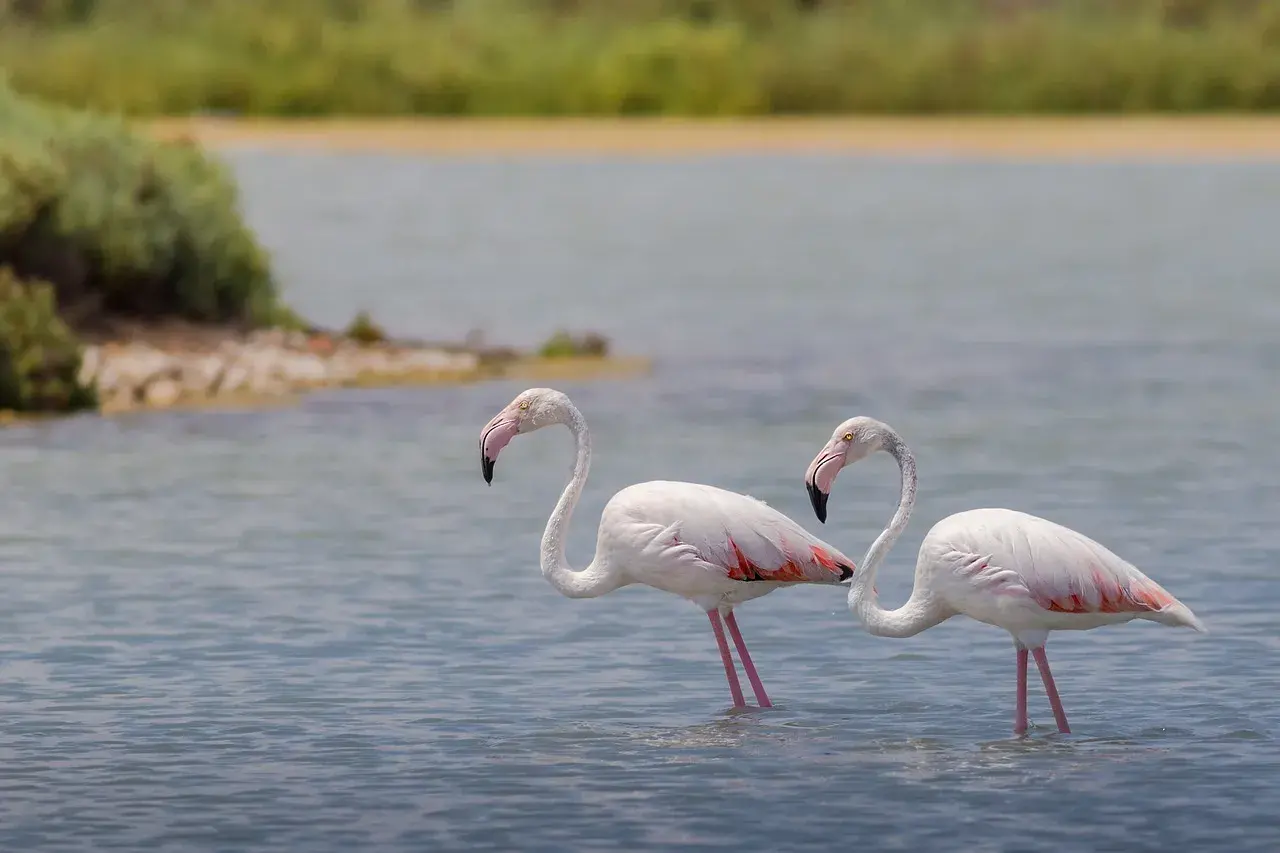
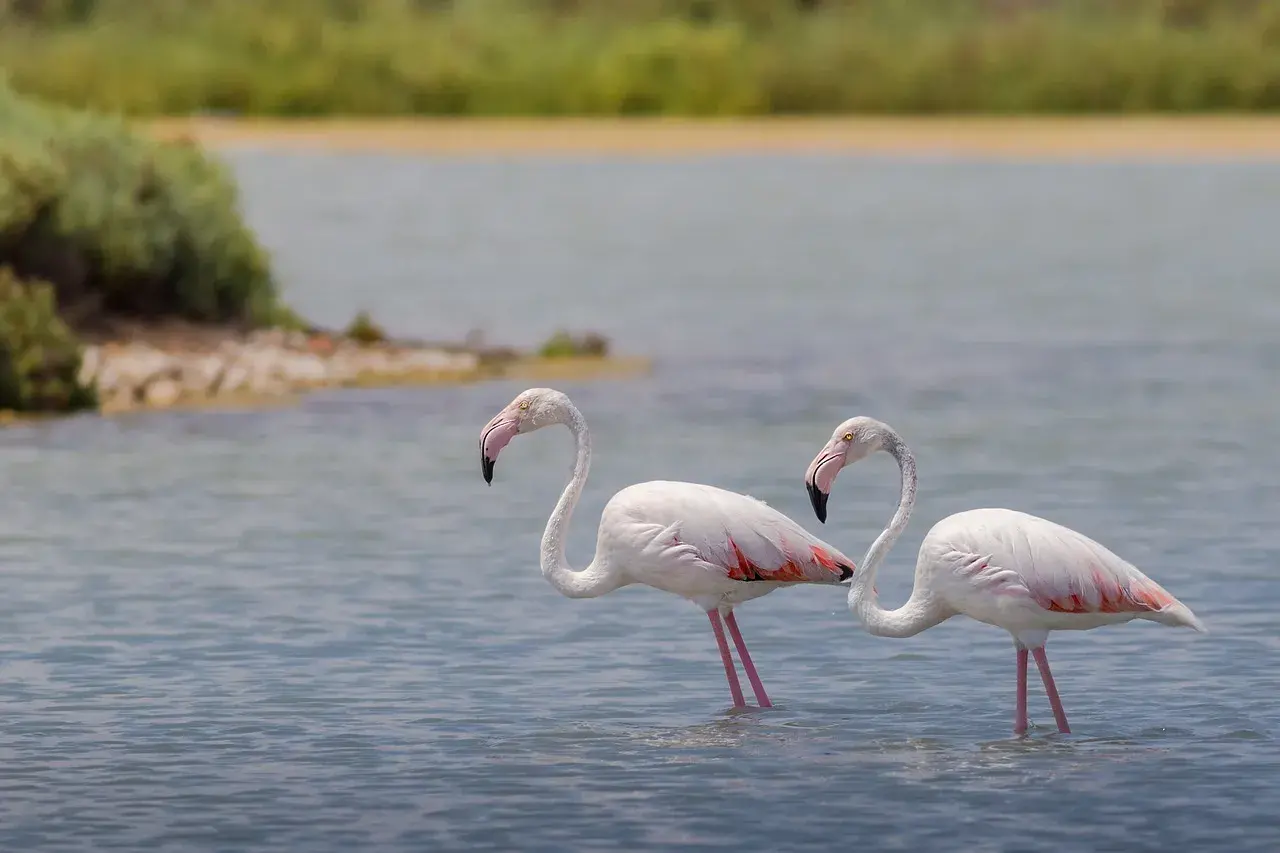
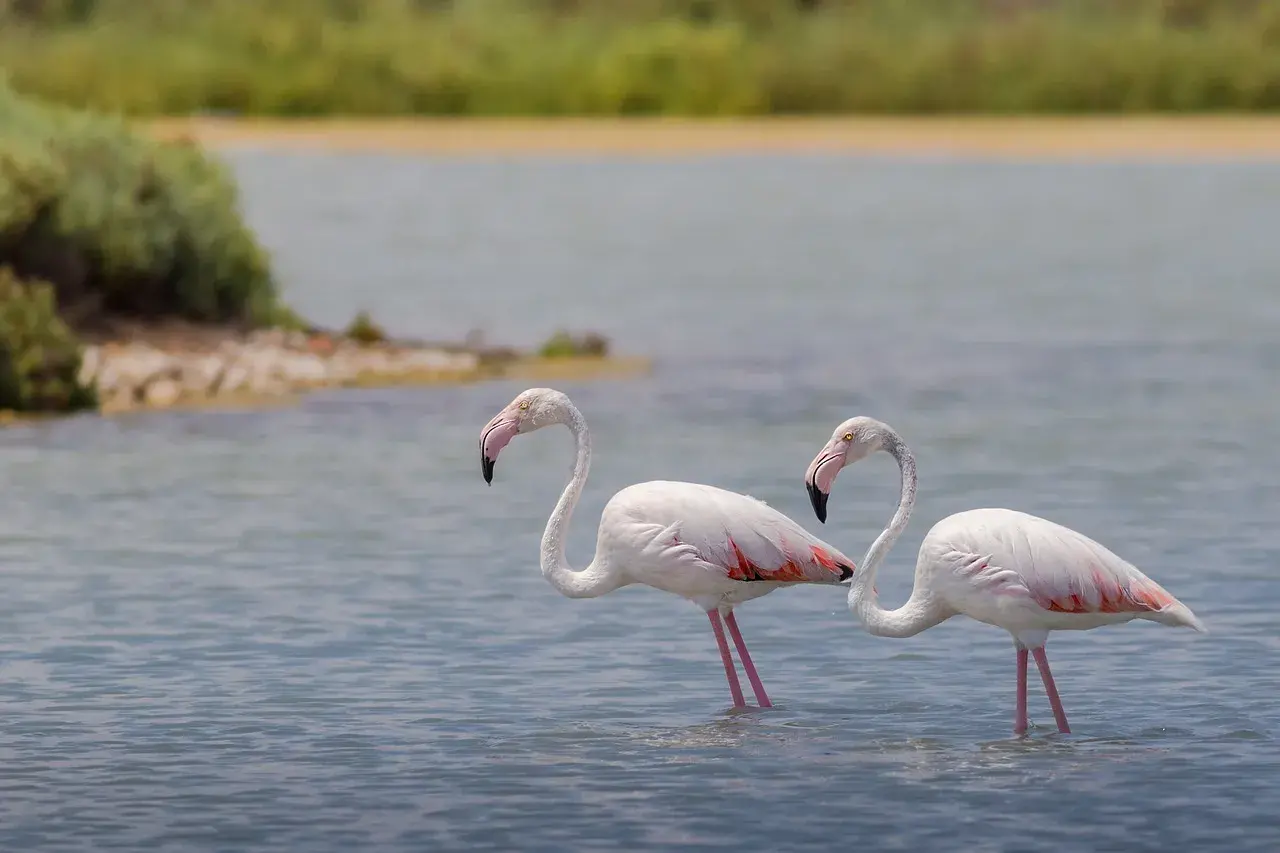
The final chapter brings you to Lake Manyara National Park — the legendary home of the tree-climbing lions, where a dense groundwater forest meets the alkaline lake shore and thousands of flamingos paint the shallows pink. It is a breathtaking final flourish to the most comprehensive single-loop safari in Tanzania.
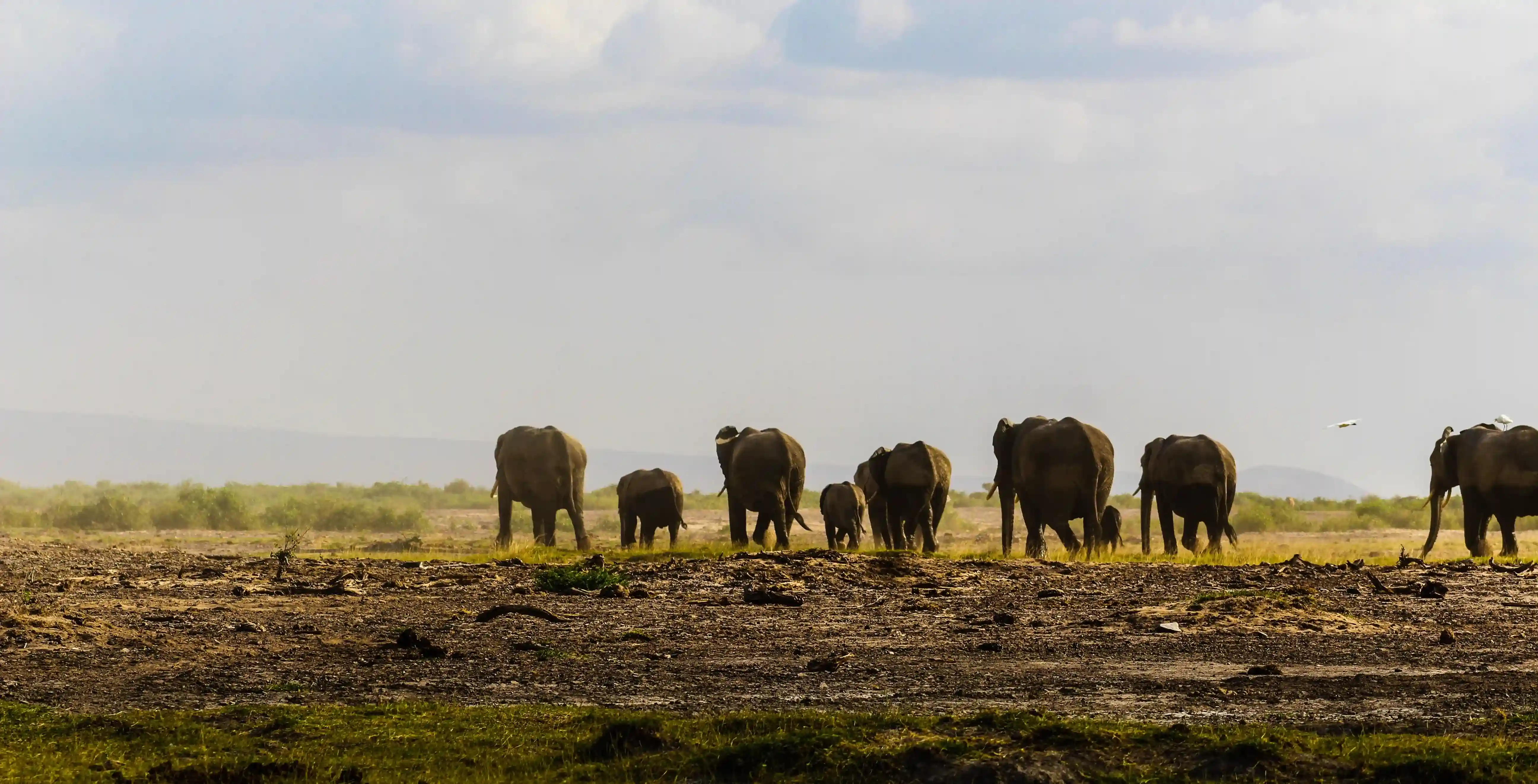
Tarangire hosts Africa's largest elephant congregations outside Botswana — hundreds strong, moving in family units through ancient baobab-studded woodland and along the life-giving Tarangire River. Two full days give you the best possible chance of witnessing multiple herds interacting at close range.
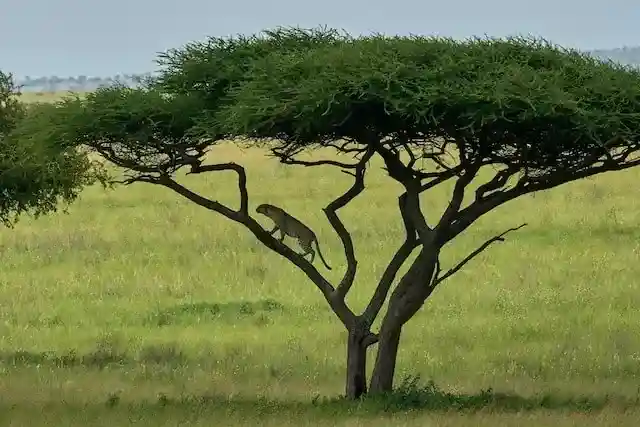
Three full days means your guide can truly track the animals — positioning you for the best lion sightings each morning, following the migration herds as they move across the plains, and getting you to a leopard's tree before sunrise. Time is the most valuable resource on a safari, and in the Serengeti, three days transforms good sightings into extraordinary ones.
With two nights on the crater rim, you descend early and stay all day — no race against the clock, no rushed lunch. The black rhino is best found late morning; the lions hunt at dawn; the flamingos glow at midday. A full day inside this ancient caldera is the safari experience that travellers remember above all others.
Lake Manyara is Tanzania's most underrated park — a narrow strip of groundwater forest, acacia woodland, and alkaline lakeshore compressed against the Great Rift Valley wall. The tree-climbing lions of Manyara are famous worldwide; the birdlife is among Africa's richest; and the flamingos that line the shore make for one of the continent's most painterly wildlife scenes.
Is this tour right for me?
Tour Seasons & Pricing
| Season | 1 Person | 2 Persons | 3 Persons | 4 Persons | 5 Persons | 6+ |
|---|---|---|---|---|---|---|
| Low Season Jan–Mar / Nov–Dec | $2,590 | $1,990 | $1,820 | $1,690 | $1,610 | On Request |
| Shoulder Season Apr–May / Oct | $2,990 | $2,310 | $2,120 | $1,970 | $1,880 | On Request |
| Peak Season Jun–Sep / 20 Dec–10 Jan | $3,590 | $2,790 | $2,570 | $2,400 | $2,290 | On Request |
* Prices per person in USD. Included: accommodation, game drives, park fees, full-board meals, airport transfers.
| Season | 1 Person | 2 Persons | 3 Persons | 4 Persons | 5 Persons | 6+ |
|---|---|---|---|---|---|---|
| Low Season | $3,590 | $2,790 | $2,570 | $2,400 | $2,290 | On Request |
| Shoulder Season | $4,190 | $3,290 | $3,040 | $2,840 | $2,710 | On Request |
| Peak Season | $5,090 | $4,040 | $3,740 | $3,500 | $3,340 | On Request |
| Season | 1 Person | 2 Persons | 3 Persons | 4 Persons | 5 Persons | 6+ |
|---|---|---|---|---|---|---|
| Low Season | $6,190 | $4,990 | $4,620 | $4,340 | $4,140 | On Request |
| Shoulder Season | $7,190 | $5,790 | $5,370 | $5,040 | $4,810 | On Request |
| Peak Season | $8,690 | $7,040 | $6,540 | $6,140 | $5,870 | On Request |
Day-by-Day Itinerary
Your safari begins the moment you land at Kilimanjaro International Airport (JRO). A Africa Endless Cruising representative will be waiting just beyond customs, a private transfer whisking you directly to your waiting Land Cruiser — stocked with cold drinks and a briefing pack for the journey ahead. After a short stop in Arusha for breakfast and any final essentials, you head south-east into the Maasai steppe toward one of Tanzania's most rewarding wilderness areas.
The drive to Tarangire unfolds through open acacia savanna dotted with Maasai bomas, the red dust of the plateau stretching wide in every direction. At the park boundary, the baobab trees begin — ancient, enormous sentinels that have stood here for a thousand years or more, their grotesque silhouettes rising against the sky like something from a prehistoric world. You feel, almost immediately, that you have arrived somewhere truly different.
Your arrival game drive follows the Tarangire River corridor southward. This permanent water source draws animals from hundreds of kilometres during the dry season — elephant families of thirty or more move in long processions to the water's edge, lions rest in the shade of sausage trees, and hundreds of impala scatter through the riverine bush. As the afternoon light turns golden, you settle into camp for your first sundowner and campfire beneath an immense African sky.
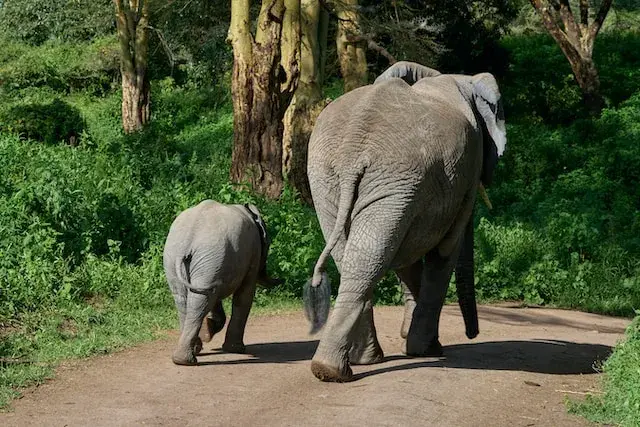
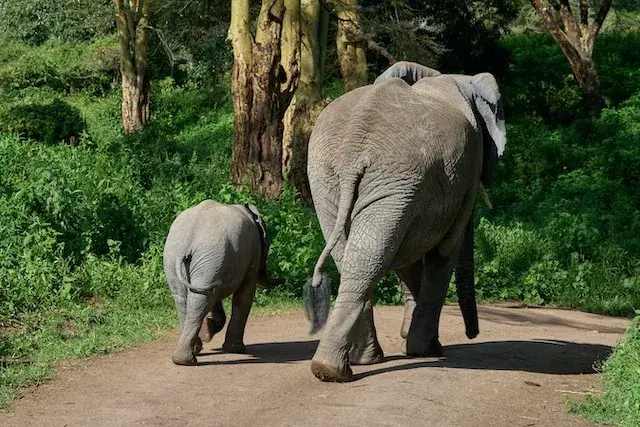
Before first light, the Land Cruiser is already moving — the baobabs standing as dark monoliths against a sky shifting from deep violet to pale rose. This early hour in Tarangire belongs to the elephants: families in long single-file processions moving through the bush toward water, matriarchs leading with purposeful calm while the calves stumble and scramble to keep pace. It is an intimate, unhurried wildlife experience quite unlike the Serengeti — fewer vehicles, more space, longer encounters.
Your guide leads you south into the park's interior — through dense riverine forest along the Tarangire River where leopards hunt at dawn, out across the open Silale and Gursi swamps where buffalo herds of several hundred congregate, and into the dry-country habitat that is home to Tarangire's unusual cast of rare species: the fringe-eared oryx, the slender gerenuk standing on hind legs to browse, and the magnificent greater kudu with its spiral horns. A bush picnic lunch is served in the shade of a giant fig tree beside the river.
The afternoon pushes deeper into the swamplands, where the birdlife is extraordinary — bee-eaters flashing in luminous clouds, yellow-billed storks wading in the shallows, and the enormous ground hornbill striding through the grass with prehistoric gravity. As the light softens amber and the baobabs glow in the last hour of sun, you return to camp for an evening of campfire stories, a hot shower, and a dinner served under a sky bristling with stars.
An early morning game drive through Tarangire — your guide tracking whichever sighting was most promising the evening before — before you pack up and set off north through the dramatic Rift Valley landscape toward the Serengeti. The route climbs through the lush Lake Manyara highlands, past banana and coffee plantations, and eventually up to the crater escarpment where the world opens up below you in one of Africa's most extraordinary panoramas: the vast valley floor, Lake Manyara shimmering in the distance, and the sky enormous overhead.
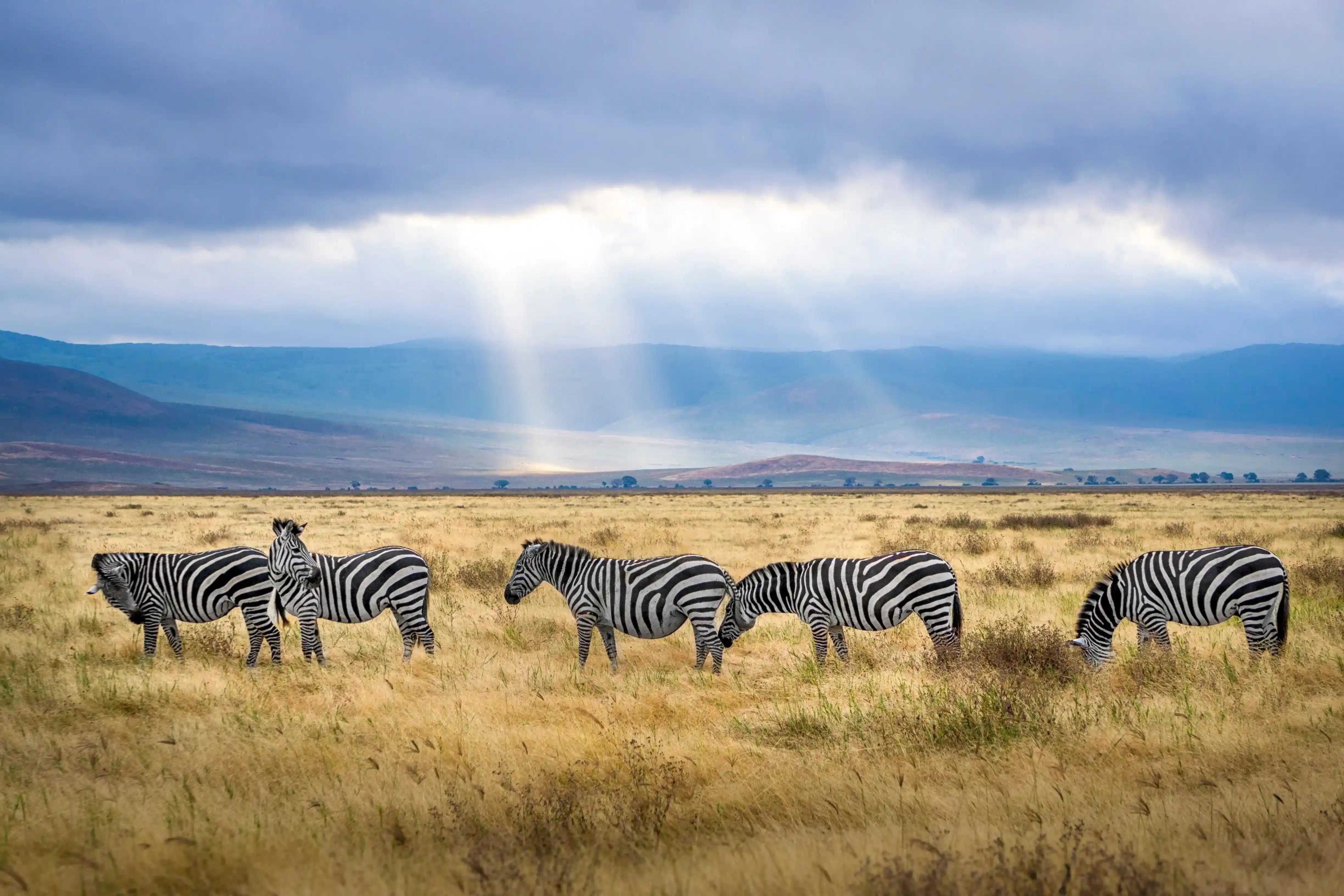
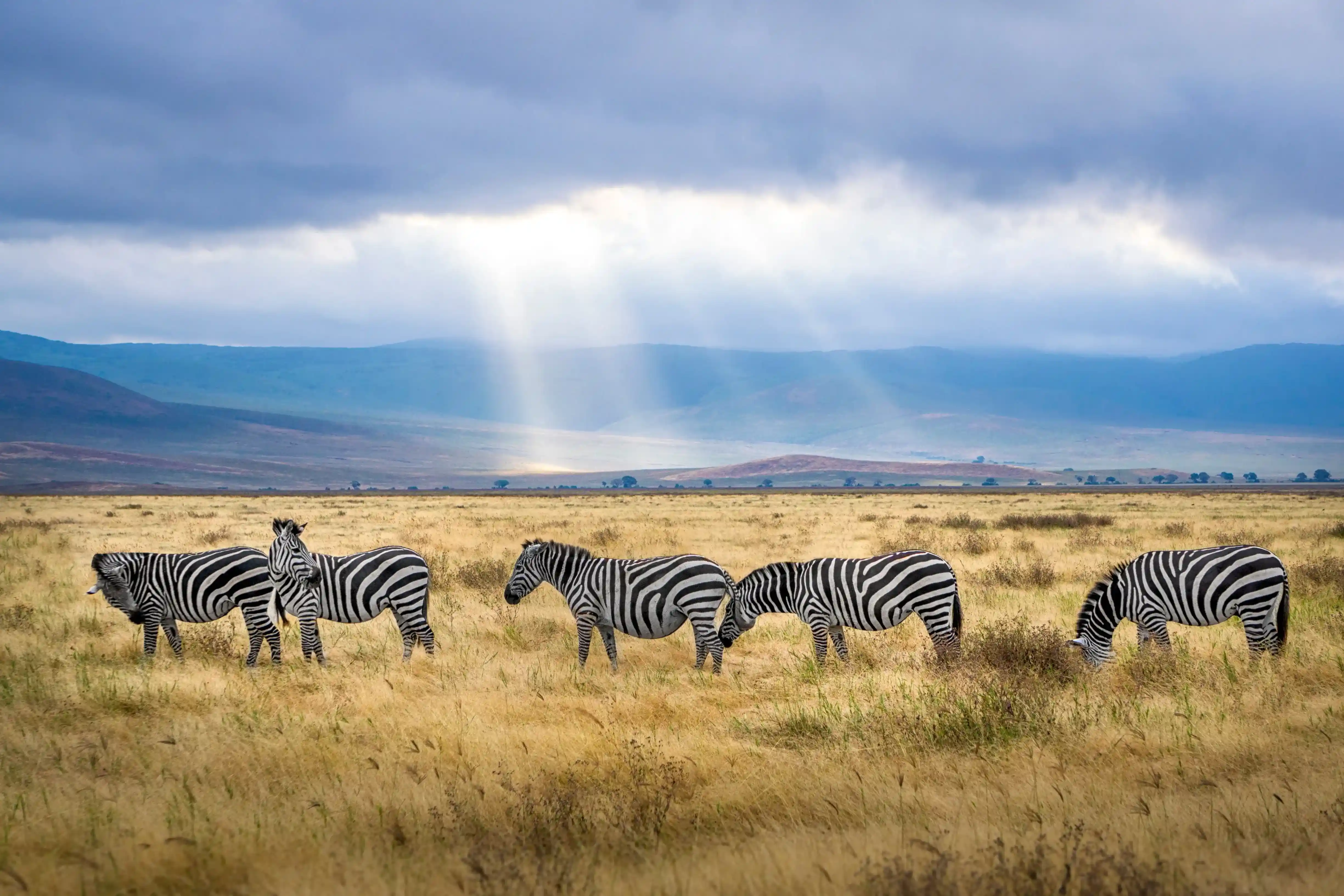
You cross through the Ngorongoro Conservation Area — a preview of what awaits later in the trip — where the high plateau grasslands are shared by Maasai cattle and herds of zebra and wildebeest that seem utterly unbothered by each other. After descending through Naabi Hill Gate, the Serengeti spreads before you in its full, staggering scale: an ocean of golden grass extending in every direction, broken by granite kopjes and the dark lines of migrating herds moving across the plain.
You arrive in the Seronera Valley with time for a thorough arrival game drive through the Serengeti's most wildlife-rich corridor. The Seronera River draws lions, leopards, and cheetahs year-round — your guide reads the landscape with practiced ease, finding the big cats that make this valley famous the world over. As the golden hour light turns the plains amber, you settle into your Serengeti camp to begin the three-night chapter of the trip you've been most looking forward to.
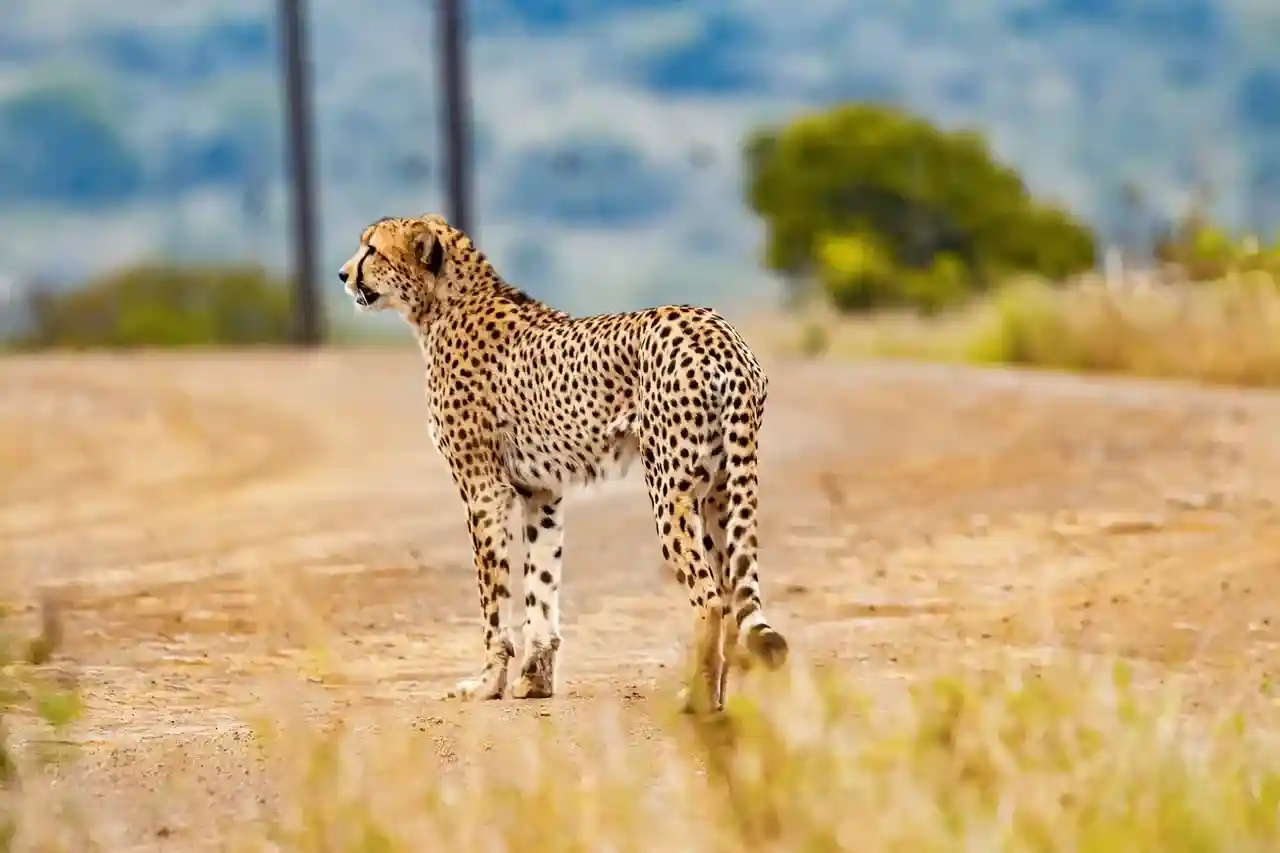
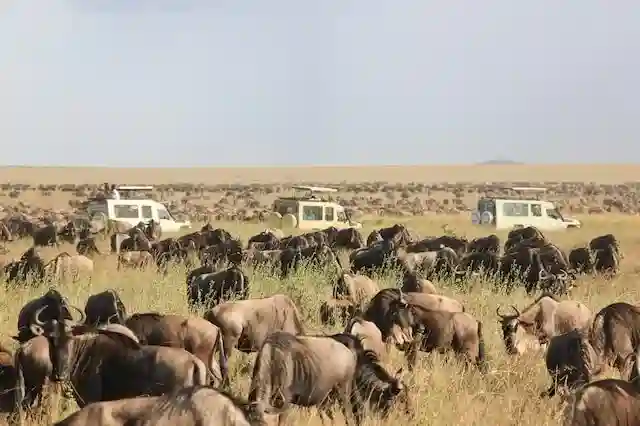
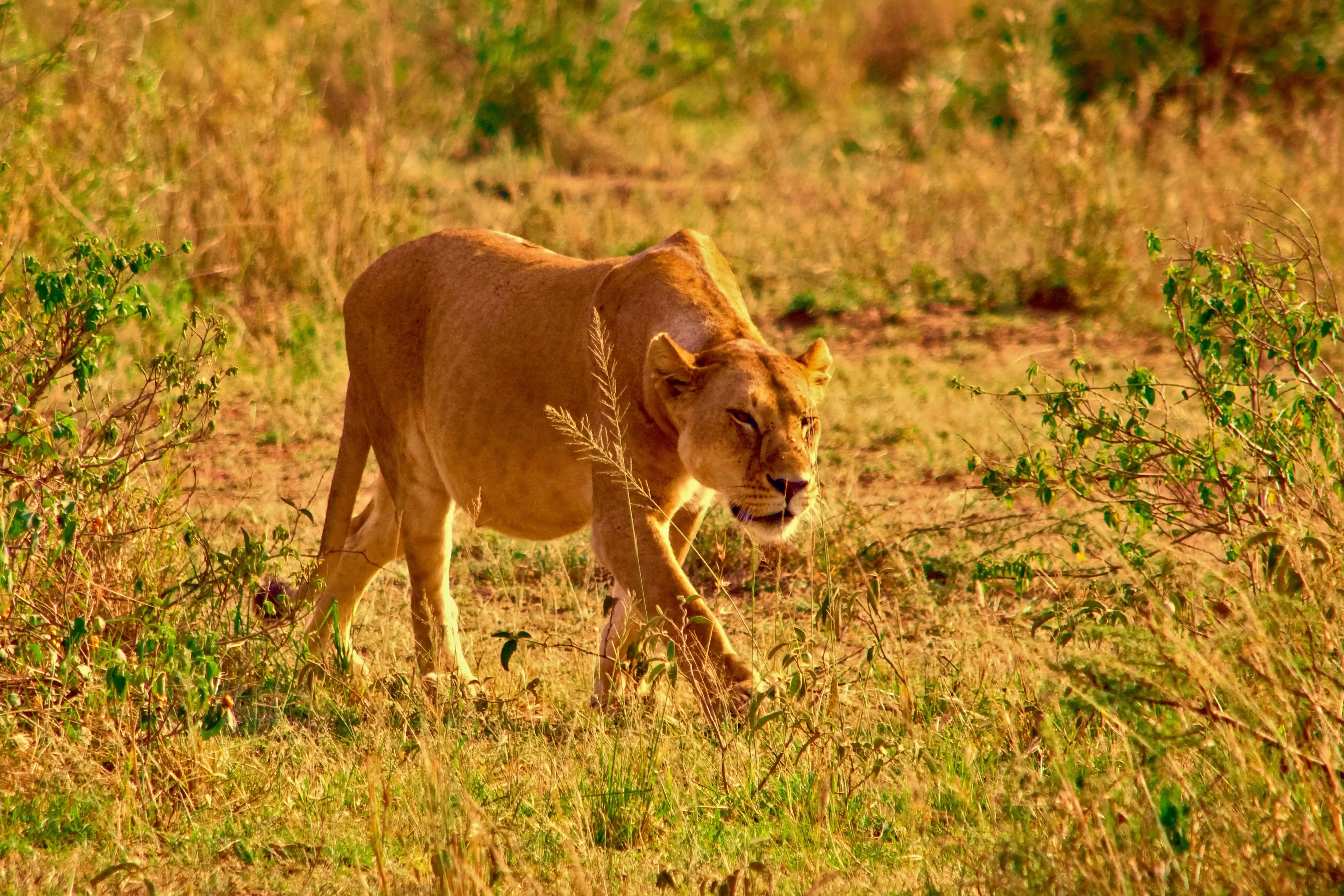
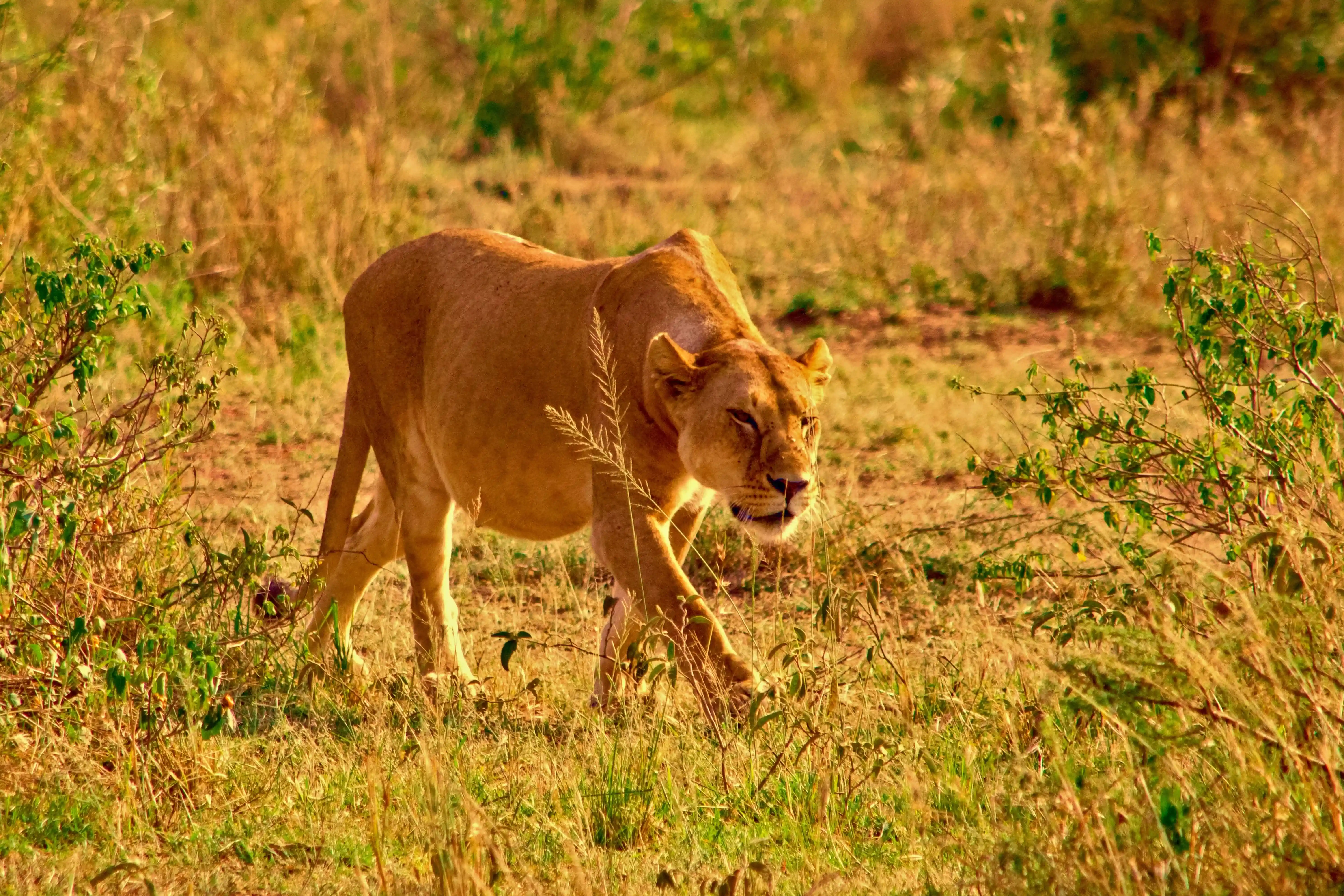
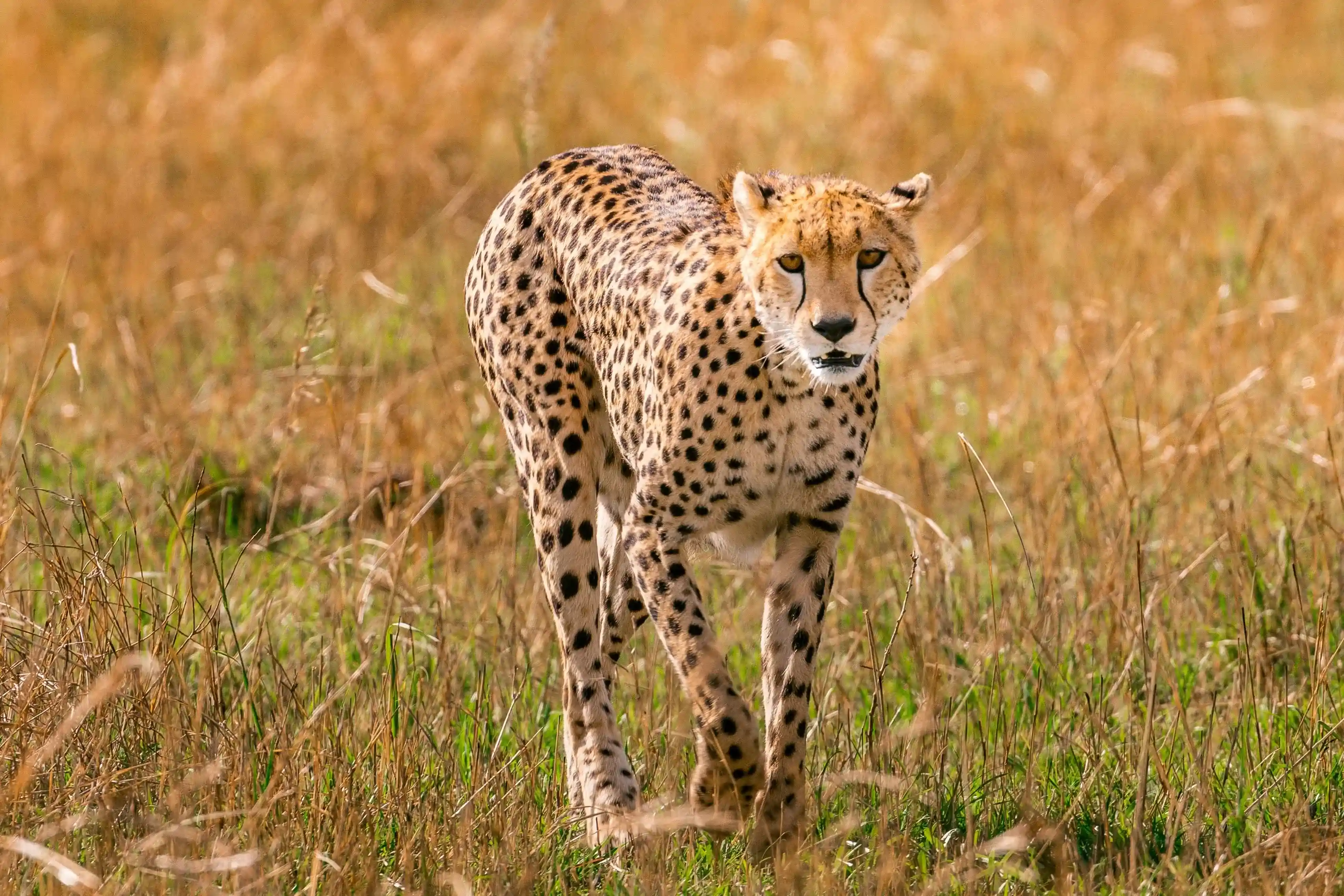
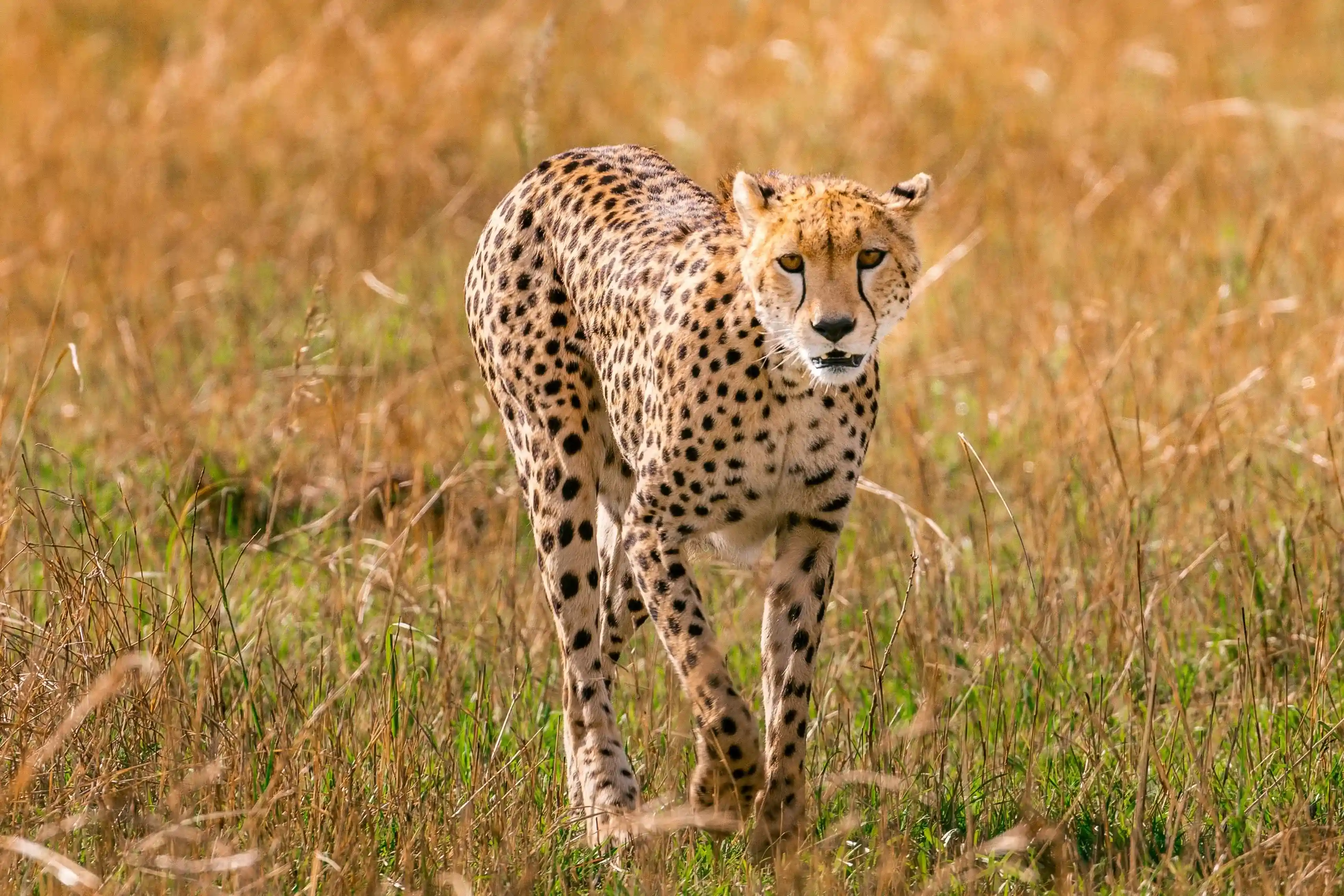
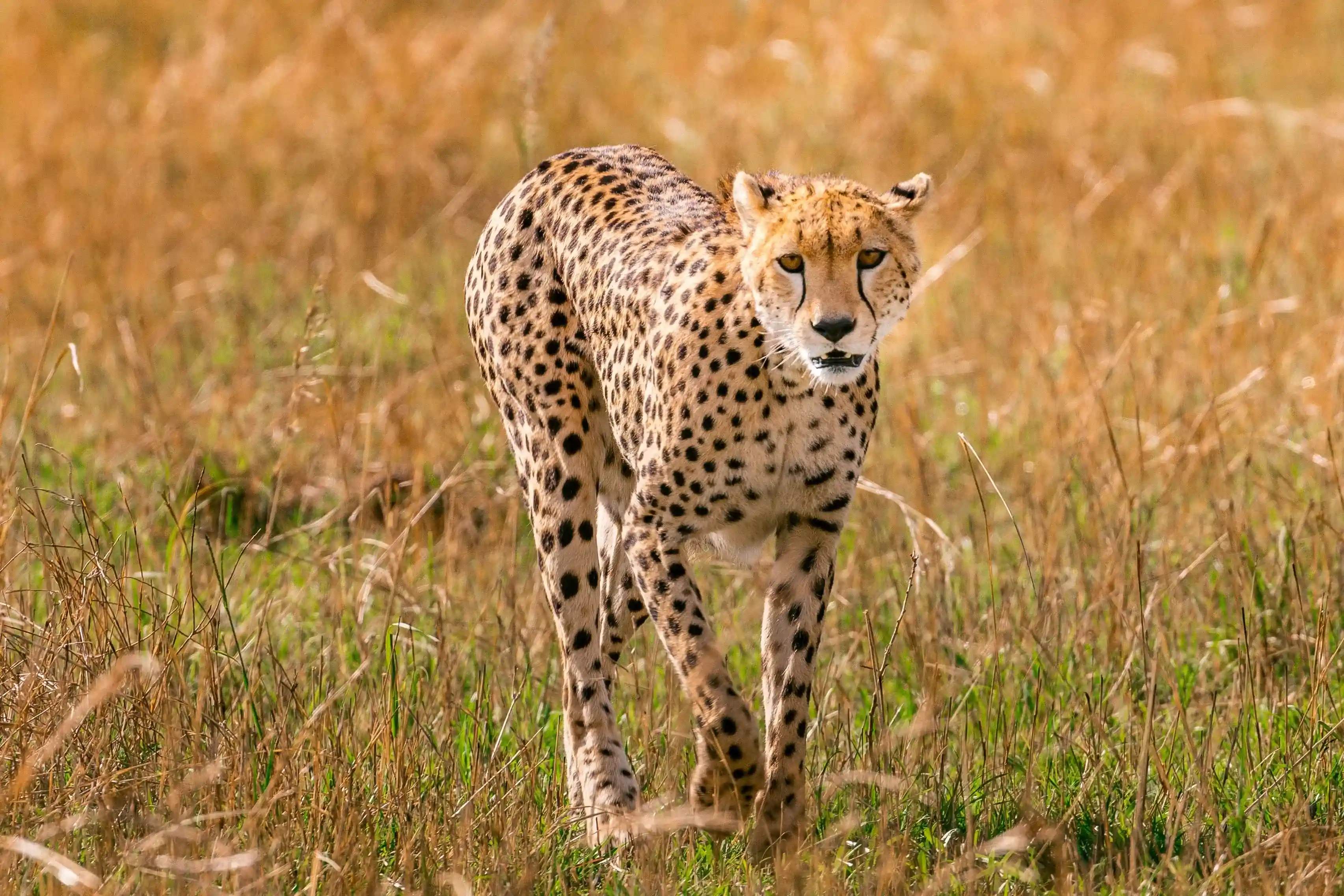
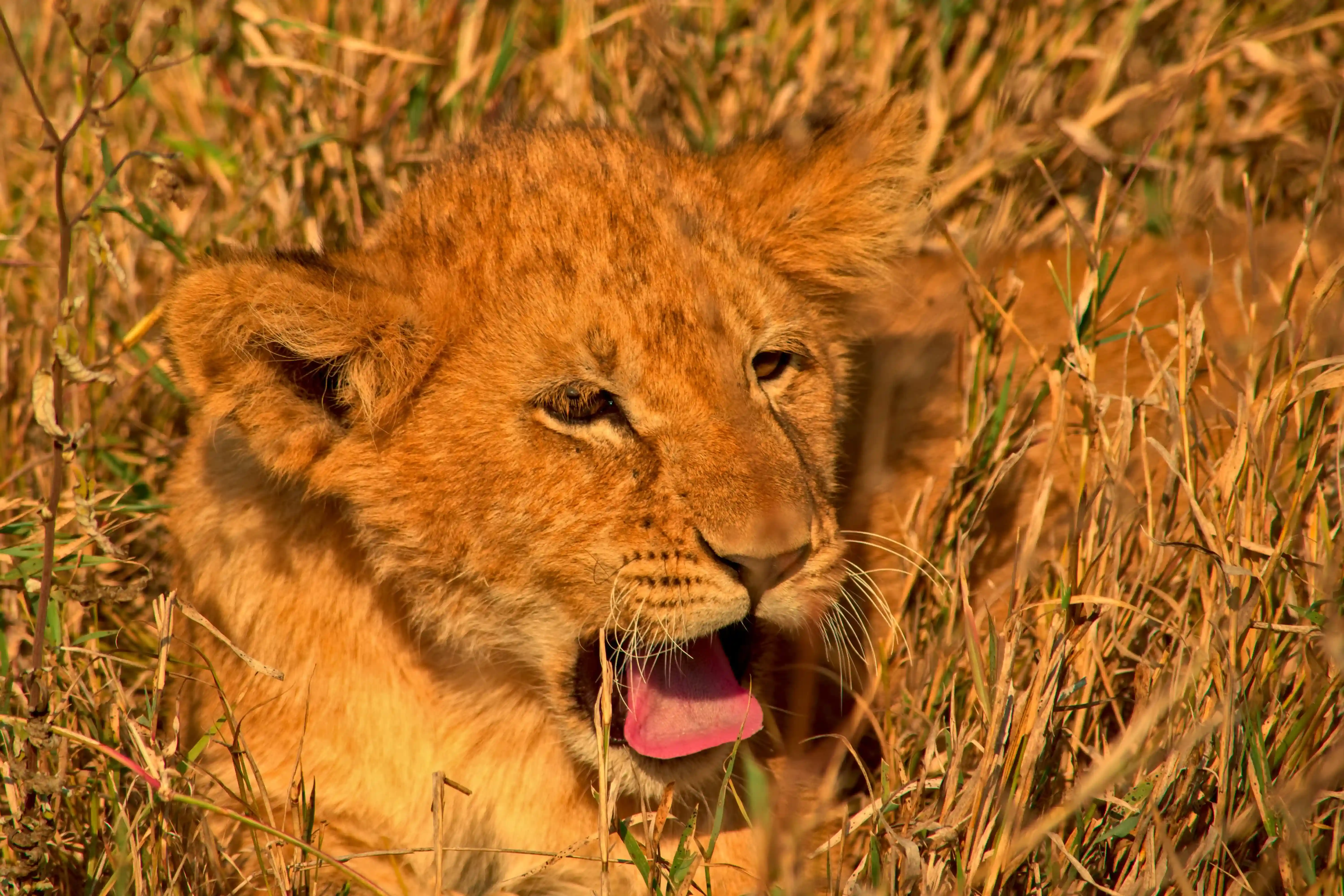
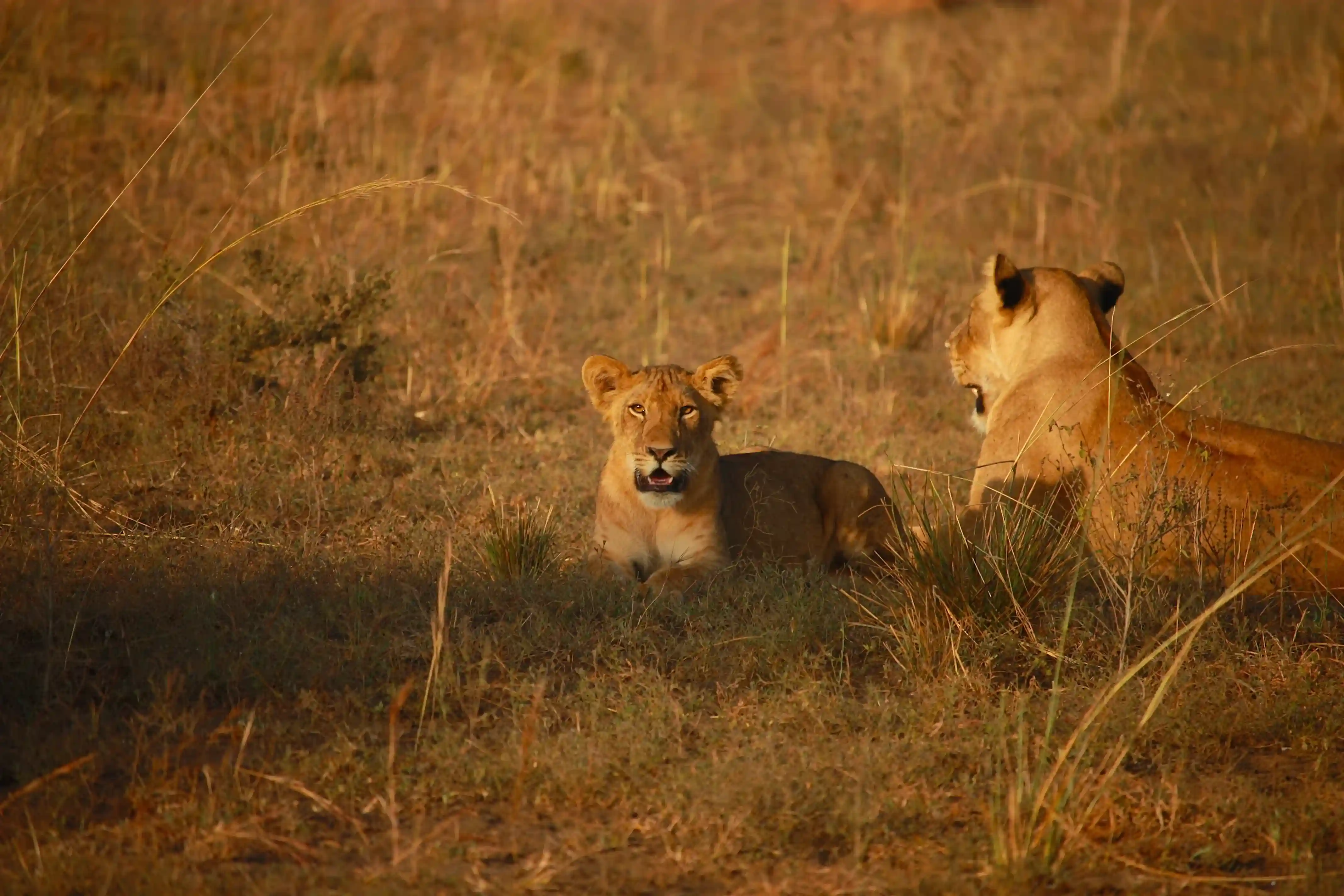
A full day in the Serengeti is one of the great gifts a safari can offer. You leave camp before sunrise — the air cool, the light barely breaking — and drive out onto the plains just as the nocturnal predators are making their last moves of the night. Cheetahs are up early, scanning from termite mounds as the grasslands warm. Lions sprawl across kopjes, the cubs tumbling around the adults in the low morning light. A kill from the night before draws vultures in spiralling columns high overhead, the ultimate sign that something dramatic happened here in the dark.
Midday brings a proper bush picnic — your camp crew has prepared a packed lunch, and your guide finds the perfect spot: a shady acacia beside the Seronera River, where hippos wallow just below and vervet monkeys watch enviously from the branches above. In the midday silence, with the plains steaming gently in the heat and the wildlife resting, there is a particular magic — the sense that you are living inside the landscape, not just looking at it from the road.
The afternoon drive takes you into different terrain — through the western corridor where the migration herds concentrate during the river-crossing season, across the open Seronera grasslands where cheetah families teach their cubs to hunt, and through the kopje country where hyena clans and lion prides clash at dusk. You return to camp as the stars emerge, trading the day's best sightings over a sundowner by the fire.
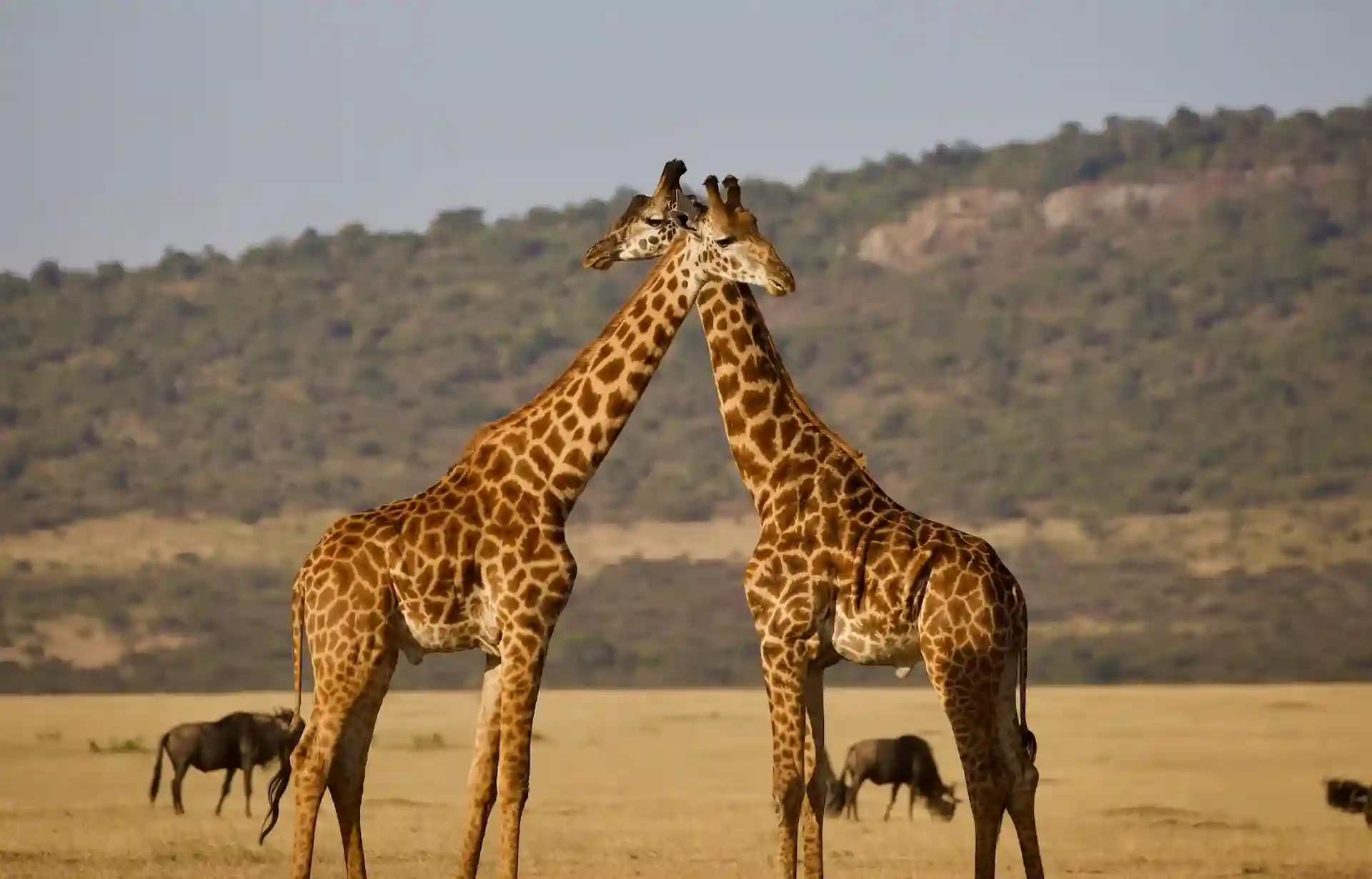
Three nights in the Serengeti is when the safari truly deepens. By now your guide knows your preferences intimately — the species you've been hoping to see, the sightings you've already had, the moments you want more of — and today they put that knowledge to work. Those who booked the optional hot air balloon depart before first light, drifting silently over the waking plains as dawn breaks below: migration herds moving in silver light, lion prides strolling back from the night's hunt, the full panorama of the Serengeti revealed from above. The balloon lands to a champagne breakfast on the plains — one of the great travel experiences anywhere in the world.
For those in the vehicle, the morning drive focuses on whichever area has been most productive — perhaps heading north toward the Mara River if the crossing season is active, or deep into the Lobo area where fewer vehicles and more undisturbed wildlife await. By the third day in the Serengeti, patience begins paying enormous dividends: cheetah hunts observed from beginning to end, lion cubs playing in the golden light, leopards lounging in full view without a care in the world.
The afternoon drive on this third Serengeti day carries a particular emotional quality — the knowledge that tomorrow you leave. Your guide milks every remaining hour, finding the sightings that complete the story the week has been telling. As the sun falls and the plains turn to fire, you return to camp for a final Serengeti dinner, this one served with a quiet satisfaction that comes from having truly been here — not just passed through.
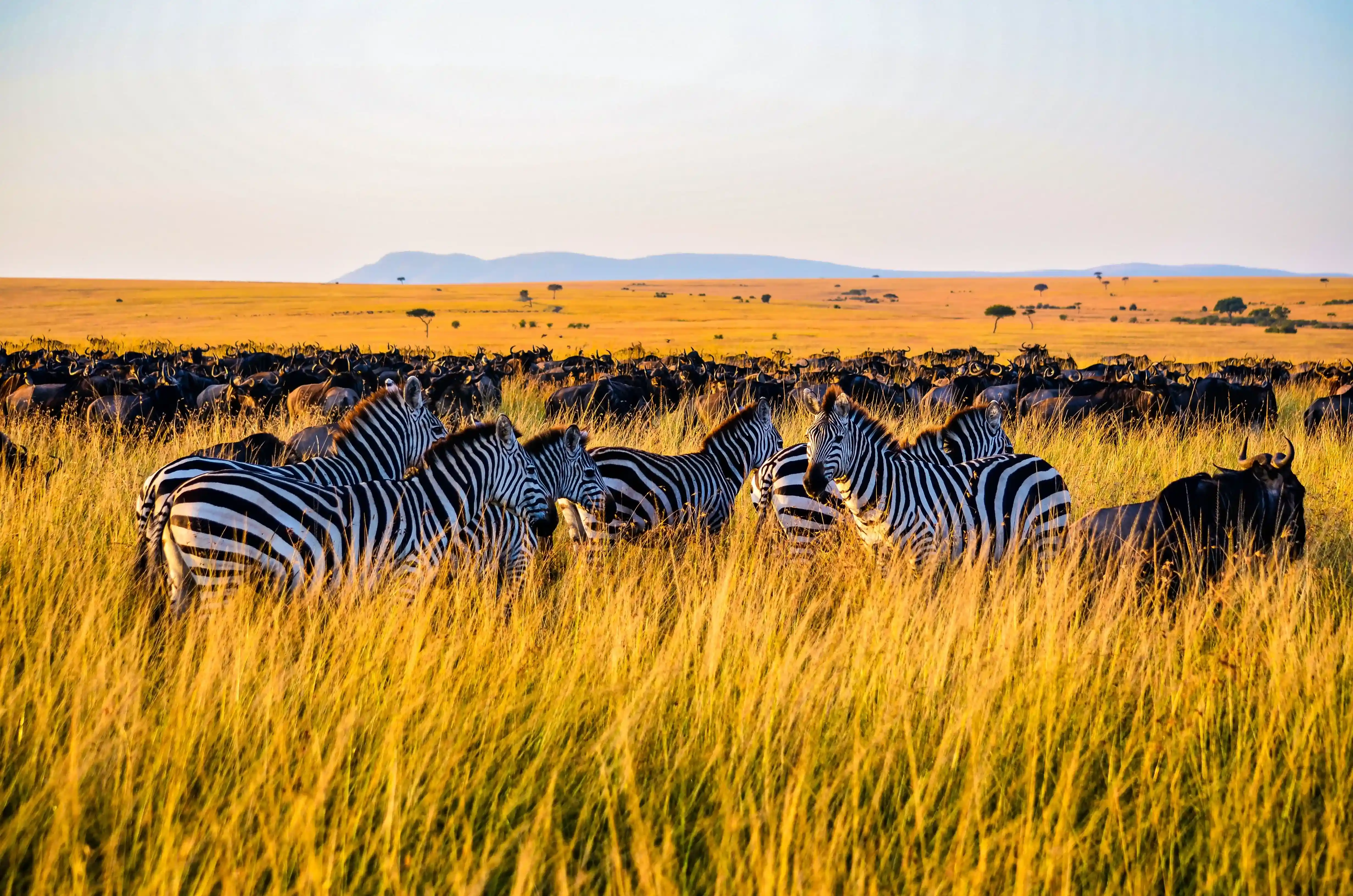
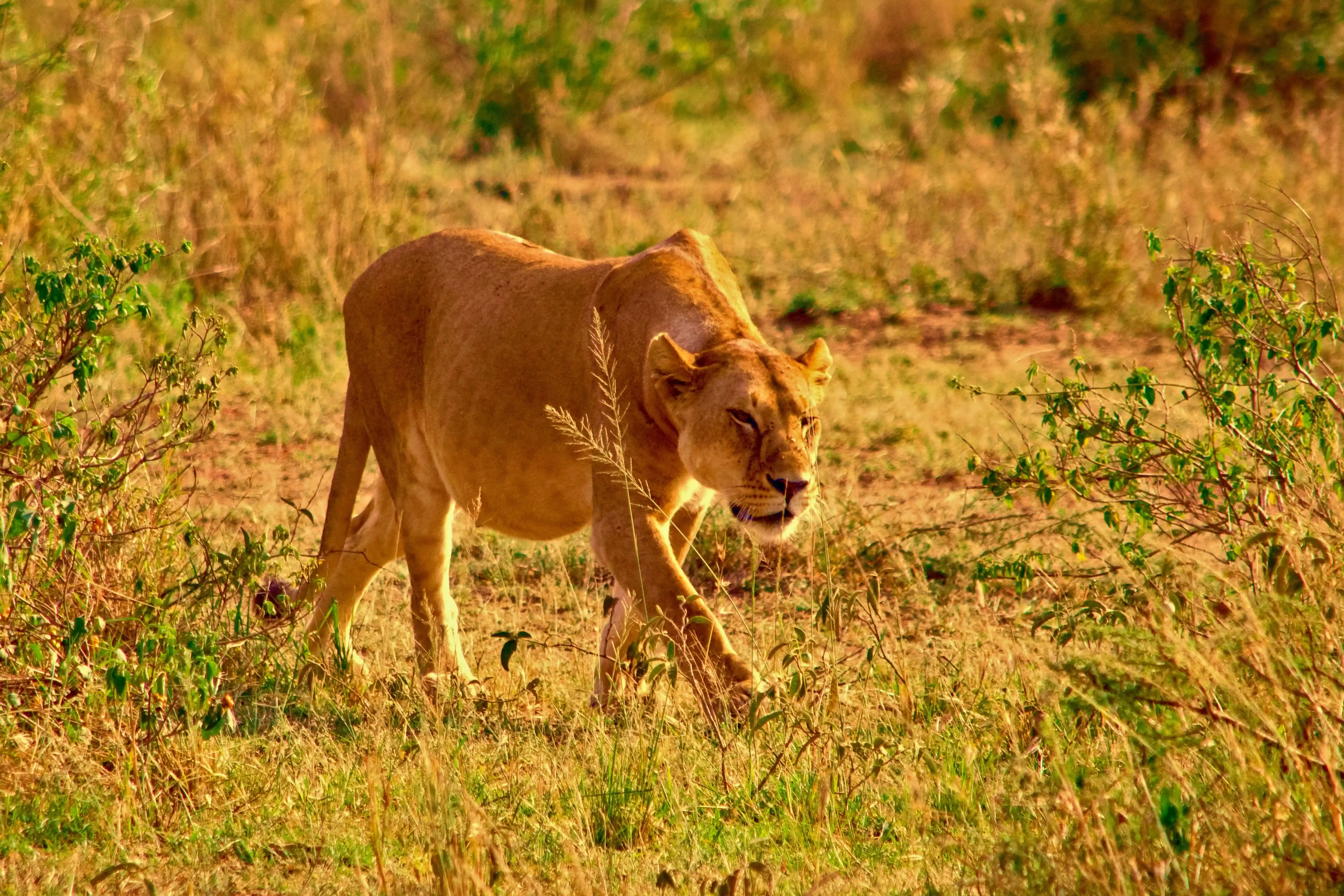
A final dawn drive in the Serengeti — your guide choosing the morning's route based on what was stirring at dusk the night before — before breakfast at camp and the drive east toward the Ngorongoro Conservation Area. As you leave the park, the flat-grass plains give way to acacia woodland, then highland montane forest, and finally the wide, cool plateau of the NCA where Maasai herders move their cattle across the same landscape their ancestors have grazed for centuries.
The road climbs steeply up through cloud forest to the crater rim, the temperature dropping noticeably as you gain altitude. At the viewpoint, the crater reveals itself for the first time — a 260 km² bowl sunk 600 metres below, its floor alive with movement even from this distance. It is one of the most arresting views in Africa: the scale almost impossible to comprehend, the knowledge that tomorrow morning you will drive down into it entirely.
This evening at the crater rim has its own quiet magic — the cool highland air, the mist drifting through the Hagenia forest, olive baboons moving through the trees at the lodge's edge. Your guide briefs you on what to expect inside the crater tomorrow, pointing out the highlights visible even from the rim: the pink line of flamingos on the soda lake, the dark mass of the hippo pool, the black-clay swamps where the rhino are most often found.
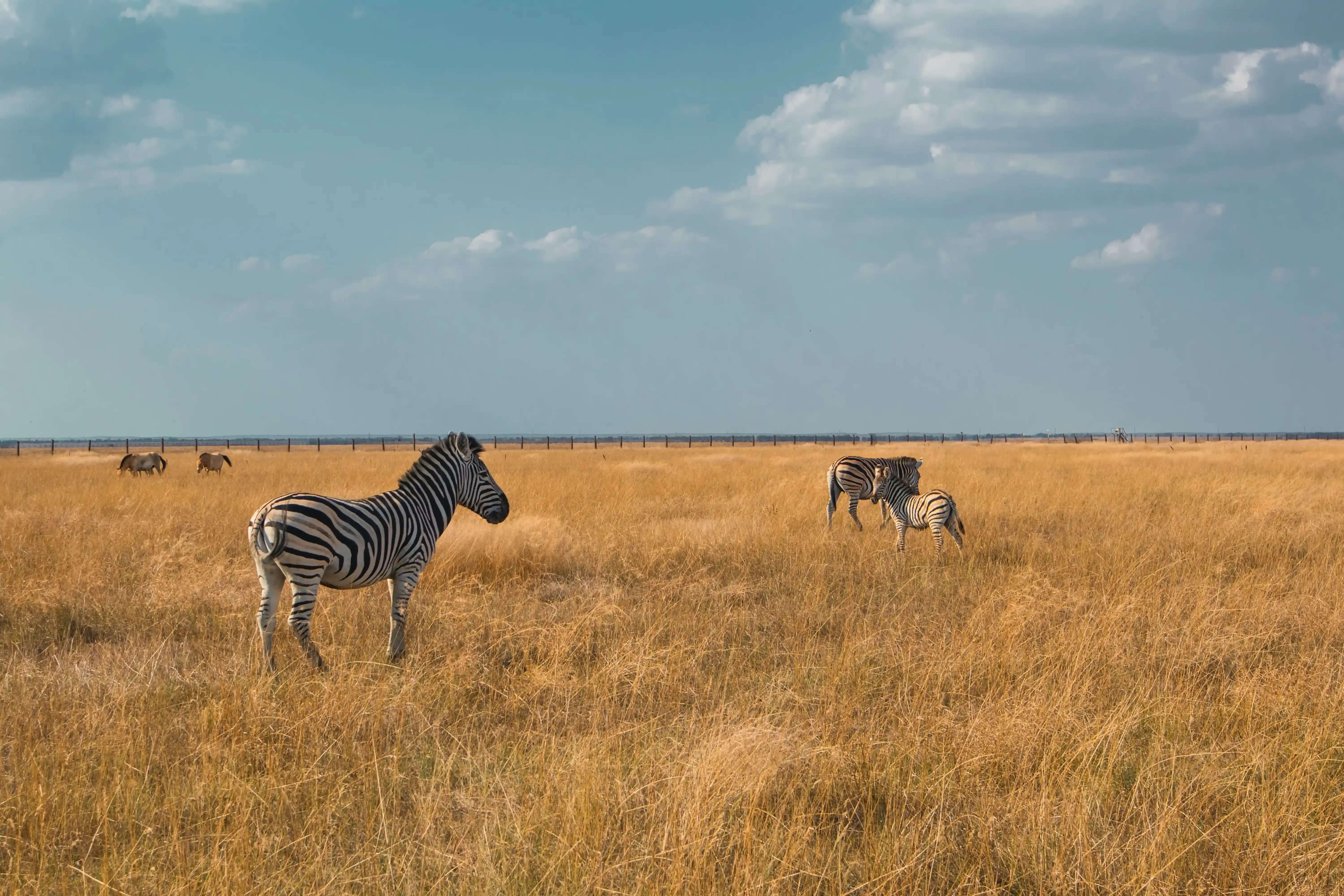
Early breakfast on the crater rim before the steep descent down the winding crater wall — 600 metres in just a few minutes, the mist parting as you drop through different altitude zones and arrive suddenly on the crater floor. The scale of what surrounds you is staggering: a 260 km² enclosed world, a self-contained ecosystem in which approximately 25,000 large animals live and rarely leave. Because there is no migration in or out, the animal density here is among the highest on Earth — and because you have a full day inside, you are under no pressure whatsoever.
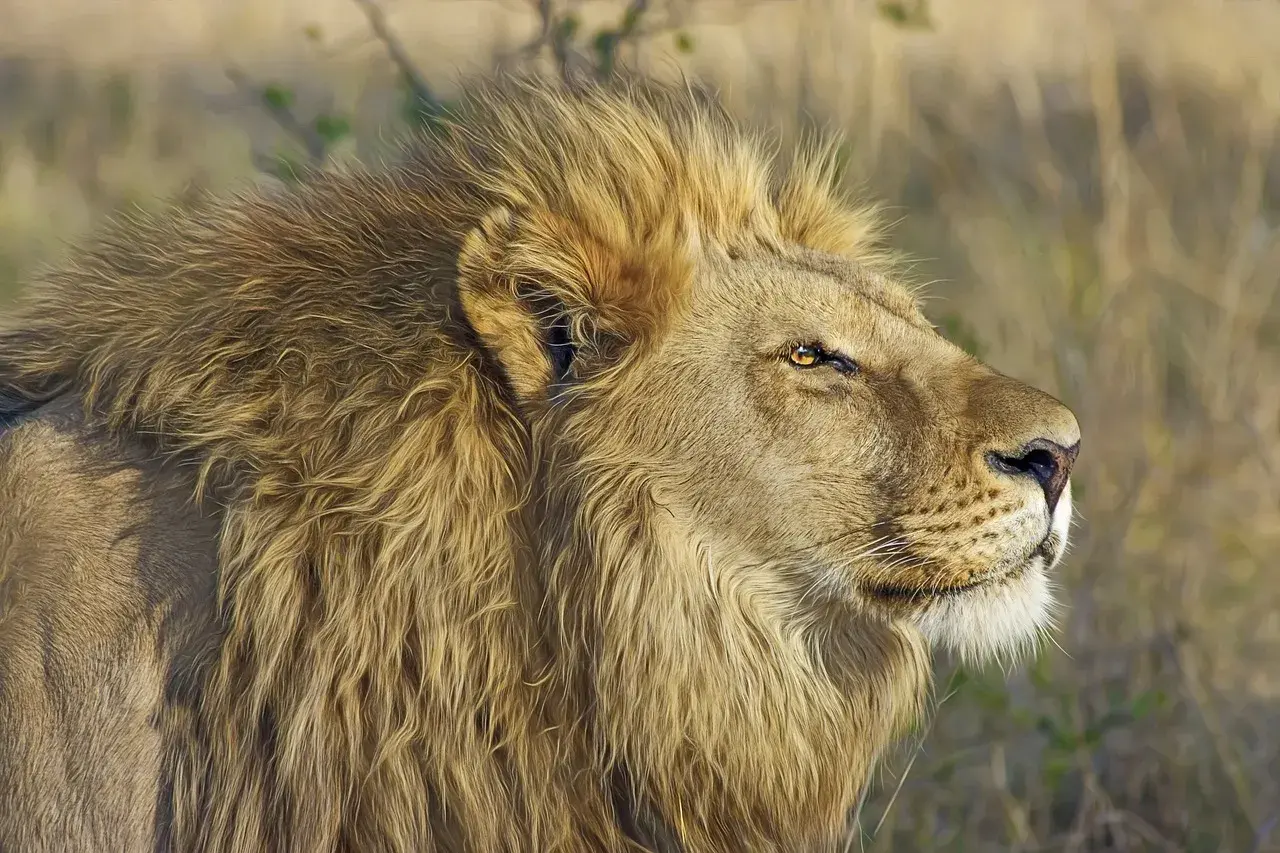
The morning is spent in the lion heartland — large prides that have adapted over generations to hunting at night and resting openly during the day, completely unbothered by vehicles at close range. The Ngorongoro lions are larger, darker-maned, and bolder than their Serengeti cousins, and the crater's enclosed geography means that when your guide picks up their tracks, a sighting is almost always the result. The black-clay Mandusi swamp is the habitat of choice for the crater's black rhino — patient searching through the mid-morning hours frequently rewards with one of Africa's most endangered and majestic animals at close range.
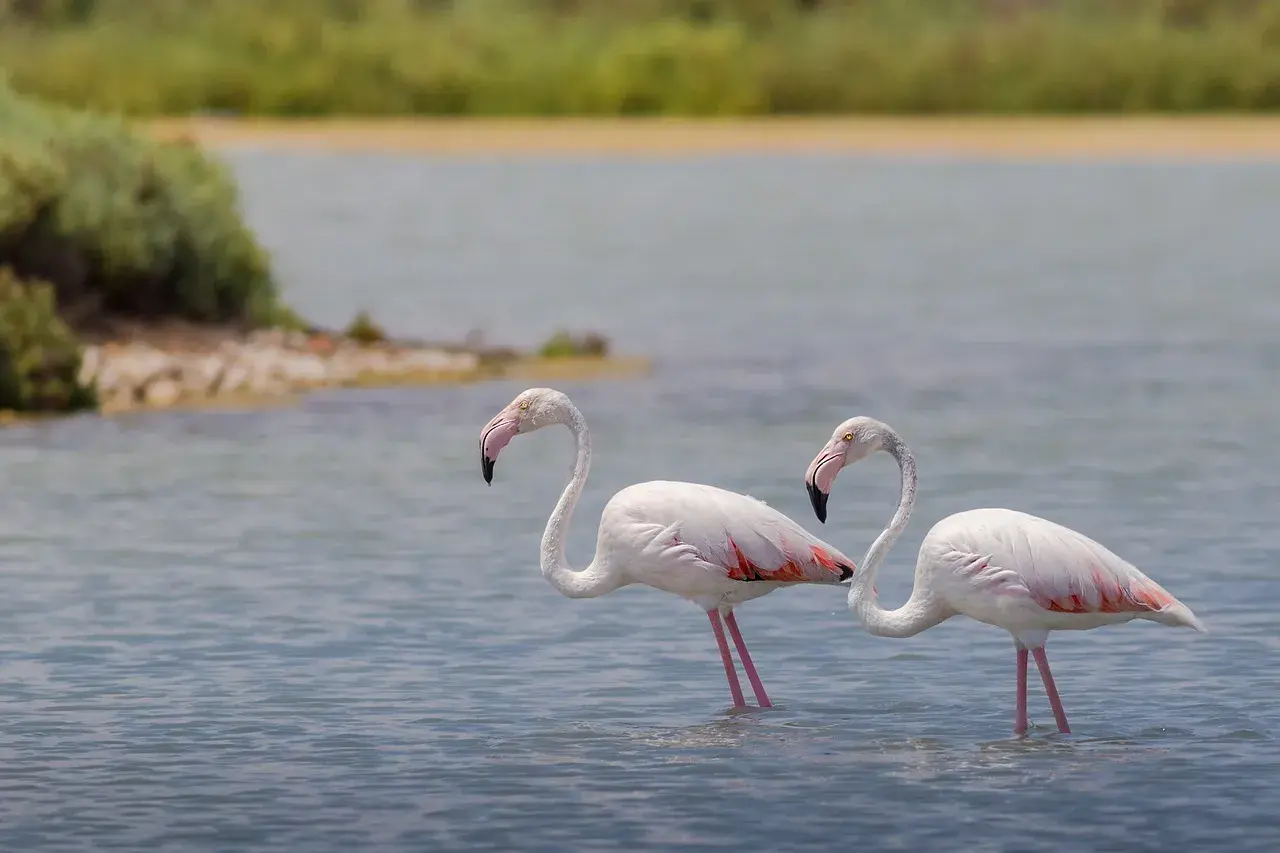
A legendary crater-floor lunch is served beside the hippo pool — marabou storks circling overhead, hippos snorting in the reeds just metres away, kites wheeling above as you eat. The afternoon is given over to the soda lake and its flamingo colony: thousands of birds turning the shoreline pink, the soda-encrusted edges glittering in the light. As the day draws to a close, you ascend the crater wall and transfer east toward Lake Manyara, arriving at your lodge in time for a well-earned sundowner overlooking the rift valley escarpment.
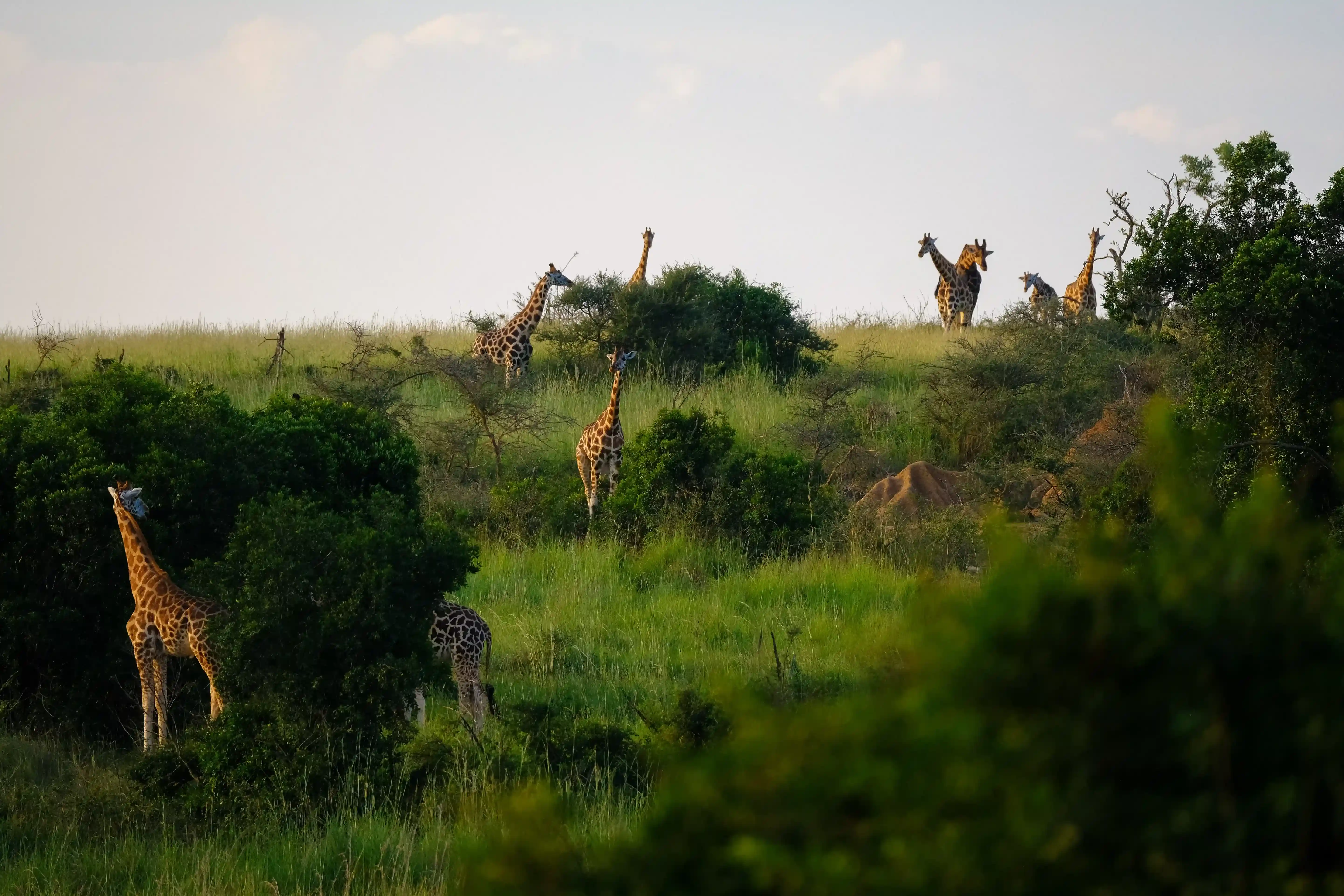
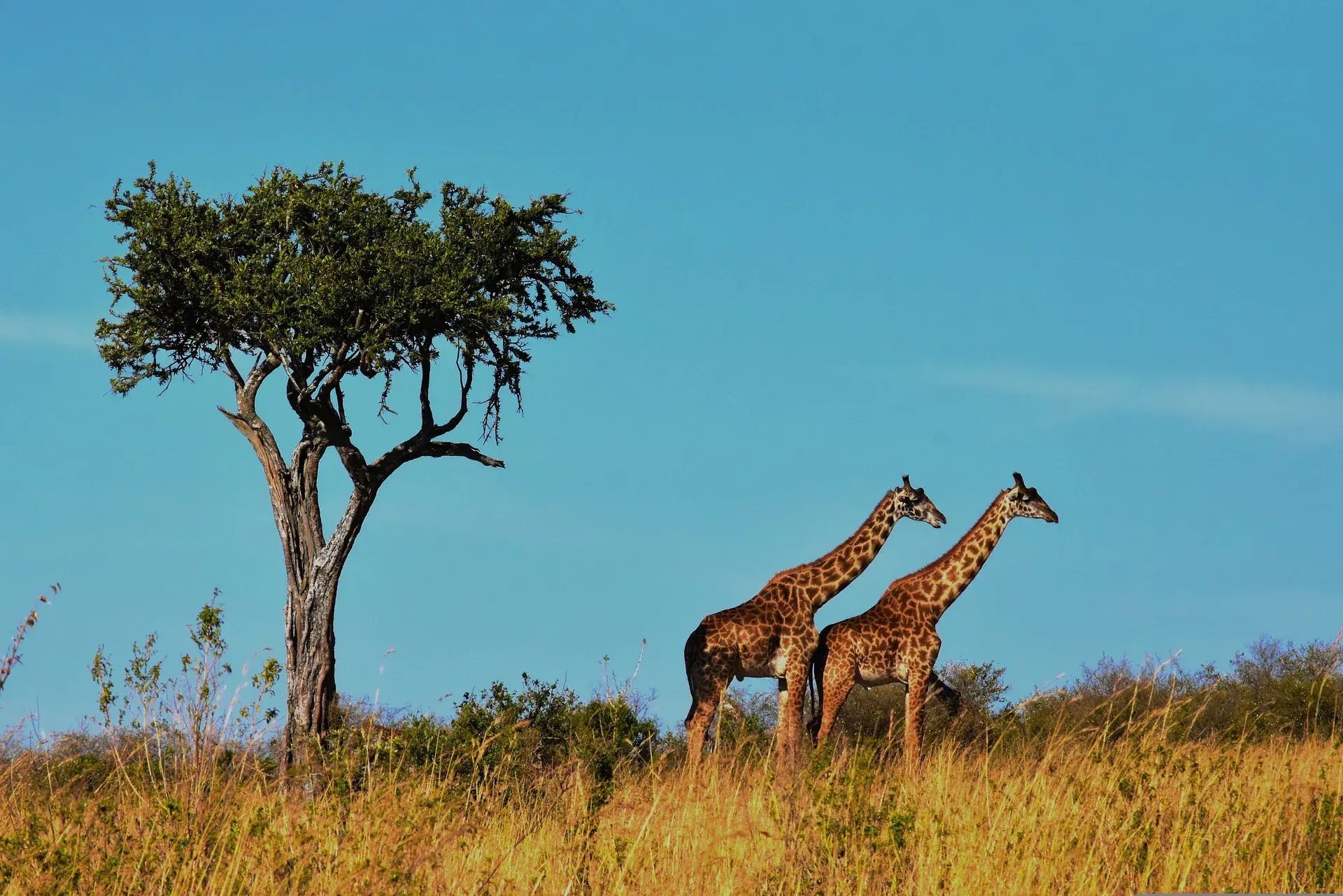
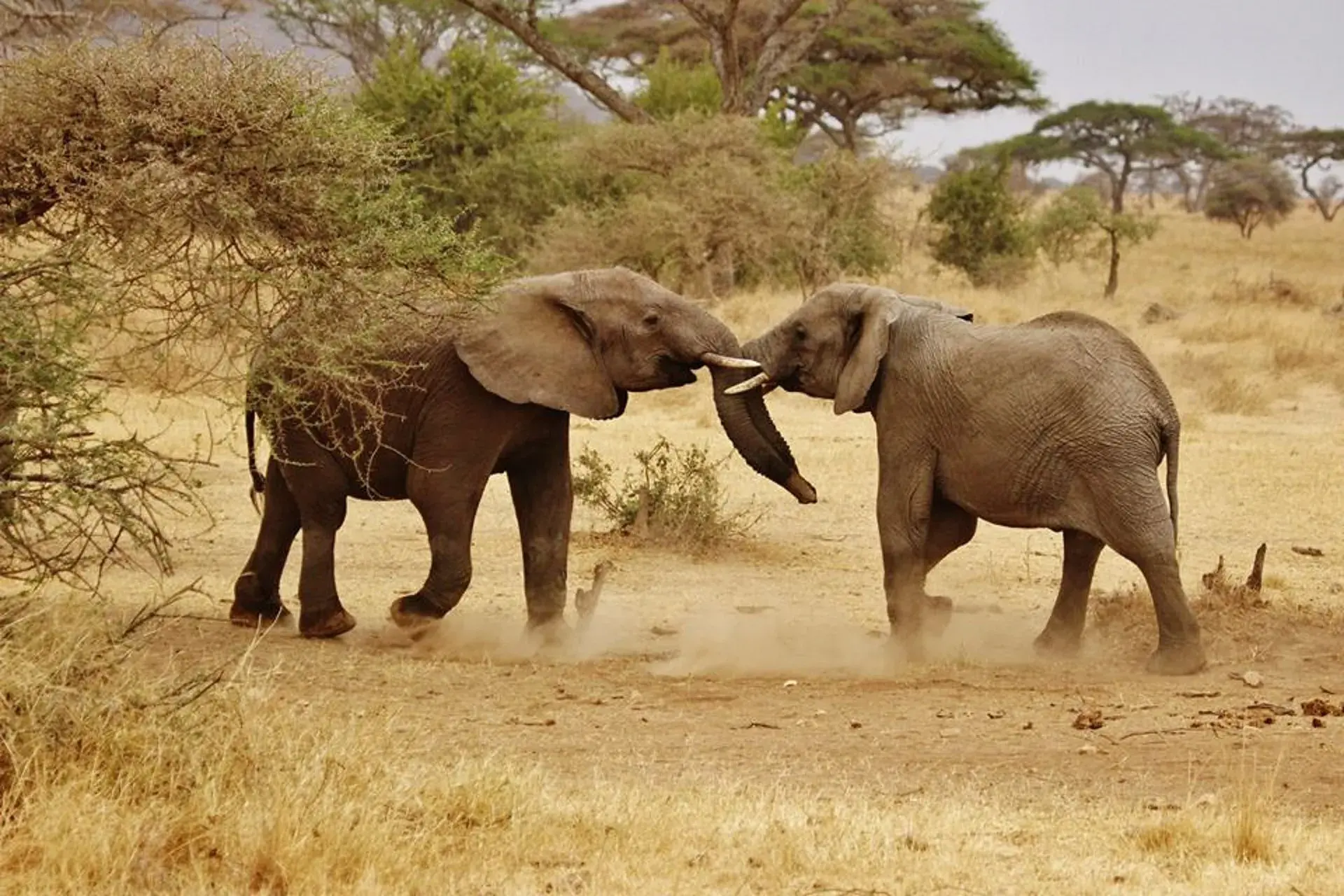
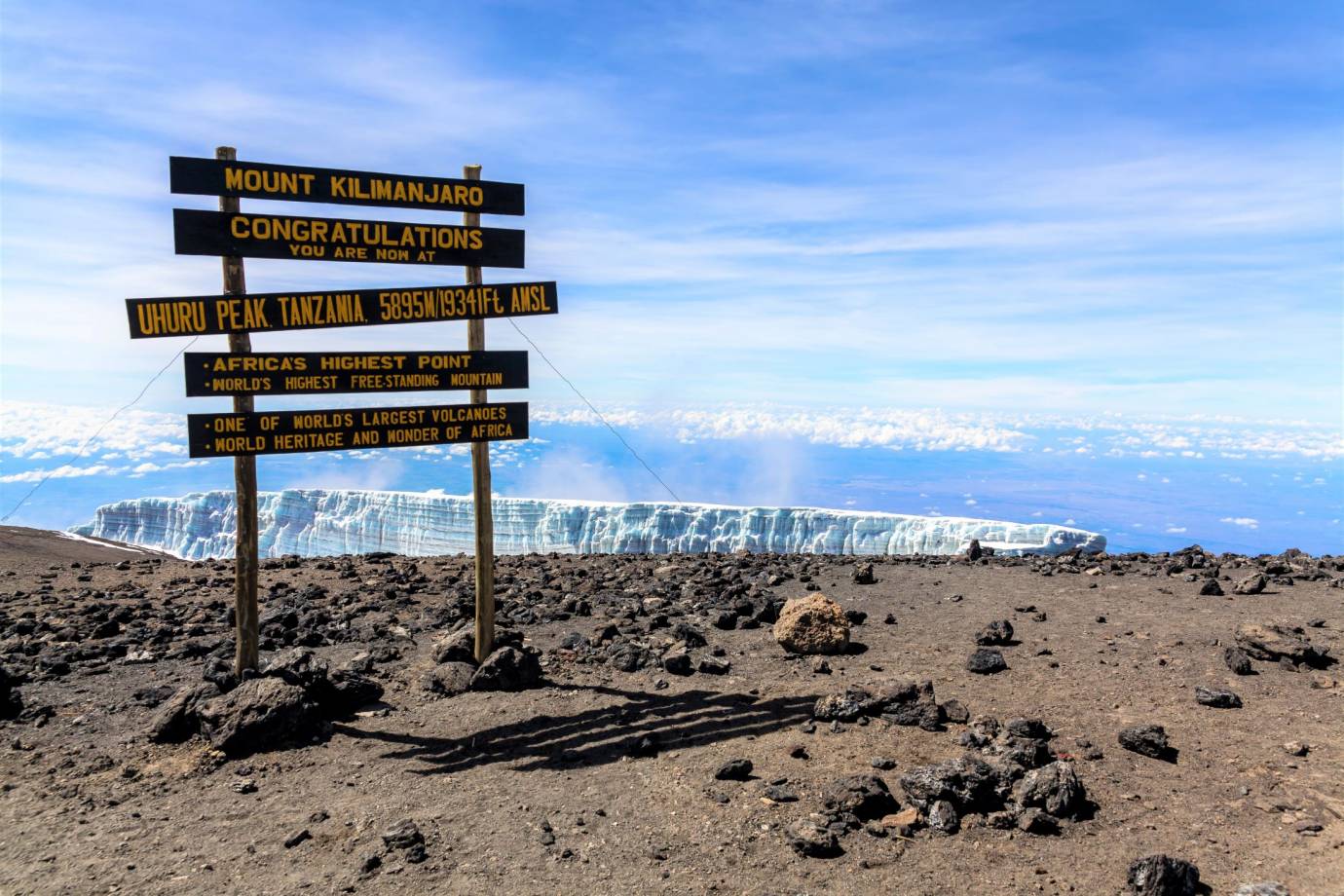
The final morning of the safari belongs to Lake Manyara — and it is a fitting finale to the journey. The park is a narrow but extraordinarily rich strip of habitat pressed between the Rift Valley wall and the alkaline lake shore: dense groundwater forest giving way to acacia woodland, then open floodplain, then the silver expanse of the lake itself. Each zone holds its own wildlife community, and a morning drive through all of them is a compressed masterclass in East African ecology.
The forest section is where Manyara's most famous residents are sought — the tree-climbing lions, an unusual and still somewhat mysterious behaviour unique to this park and the Queen Elizabeth area of Uganda. The lions here regularly ascend the fever acacia and fig trees, draping themselves over branches in groups of two or three, their tails hanging loose, their eyes half-closed in the leaf-filtered light. Finding them above your vehicle — at eye level, relaxed and indifferent to your presence — is an image that stays with you for life. Olive baboon troops flood through the forest floor beneath, while black-and-white colobus monkeys move through the canopy overhead.
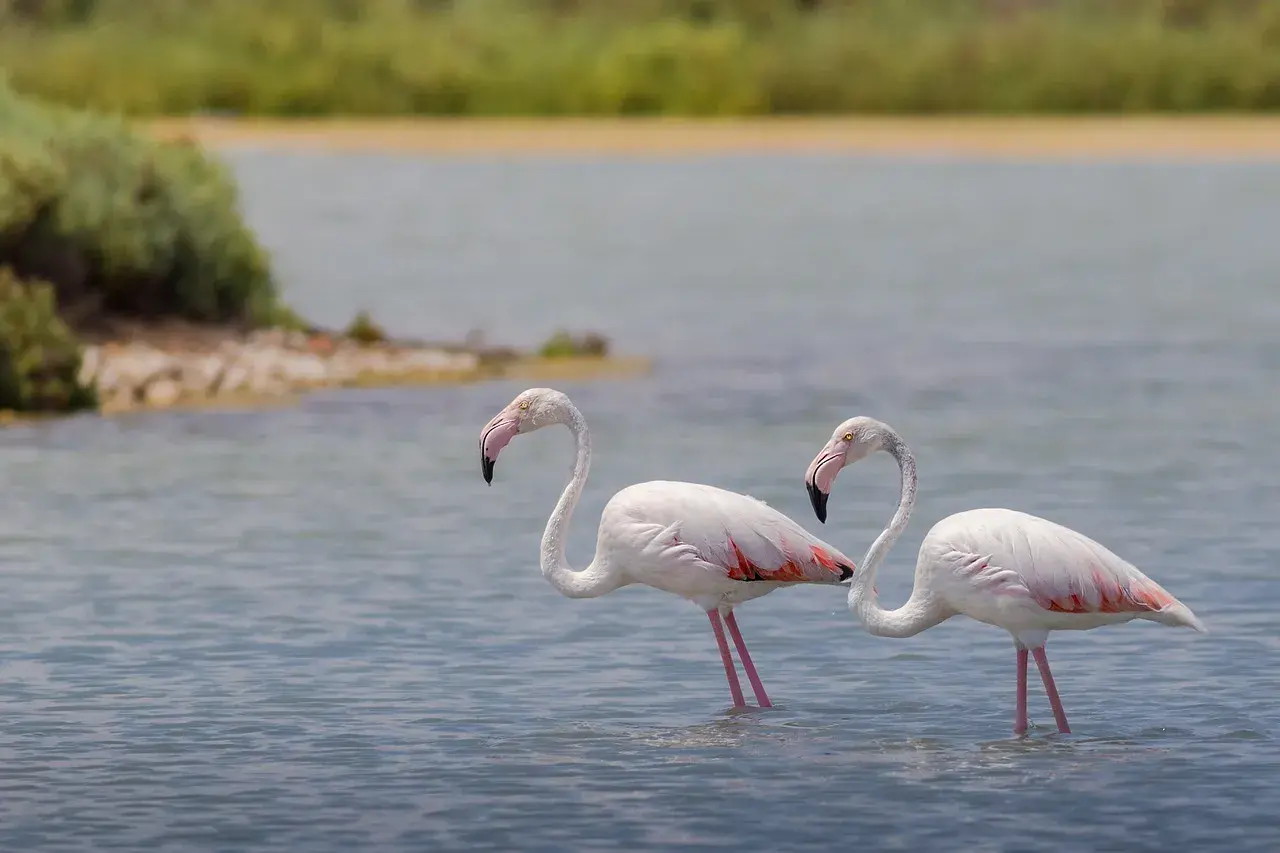
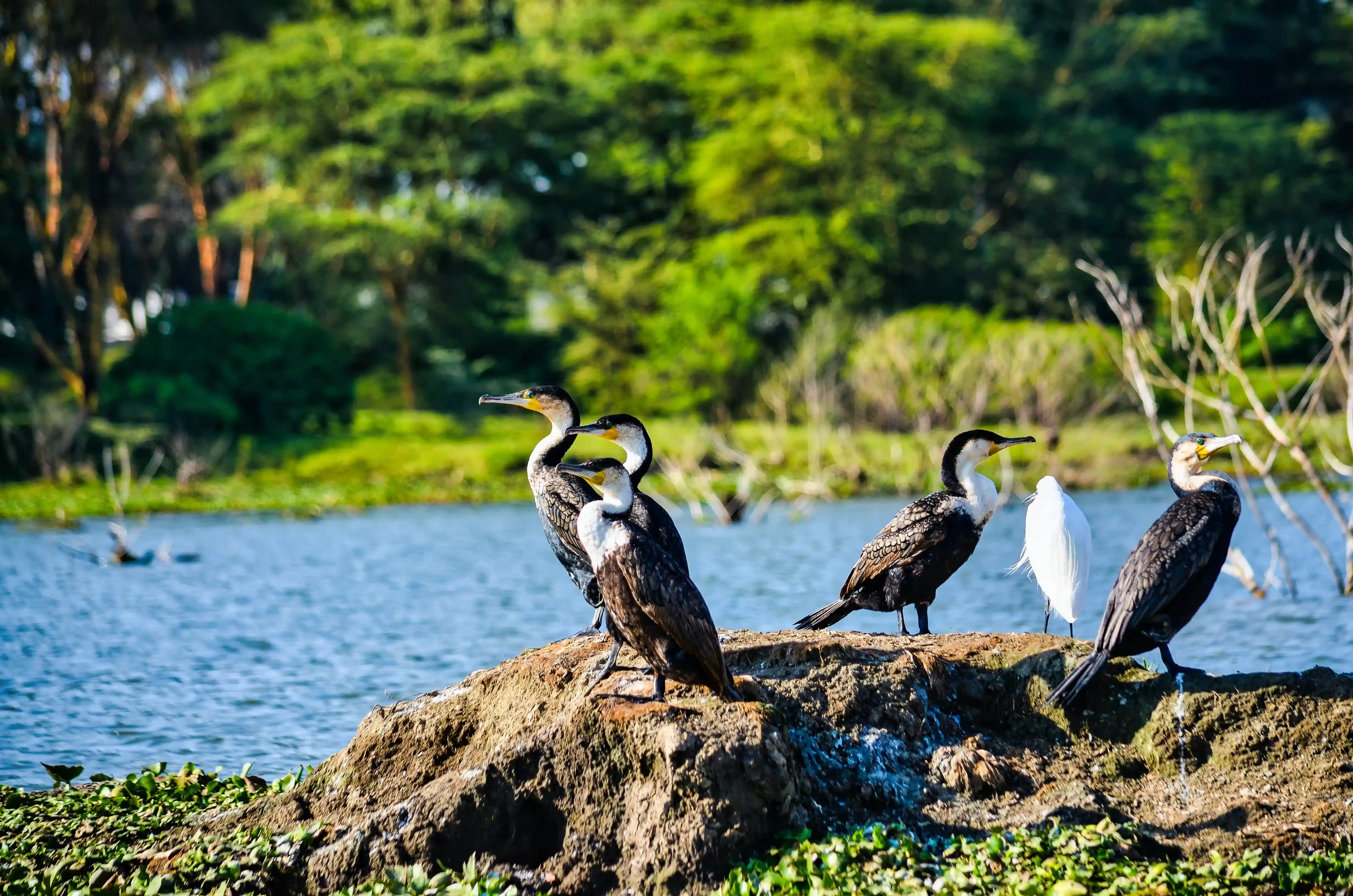
The lake shore delivers the last great spectacle: thousands of lesser flamingos filtering the shallows, their pink a vivid streak against the grey-white soda flats. Pelicans cruise low over the water in formation. Hippos grunt in the reed beds. An enormous flock of yellow-billed storks moves in unison across the shallows as you watch in silence from the bank. Then the drive to Kilimanjaro Airport — eight days, four parks, and a story you will be telling for the rest of your life.
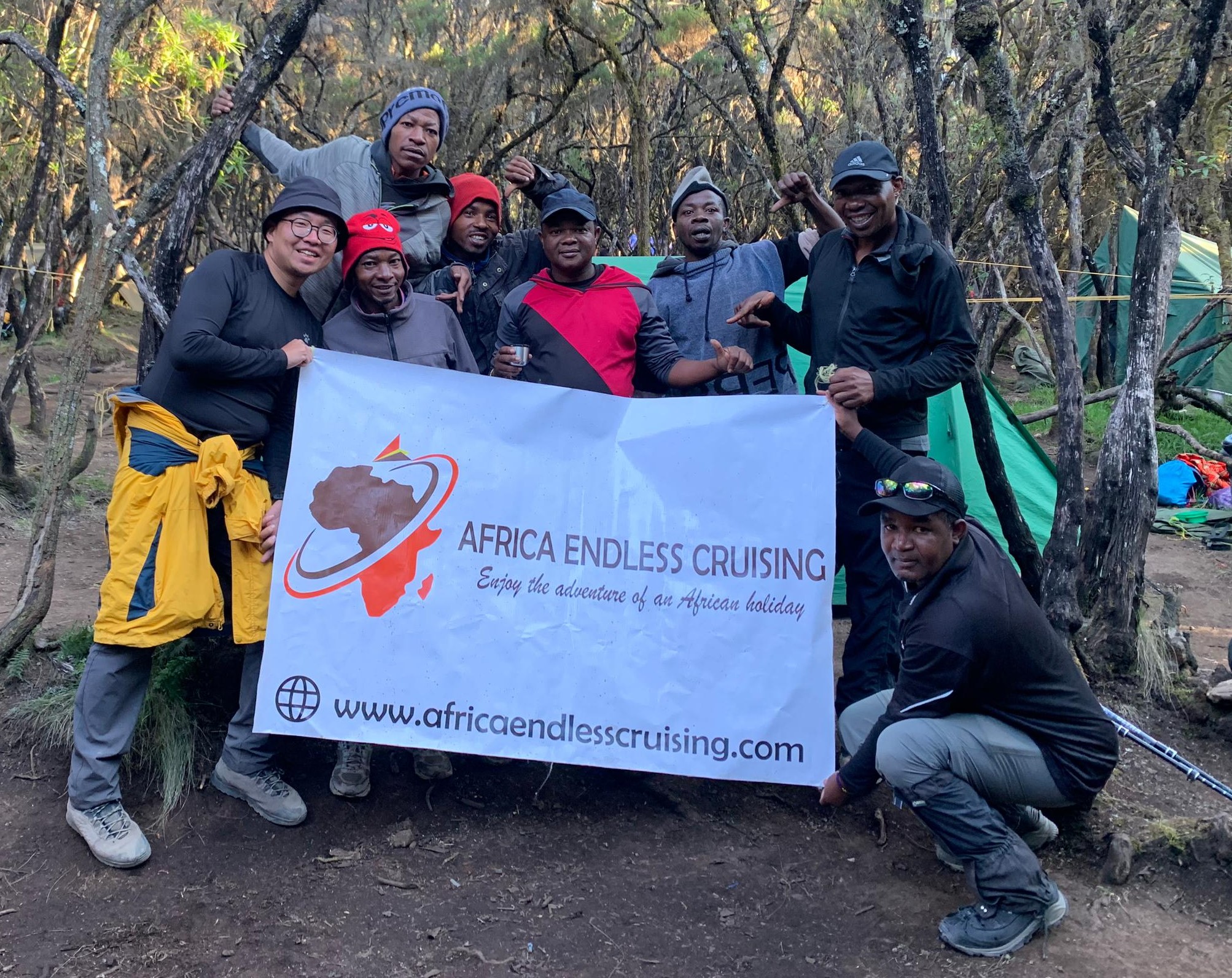
Tanzania's complete northern circuit — four iconic parks, one seamless private journey.
What's Included & Excluded
Included in Your Tour
Each Africa Endless Cruising safari uses a dedicated 4×4 Land Cruiser customized for Tanzania's terrain, with your exclusive use for all eight days across all four parks. The pop-up roof hatch opens fully for unobstructed wildlife viewing and photography.
- Pop-up roof for 360° viewing
- Ergonomic cushioned seats (max 6 guests)
- Built-in mini fridge stocked with water and soft drinks
- USB and 12V charging ports
- High-quality binoculars (one pair per guest)
- In-vehicle Wi-Fi (available in ~70% of coverage areas)
All lodges and camps listed in your chosen tier (Explorer, Signature, or Premium) are fully included for all seven nights — two in Tarangire, three in Serengeti, one on the Ngorongoro crater rim, and one at Lake Manyara. All accommodation is en-suite and full-board throughout.
Your guide is a certified Tanzanian Wildlife Authority professional with a minimum of 8 years guiding experience, fluent in English and deeply knowledgeable in animal behaviour, birdlife, local history, and Swahili culture. On an 8-day trip, the relationship you build with your guide is one of the most valued parts of the whole experience — they tailor every day to what excites you most.
All TANAPA and NCAA fees are pre-paid and fully included: Tarangire National Park entrance, Serengeti National Park entrance, Ngorongoro Crater descent fees, and Lake Manyara National Park entrance. No surprise charges at any gate or entry point.
Private transfers from Kilimanjaro International Airport (JRO) on Day 1 and return to JRO on Day 8 are fully included. No shared shuttles — your vehicle and guide are exclusively yours from the moment you land to the moment you depart.
In the unlikely event of a medical emergency, all Africa Endless Cruising safaris include emergency air evacuation to the nearest appropriate medical facility throughout all national parks and conservation areas on this itinerary.