9-Day Tarangire, Serengeti, Ngorongoro & Lake Manyara Safari
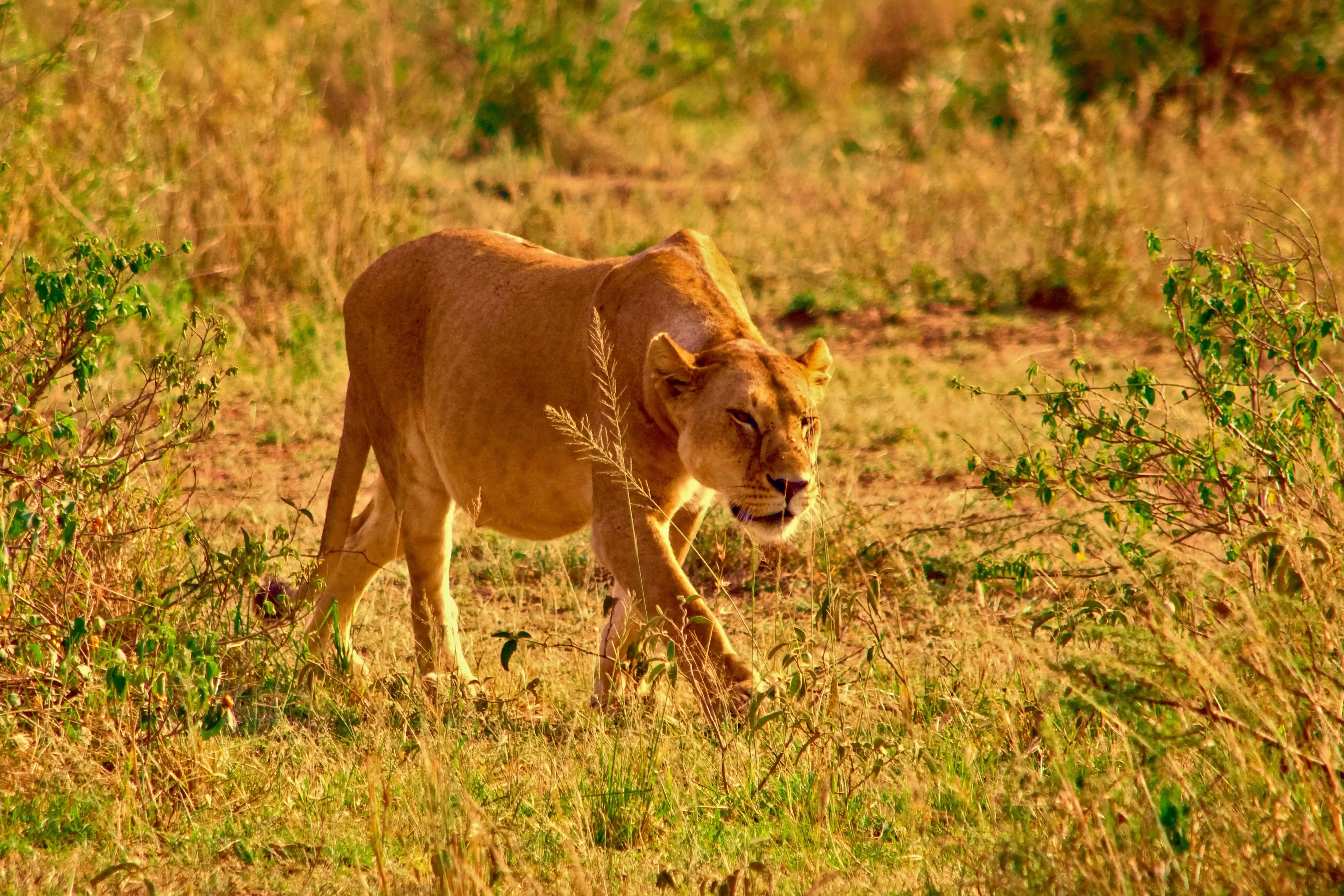
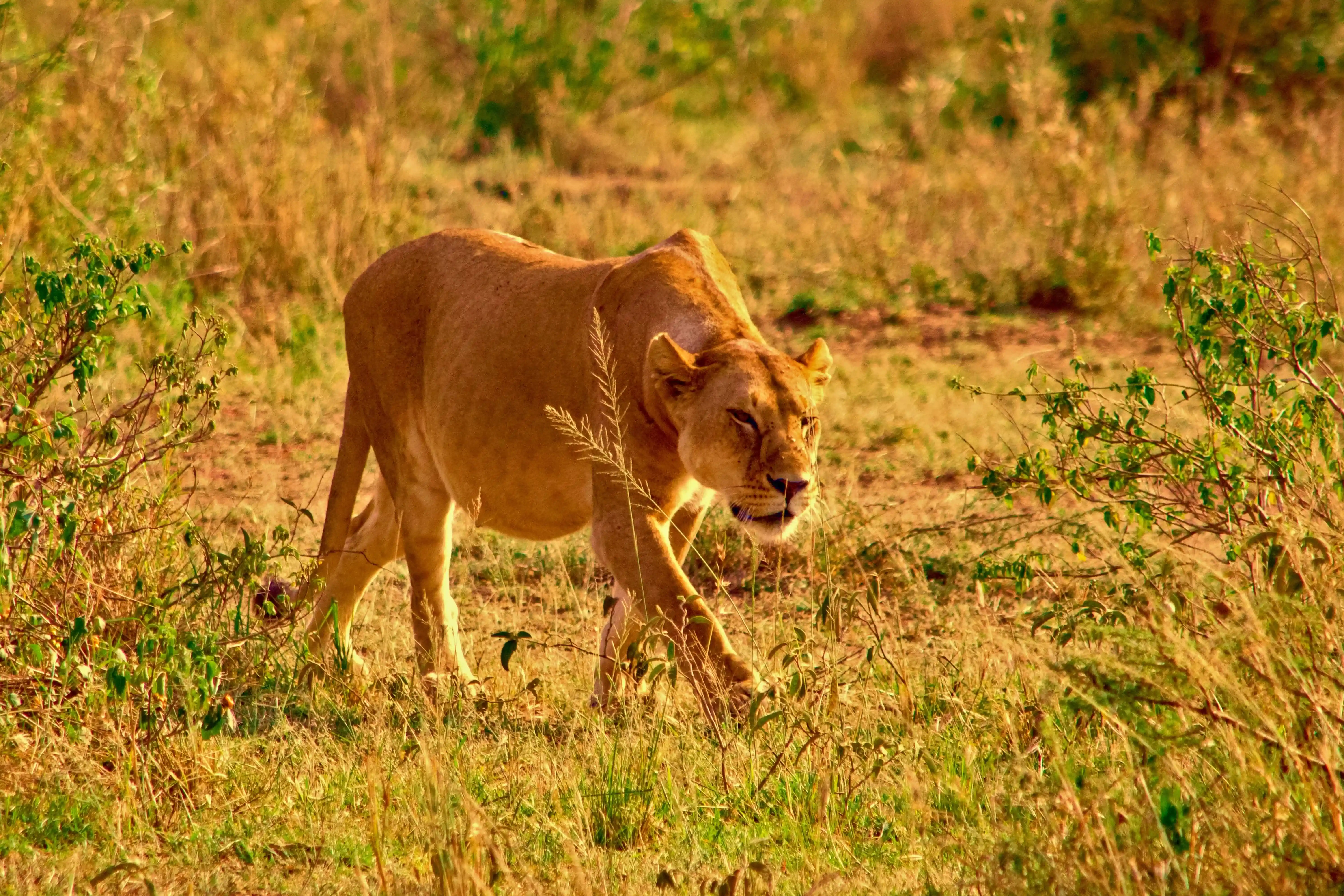
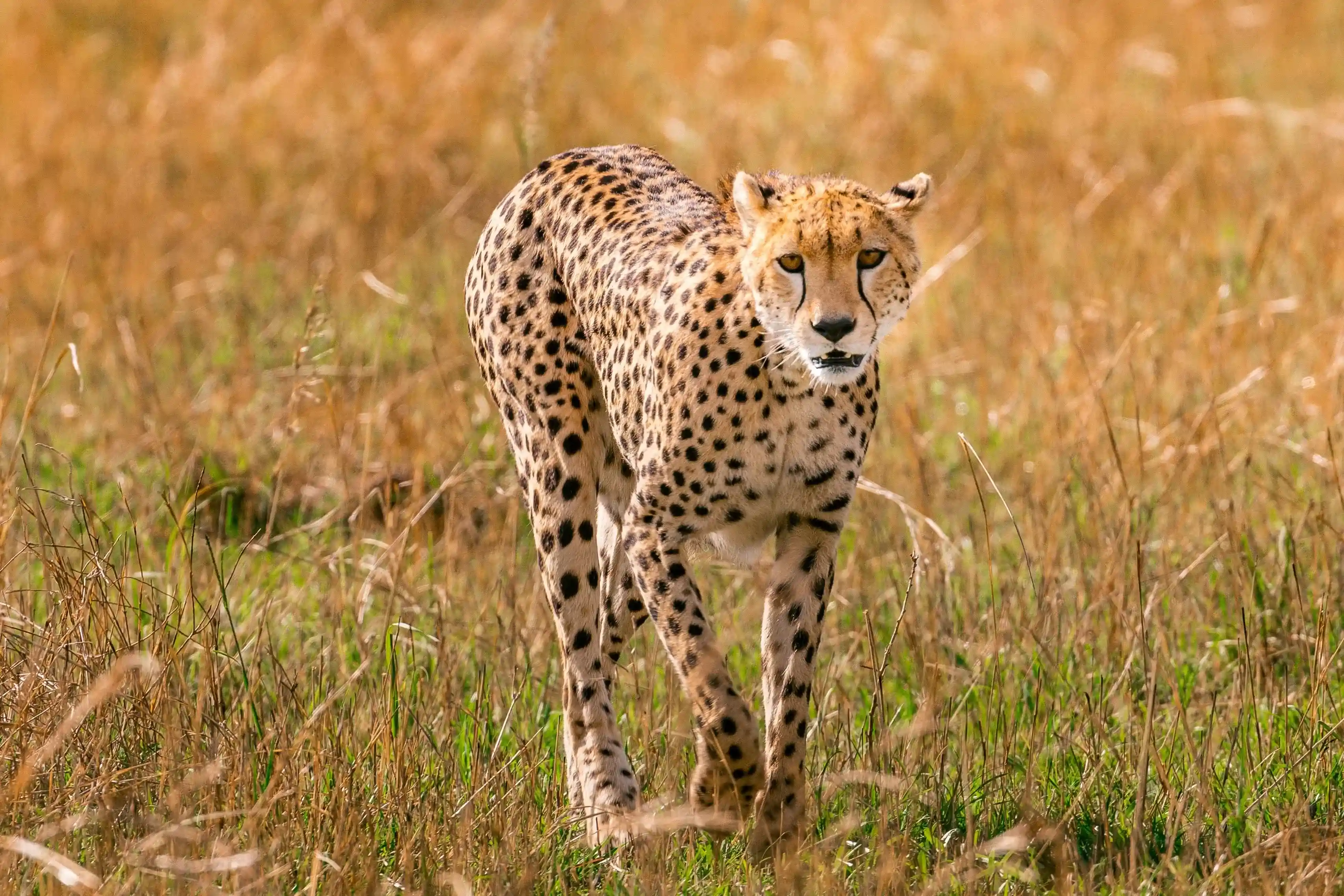
This 9-day journey is the definitive Tanzania Northern Circuit safari, combining four of the country's most iconic ecosystems into one unhurried adventure. Begin in Tarangire National Park, famed for its enormous elephant herds and ancient baobab-studded landscape, before heading deep into the legendary Serengeti National Park for three full days tracking the Great Migration and resident Big Five. Descend into the Ngorongoro Crater — the world's largest intact volcanic caldera — for an unforgettable day among one of the highest concentrations of wildlife on Earth. Close out the safari in the Great Rift Valley at Lake Manyara, home to the rare tree-climbing lions and thousands of flamingos along the soda lake shore.
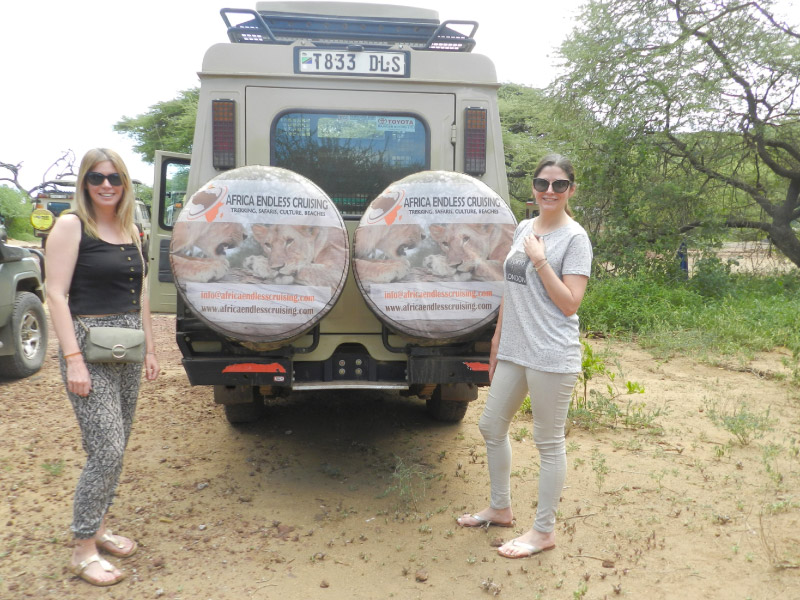
Your private group travels in a custom 4×4 Land Cruiser with a roof hatch for unobstructed wildlife photography. An expert naturalist guide will accompany you throughout, sharing deep knowledge of animal behavior, local ecology, and Swahili culture across all four parks.
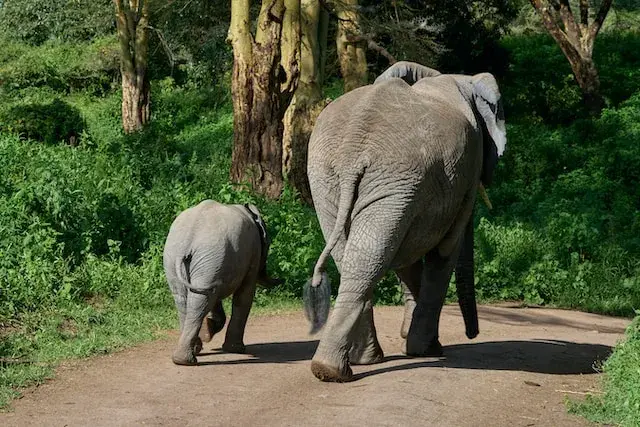
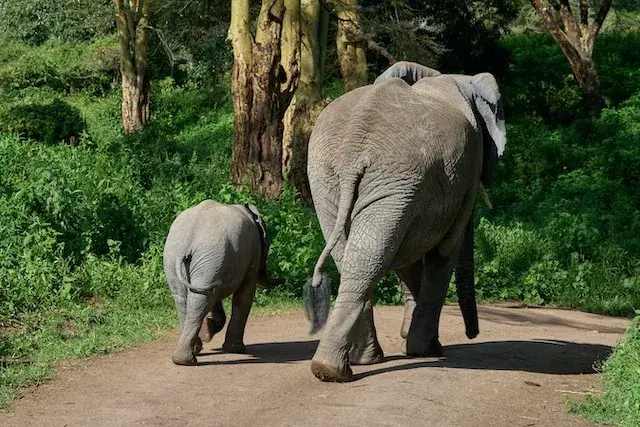
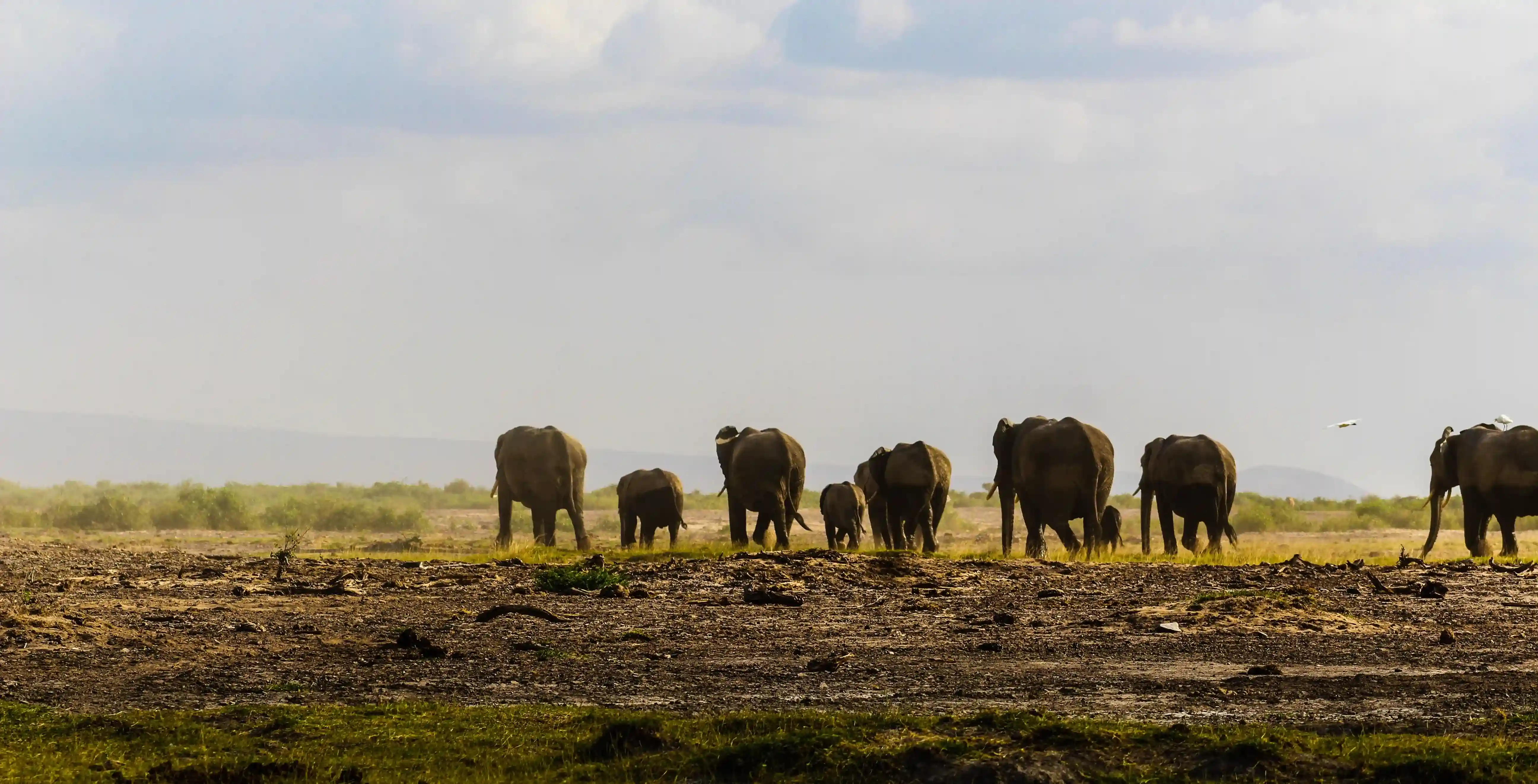
Home to one of Tanzania's largest elephant populations, with herds of up to 300 individuals gathering near the Tarangire River, framed by towering baobab trees.
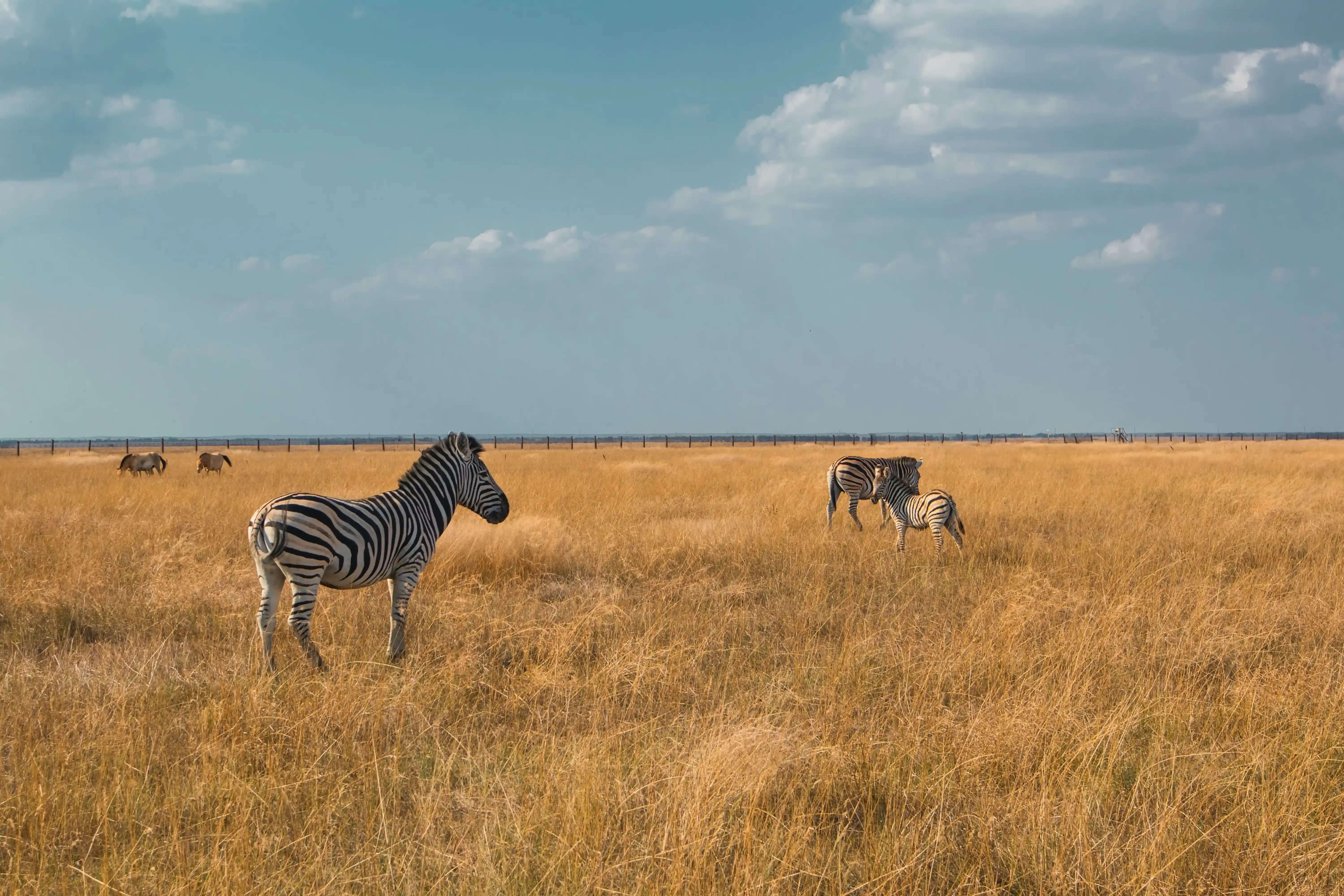
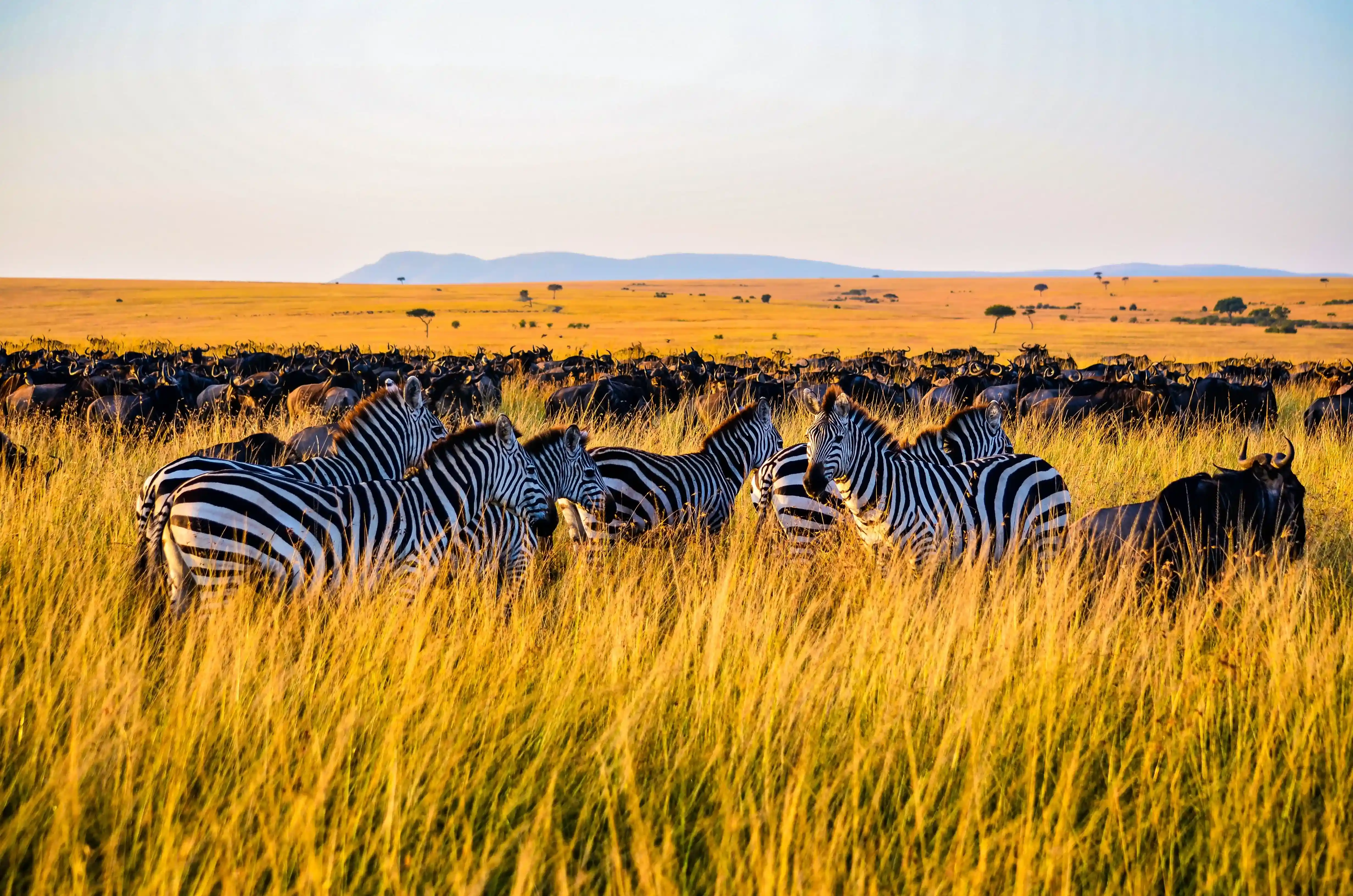
Three full days to witness millions of wildebeest and zebra in their annual trek across the Serengeti plains — one of nature's greatest spectacles.
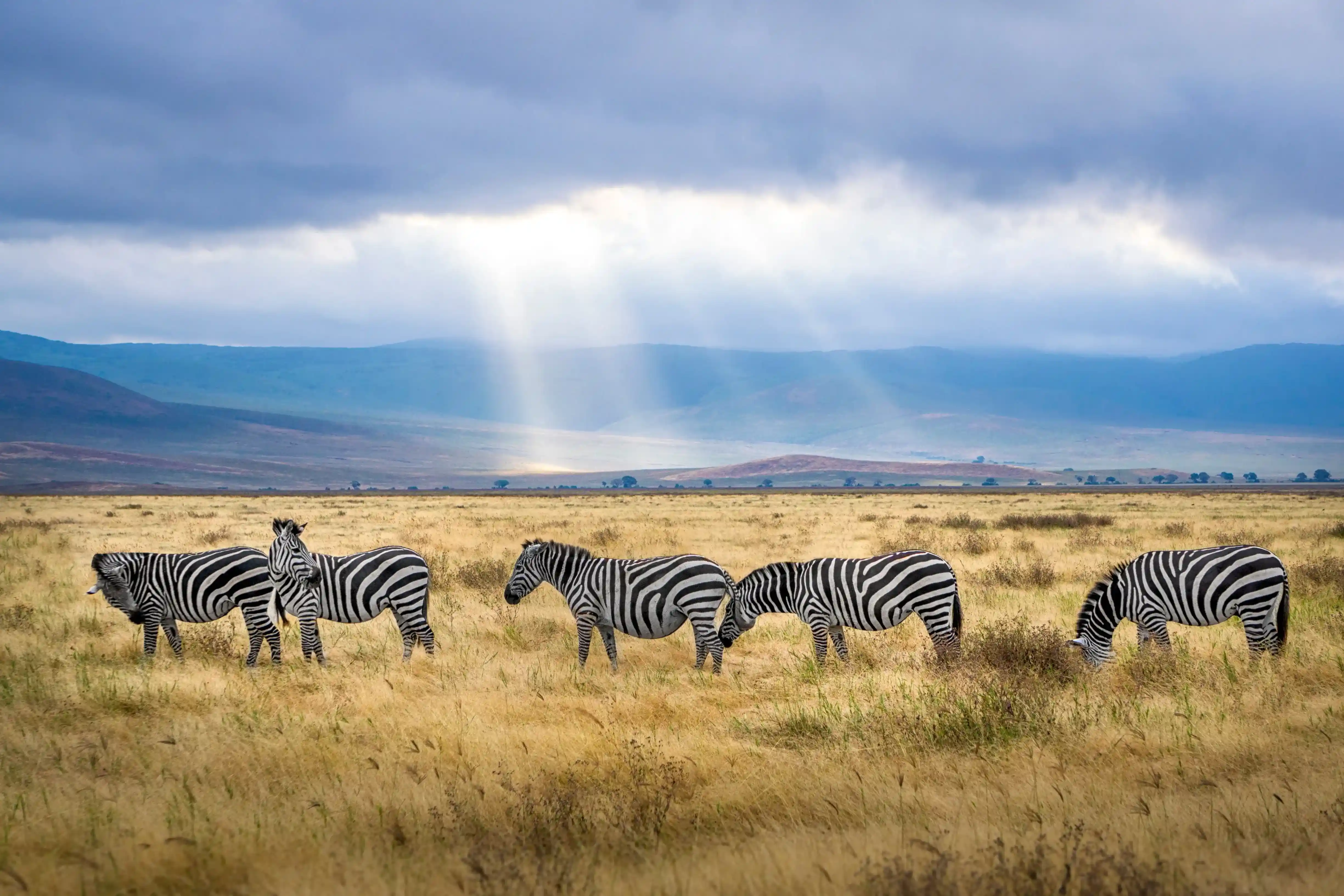
The crater's natural walls enclose an extraordinary density of wildlife — more animals per square kilometre than almost anywhere on Earth.
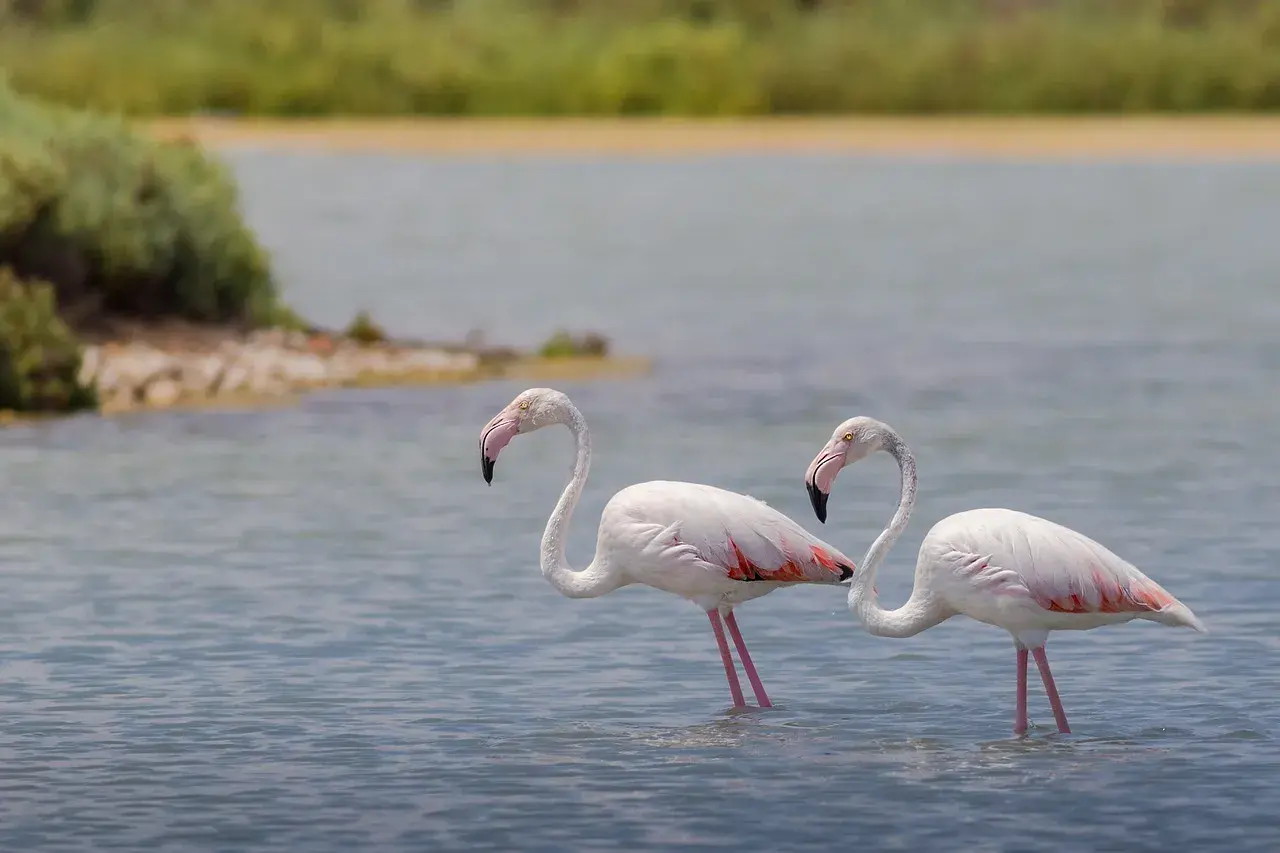
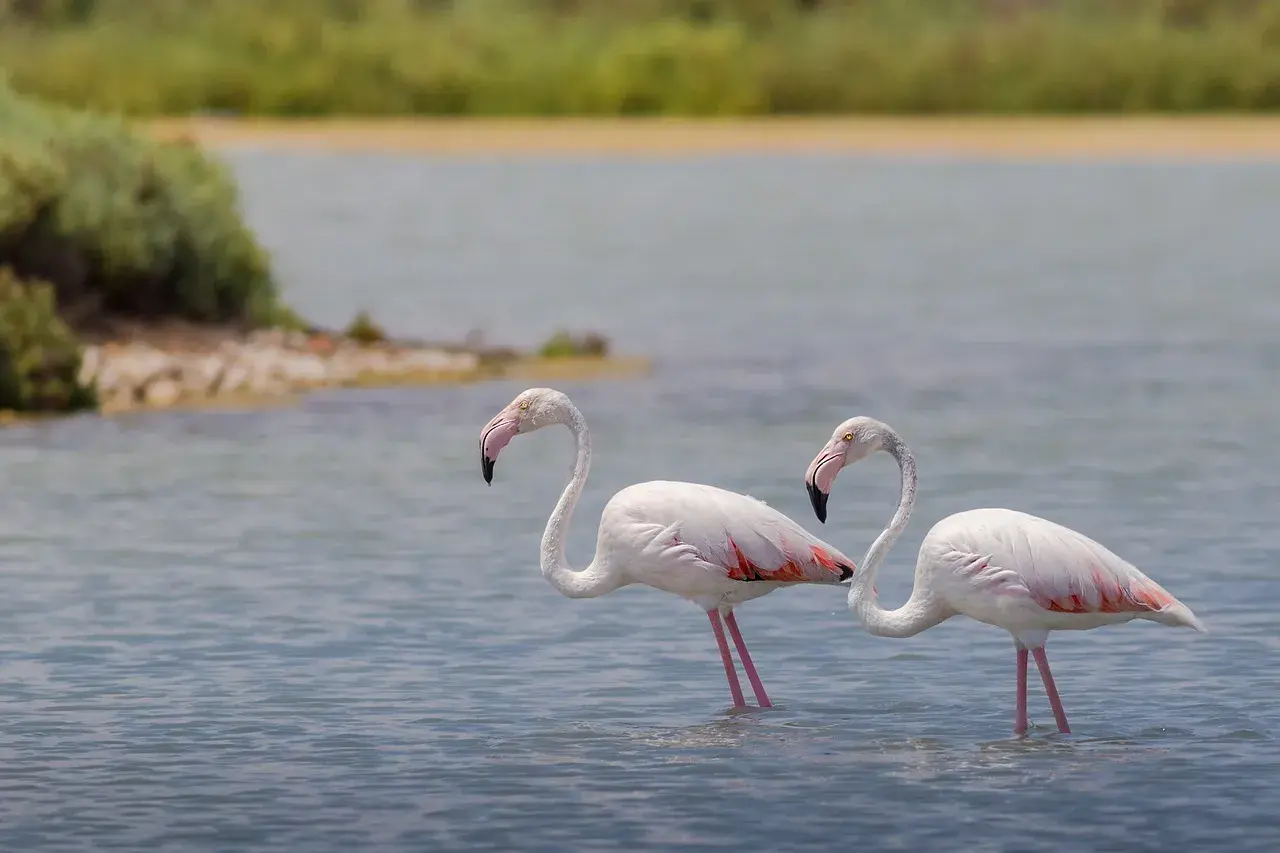
A lush groundwater forest and soda lake famous for tree-climbing lions, flamingo flocks, and over 400 recorded bird species.
Is this tour right for me?
Tour Seasons & Pricing
| Season | 1 Person | 2 Persons | 3 Persons | 4 Persons | 5 Persons | 6+ |
|---|---|---|---|---|---|---|
| Low Season Jan–Mar / Nov–Dec | $3,490 | $2,690 | $2,480 | $2,310 | $2,210 | On Request |
| Shoulder Season Apr–May / Oct | $3,850 | $2,990 | $2,760 | $2,580 | $2,460 | On Request |
| Peak Season Jun–Sep / 20 Dec–10 Jan | $4,590 | $3,690 | $3,400 | $3,190 | $3,040 | On Request |
* Prices per person in USD. Included: accommodation, game drives, park fees, full-board on safari days, airport transfers.
| Season | 1 Person | 2 Persons | 3 Persons | 4 Persons | 5 Persons | 6+ |
|---|---|---|---|---|---|---|
| Low Season | $4,490 | $3,590 | $3,330 | $3,110 | $2,960 | On Request |
| Shoulder Season | $4,990 | $4,020 | $3,710 | $3,480 | $3,310 | On Request |
| Peak Season | $5,990 | $4,890 | $4,520 | $4,250 | $4,050 | On Request |
| Season | 1 Person | 2 Persons | 3 Persons | 4 Persons | 5 Persons | 6+ |
|---|---|---|---|---|---|---|
| Low Season | $7,490 | $5,890 | $5,460 | $5,120 | $4,880 | On Request |
| Shoulder Season | $8,390 | $6,690 | $6,210 | $5,850 | $5,570 | On Request |
| Peak Season | $10,090 | $8,190 | $7,640 | $7,220 | $6,890 | On Request |
Day-by-Day Itinerary
Your Tanzania adventure begins the moment you land at Kilimanjaro International Airport (JRO). A Africa Endless Cruising representative will be waiting just beyond customs, holding a sign with your name — no shared shuttles, no waiting around for other guests, just a seamless private transfer straight into Arusha. The drive takes about an hour through lush Chagga farmland, with Mount Kilimanjaro often visible on clear mornings to the north, its snow-capped summit floating impossibly high above the clouds.
Arusha is the beating heart of East African safari culture — a lively, cosmopolitan city set at 1,400 metres against the dramatic backdrop of Mount Meru. The afternoon is entirely yours: recover from your flight, take a walk through the colourful central market, or simply settle into your hotel and enjoy a cold Kilimanjaro beer on the veranda.
In the evening, you'll sit down with your guide for a welcome dinner over Tanzanian cuisine. This is when the real magic begins — your guide will map out the nine days ahead, tell you what wildlife to expect by season across Tarangire, the Serengeti, Ngorongoro, and Lake Manyara, share insider tips on the best photography spots, and answer every question you've been saving since you booked. It's the moment the safari truly feels real.
After breakfast in Arusha, you head south toward Tarangire National Park — a park often skipped by shorter itineraries but treasured by those who include it. The drive is short and scenic, passing Maasai villages and farmland before the landscape opens into classic acacia woodland dotted with the swollen, ancient silhouettes of baobab trees, some over a thousand years old.
Tarangire is named for the river that cuts through its heart, and during the dry season this permanent water source draws one of the largest concentrations of elephants anywhere in Africa — herds of 100 or more are a common sight, bathing, drinking, and dust-bathing along the riverbanks. Your afternoon game drive follows the river corridor, where elephant families move unhurried between the baobabs and acacias.
Beyond elephants, Tarangire supports an impressive variety of wildlife: look for giraffe silhouetted against the baobabs at sunset, dwarf mongoose darting through termite mounds, and over 550 recorded bird species, including the striking yellow-collared lovebird. The day ends with sundowners overlooking the river as the swollen baobab trunks turn gold in the fading light.
Your final morning in Tarangire begins with a sunrise game drive — the cooler hours when wildlife is most active. The Tarangire River is again your focus: elephant matriarchs leading their families to drink, lions resting in the shade of acacia thickets after a night's hunt, and the occasional python coiled in a riverbed tree. Tarangire's swamps, visible from the higher ridges, often hold buffalo herds numbering in the hundreds during the dry months.
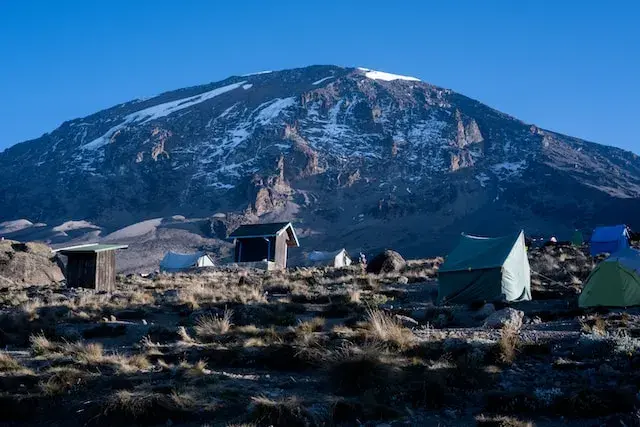
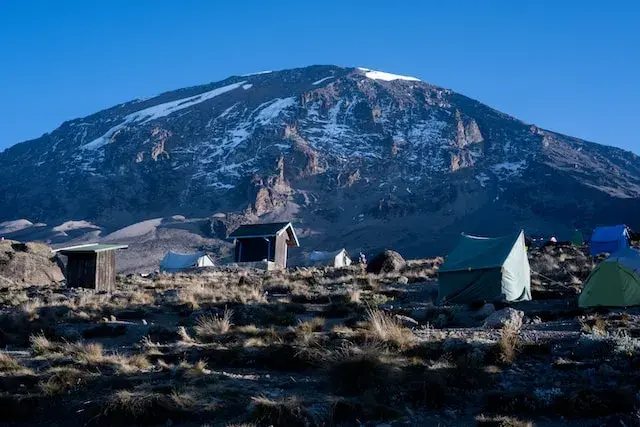
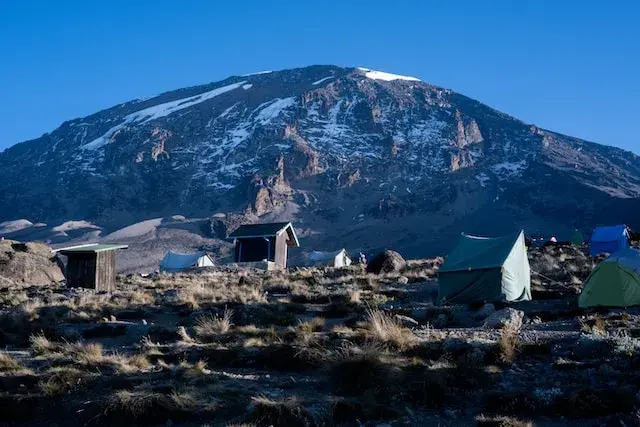
After a late breakfast, you depart for the Serengeti, a long and scenic drive that takes you back through Maasai grazing lands and across the floor of the Great Rift Valley. A bush picnic lunch is served en route, often with sweeping views over Lake Manyara's escarpment in the distance — a preview of what's still to come on Day 9.
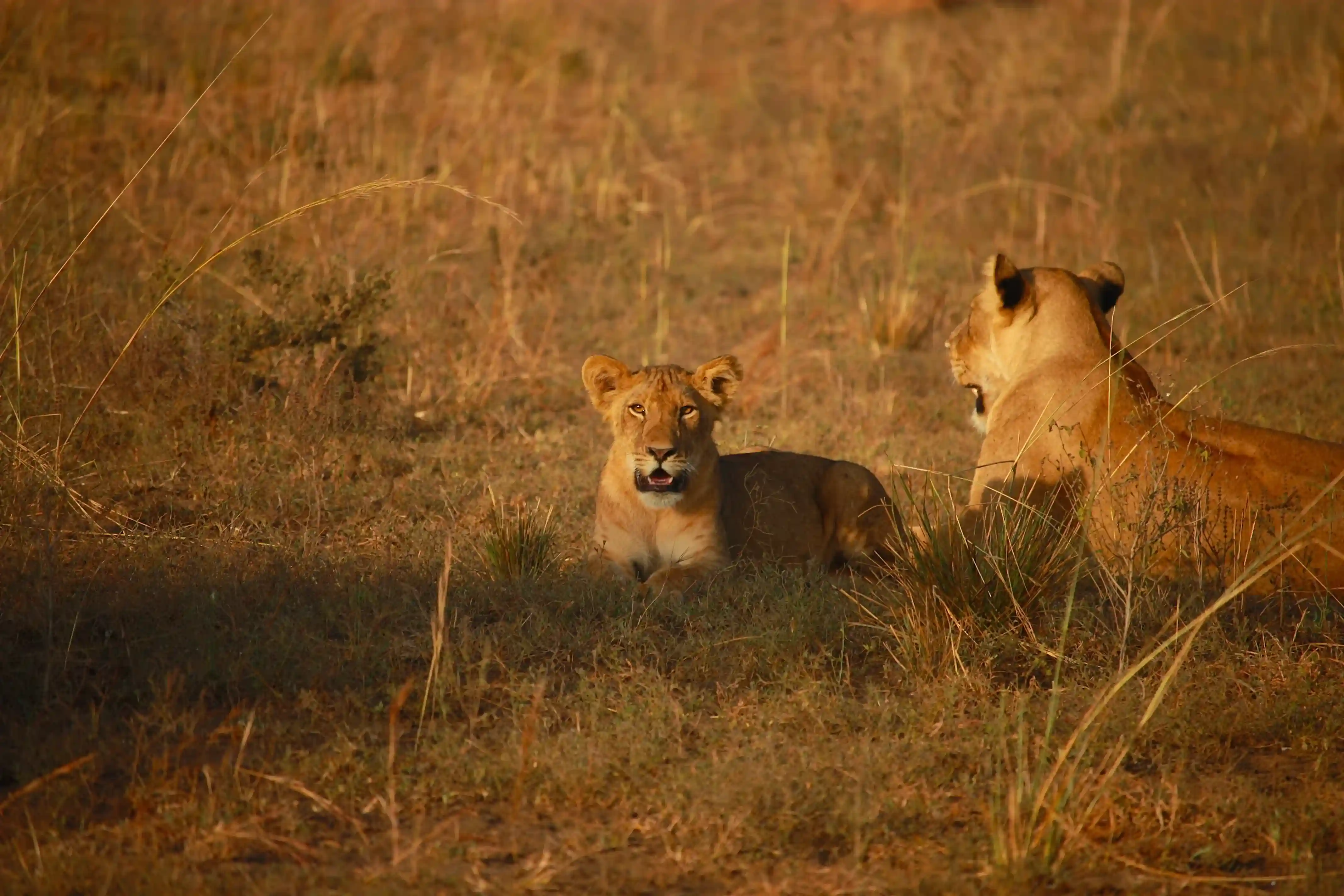
By late afternoon, you cross through the Naabi Hill Gate into the Serengeti proper, the landscape transforming into the famous endless golden plains. A short evening game drive on arrival often turns up your first lion pride or cheetah of the trip, before you settle in to camp for a welcome dinner under the stars.
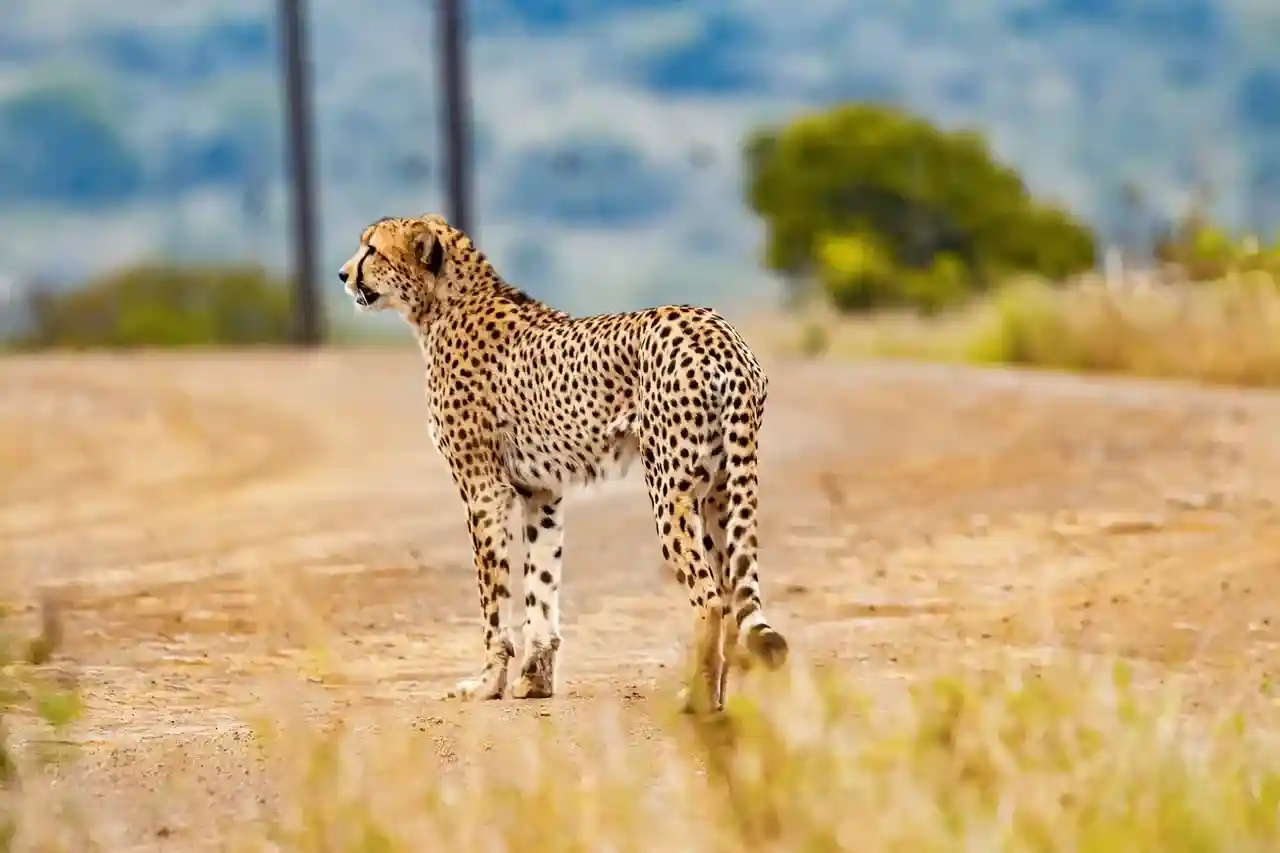
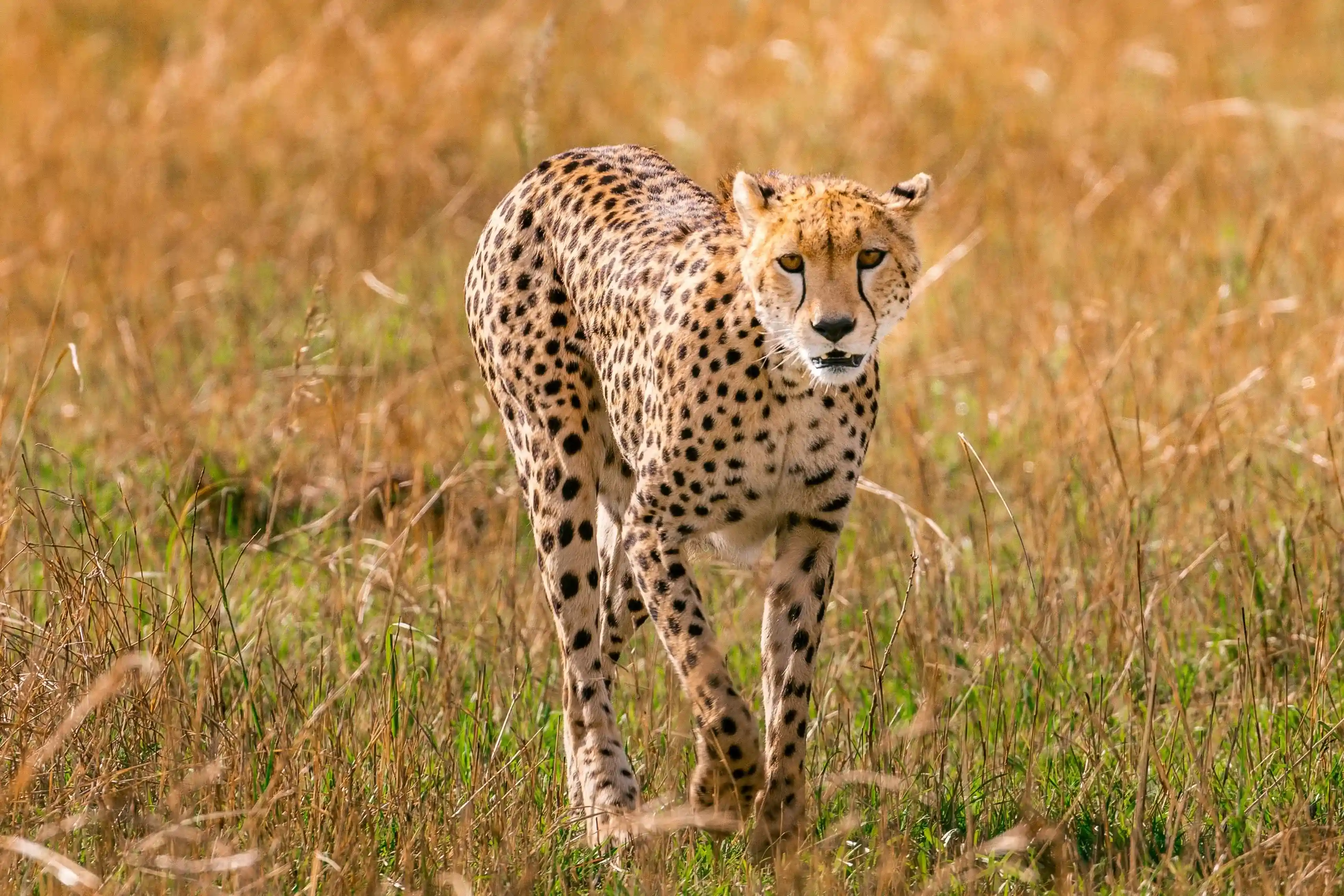
This is the day many guests call the highlight of the entire trip. You're up before sunrise — the cool pre-dawn air sharp with the smell of dust and wild grass — and out of camp as the first light breaks across the plains. The Serengeti at first light is extraordinary: predators returning from night hunts, cheetah mothers on elevated termite mounds scanning for prey, and dew-silvered spider webs between the acacia thorns catching the earliest sunrays.
The Grumeti River area is your morning focus — a shaded, riverine corridor where leopards are commonly spotted draped along the branches of fig trees, waiting motionless for the perfect moment to strike. Depending on the month, you may witness one of nature's most dramatic spectacles: the Great Migration wildebeest river crossings, where hundreds of thousands of animals plunge into crocodile-filled waters in an act of collective courage that never loses its power, no matter how many times your guide has seen it.
Midday brings a bush picnic under a shade tree — a proper spread of sandwiches, salads, and cold drinks laid out on the bonnet of the vehicle while elephants graze at a respectful distance. The afternoon drive continues south through the Seronera, before returning to camp for sundowners around the fire and an optional short night drive to spot nocturnal species: aardvark, spring hare, African civet, genet, and the glowing eyes of bushbaby in the acacia canopy above.
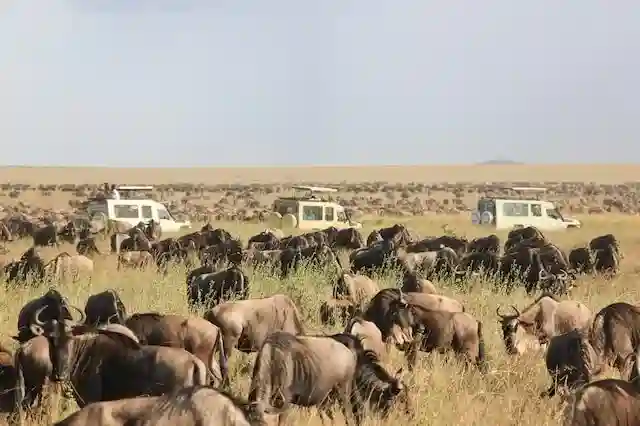
With a third day to explore, your guide takes you further afield to chase whatever the Serengeti is offering that week — whether that means tracking the migrating herds toward the Mara River in the north, or exploring the riverine forests of the Western Corridor where the Grumeti River hosts enormous Nile crocodiles. This flexibility is one of the biggest advantages of a longer Serengeti stay: you're not locked into one corner of the ecosystem.
Granite kopjes scattered across the plains are a highlight of this day — these ancient rock outcrops, made famous as "Pride Rock" in popular culture, are favourite lookout points for lion prides and offer some of the best photographic backdrops anywhere in Tanzania. Your guide knows the resident pride territories well and will time your visit for when the cats are most active.
By now you'll have a real feel for the rhythm of the Serengeti — the way the light changes through the day, how to read tracks and behaviour cues your guide points out, and the particular thrill of a horizon with nothing but grass and game in every direction. The day closes with a final sundowner on the plains before returning to camp.
There's something bittersweet about the last golden-hour drive through the Serengeti — you know you're leaving, and yet the plains still manage to surprise you. Dawn game drives on this day are almost always productive, as nocturnal hunters haven't yet retreated fully: lions linger on warm rocks, jackals pick through abandoned carcasses, and the open plains shimmer with the ghostly movement of thousands of zebra.
After a late brunch at camp and a full pack-up, you drive east toward the Ngorongoro Conservation Area. The landscape shifts dramatically as you climb — from sun-baked grassland into dense highland forest, montane moorland draped in mist, and finally the cool, cedar-scented air of the crater rim at 2,286 metres. The first view of Ngorongoro Crater stops almost everyone in their tracks: a perfectly preserved caldera stretching 20 kilometres across, its floor a mosaic of grassland, forest, and soda lake teeming with life.
Your lodge perches right on the crater's edge. Dinner is served as the sun sets across the caldera, painting the floor below in amber and rose. Temperatures drop sharply after dark at this altitude, and most lodges keep log fires burning in the common areas — pull on a fleece and enjoy the spectacle of the Milky Way arching over the ancient volcano.
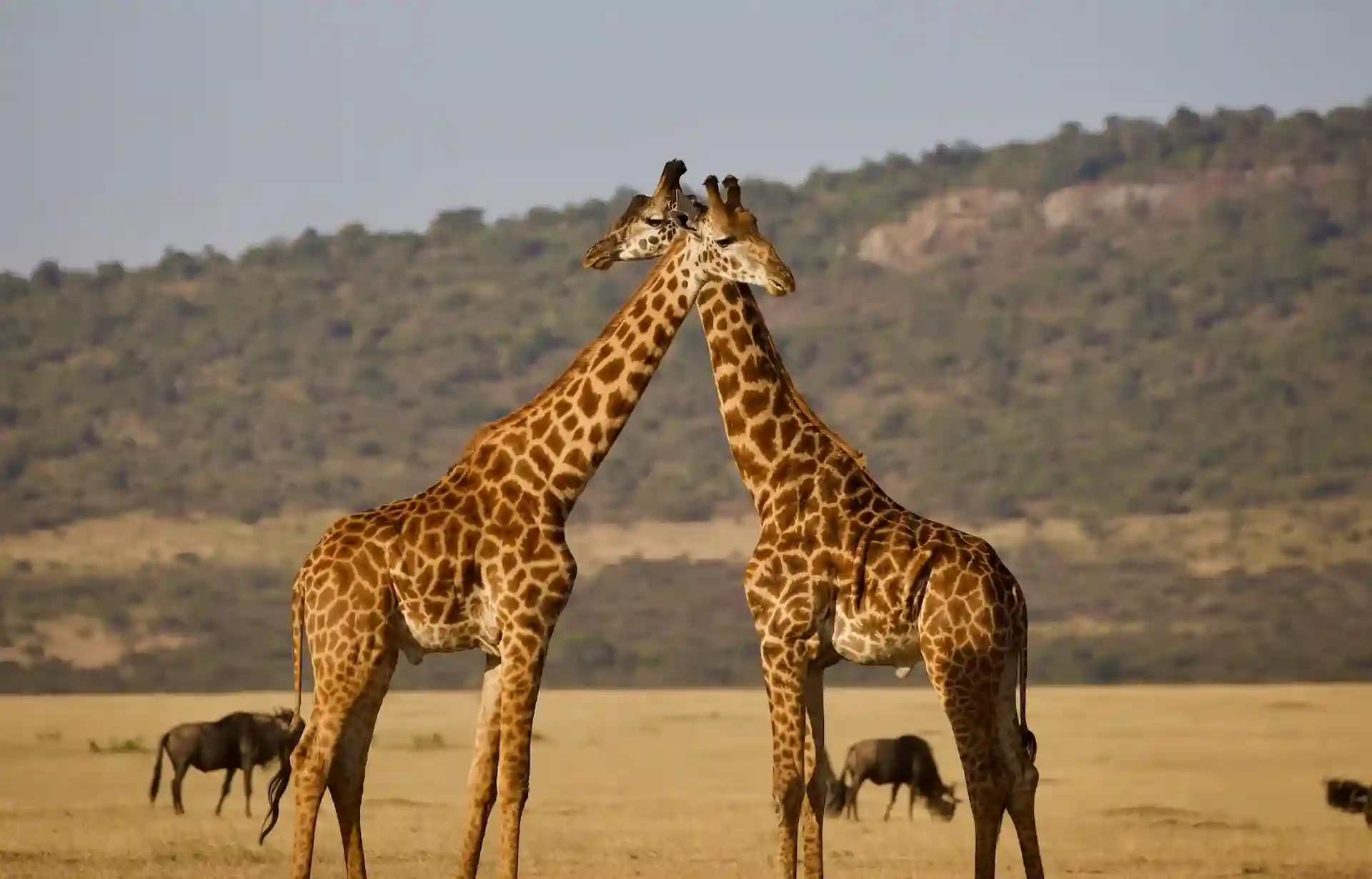
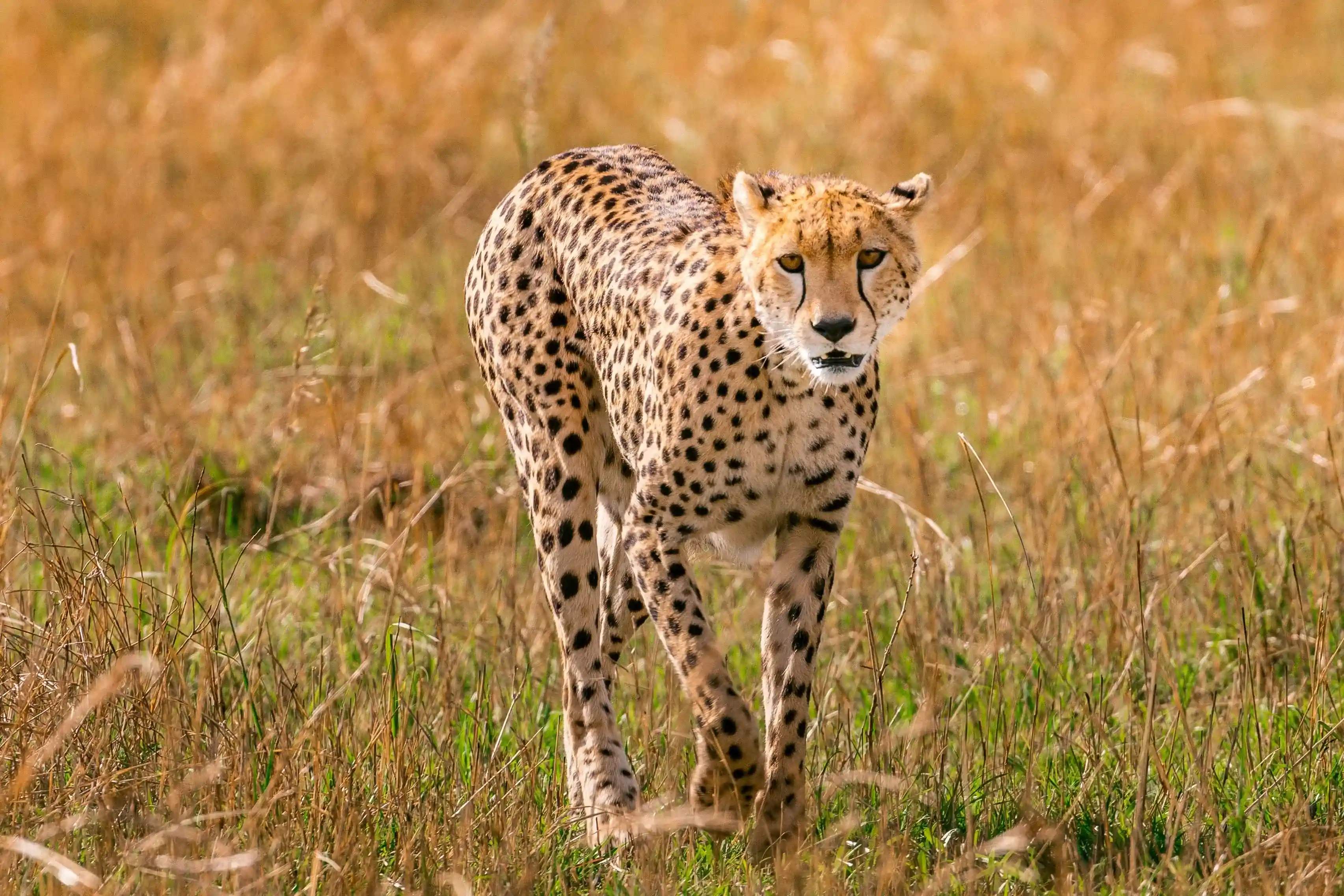
Ngorongoro Crater is one of the world's most extraordinary wildlife environments — a 260 km² collapsed volcano that functions as a natural enclosure for over 25,000 large animals. Your descent begins early, winding down the steep crater wall through misty highland forest, emerging onto the vast crater floor as the sun climbs above the rim above you. Wildlife sightings here are essentially guaranteed: the density of animals — lion, elephant, hippo, wildebeest, zebra, flamingo — is unlike anything in the open Serengeti.
The morning drive takes you to the Lerai Forest, one of the last refuges in Tanzania for the critically endangered black rhinoceros. Your guide will position the vehicle patiently, giving you time to observe these magnificent animals grazing undisturbed in the understorey. The shallow soda lake at the crater's centre is frequently tinged pink by thousands of lesser flamingos, and lion prides often patrol its muddy edges alongside the hippo pools.
A picnic lunch is served beside the lake — a uniquely Tanzanian ritual with the sounds of the crater all around you. By mid-afternoon you climb back up to the rim, the crater growing smaller below you as you rise, before continuing on to Lake Manyara for the final stage of your journey. Dinner is served at your lodge on the edge of the Rift Valley escarpment, with the lake shimmering far below as the sky turns gold.
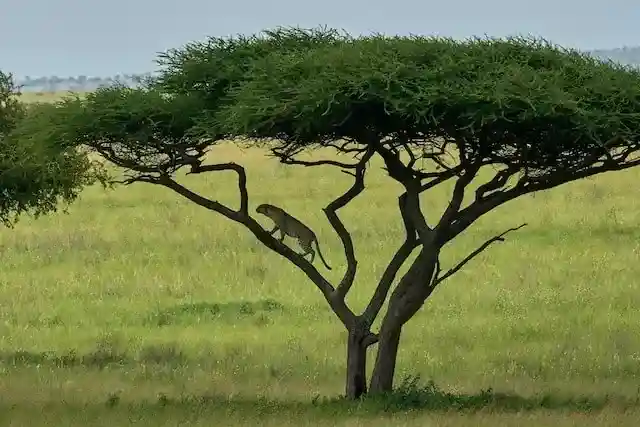
After breakfast on the escarpment, you descend into Lake Manyara National Park — small in size but extraordinarily varied in habitat, packed into a narrow strip between the Rift Valley wall and the soda lake itself. The park opens with a dense groundwater forest of mahogany and fig trees, fed year-round by underground springs seeping from the escarpment, where troops of blue monkey and olive baboon move through the canopy and forest elephants browse in dappled shade.
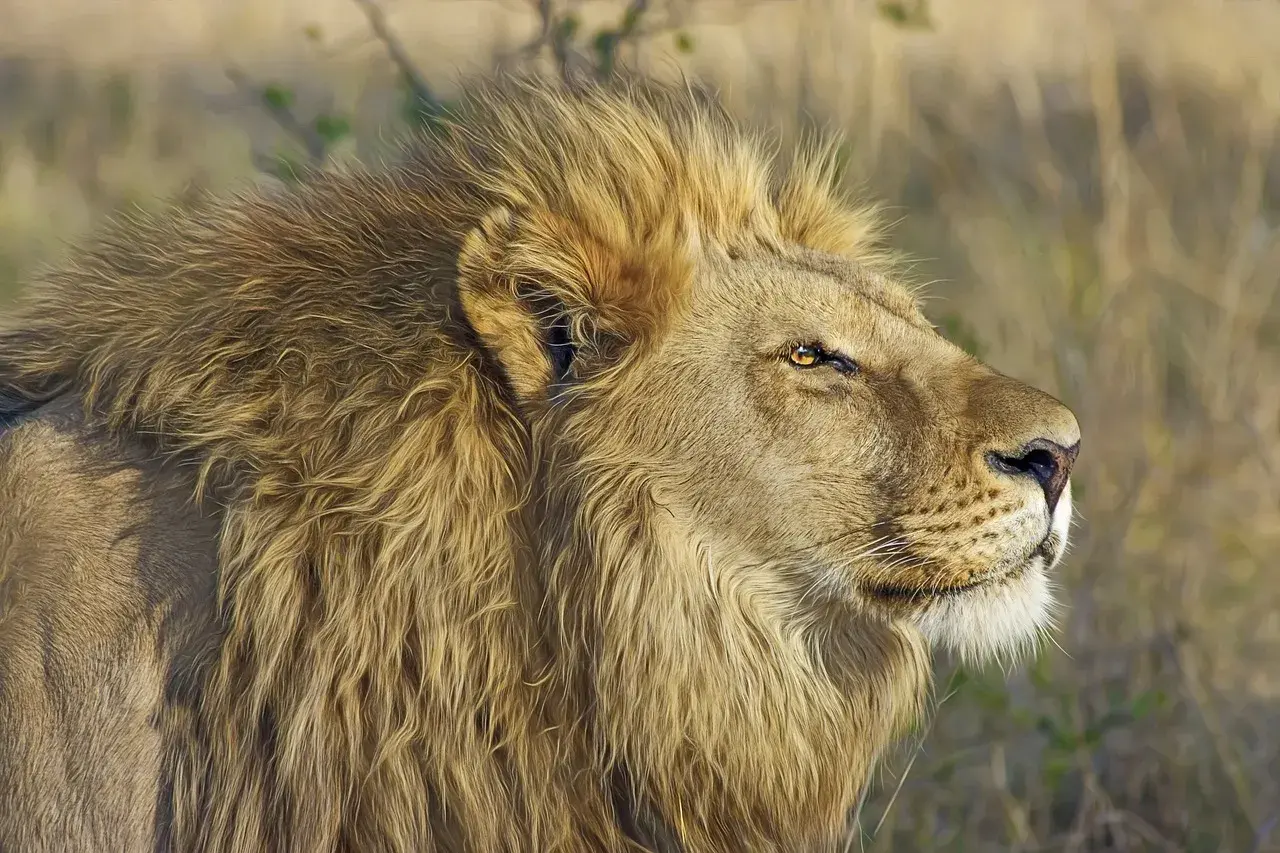
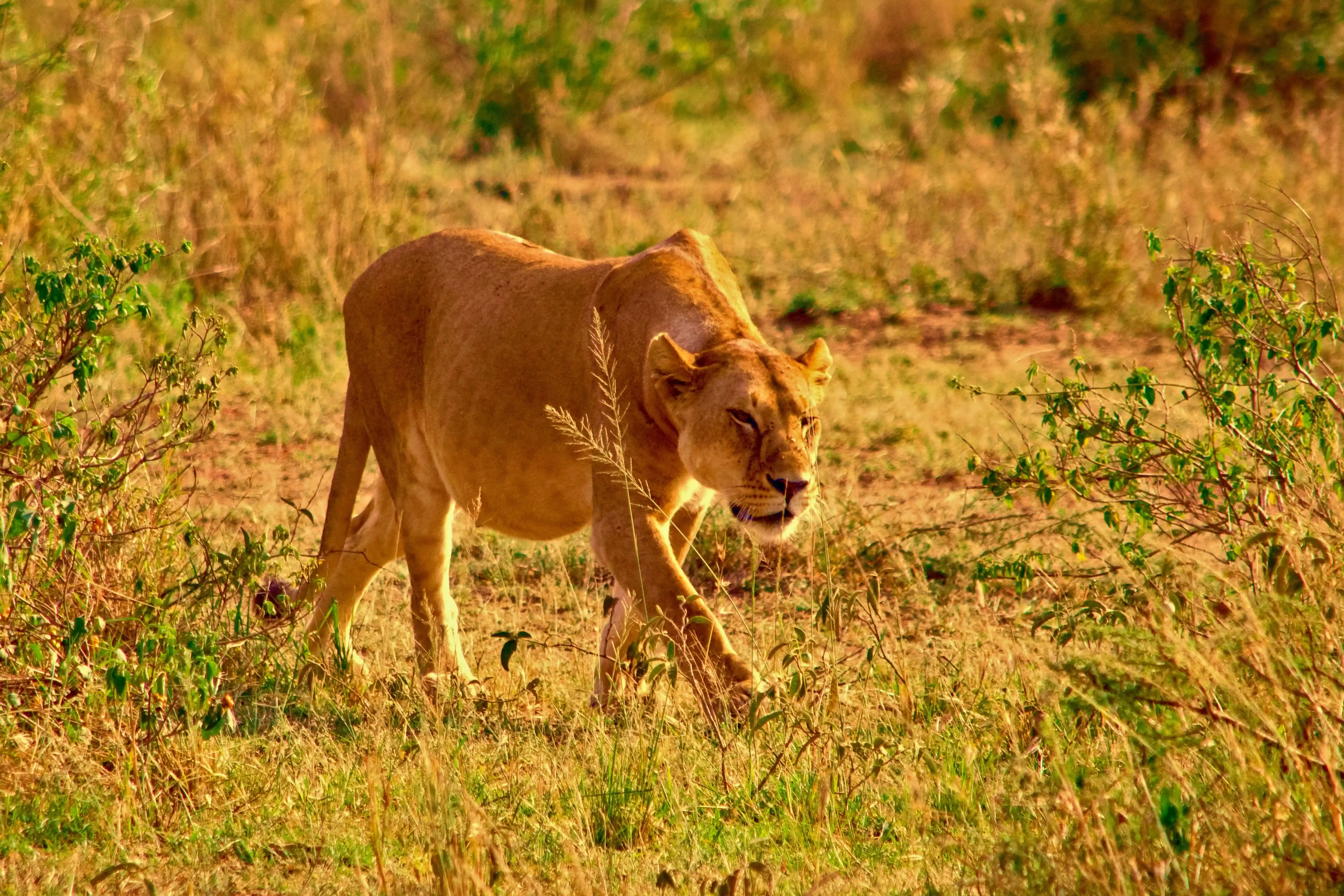
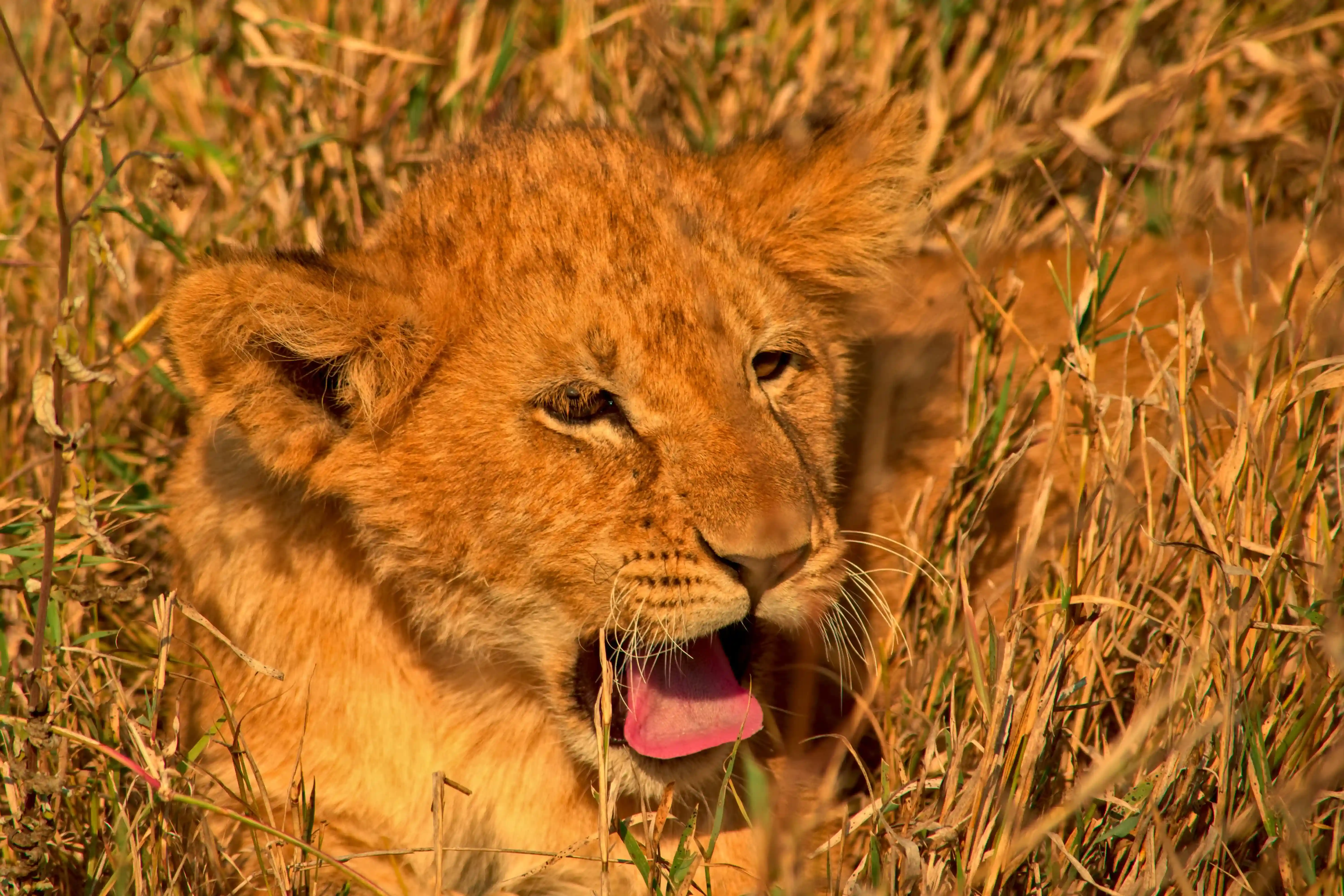
Lake Manyara is famous above all for its tree-climbing lions — one of only two populations in Africa known to regularly rest draped along horizontal acacia branches, a behaviour still debated among researchers (escaping biting flies and the heat of the grass below are the leading theories). Your guide will scan the acacia woodland systematically, and patient looking is often rewarded with a lion or two sprawled languidly overhead.
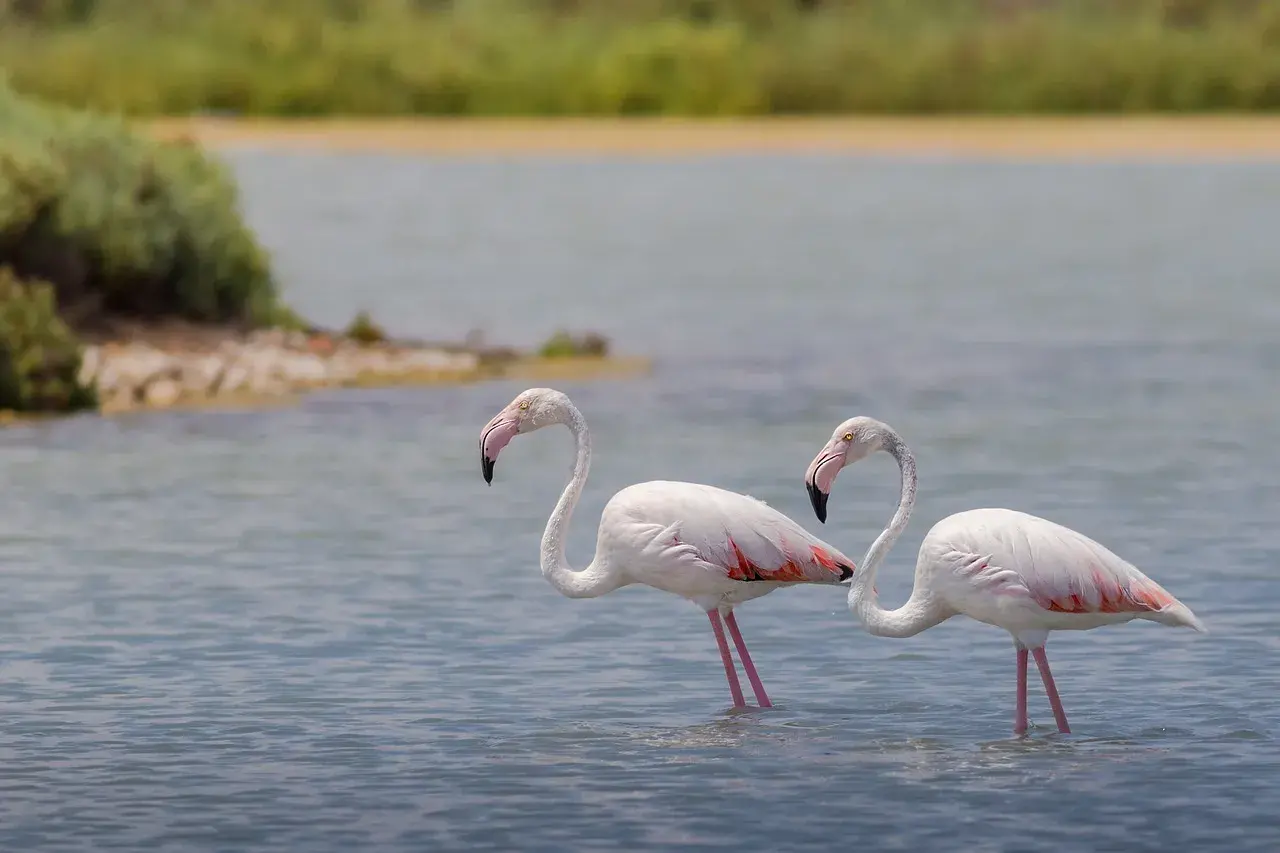
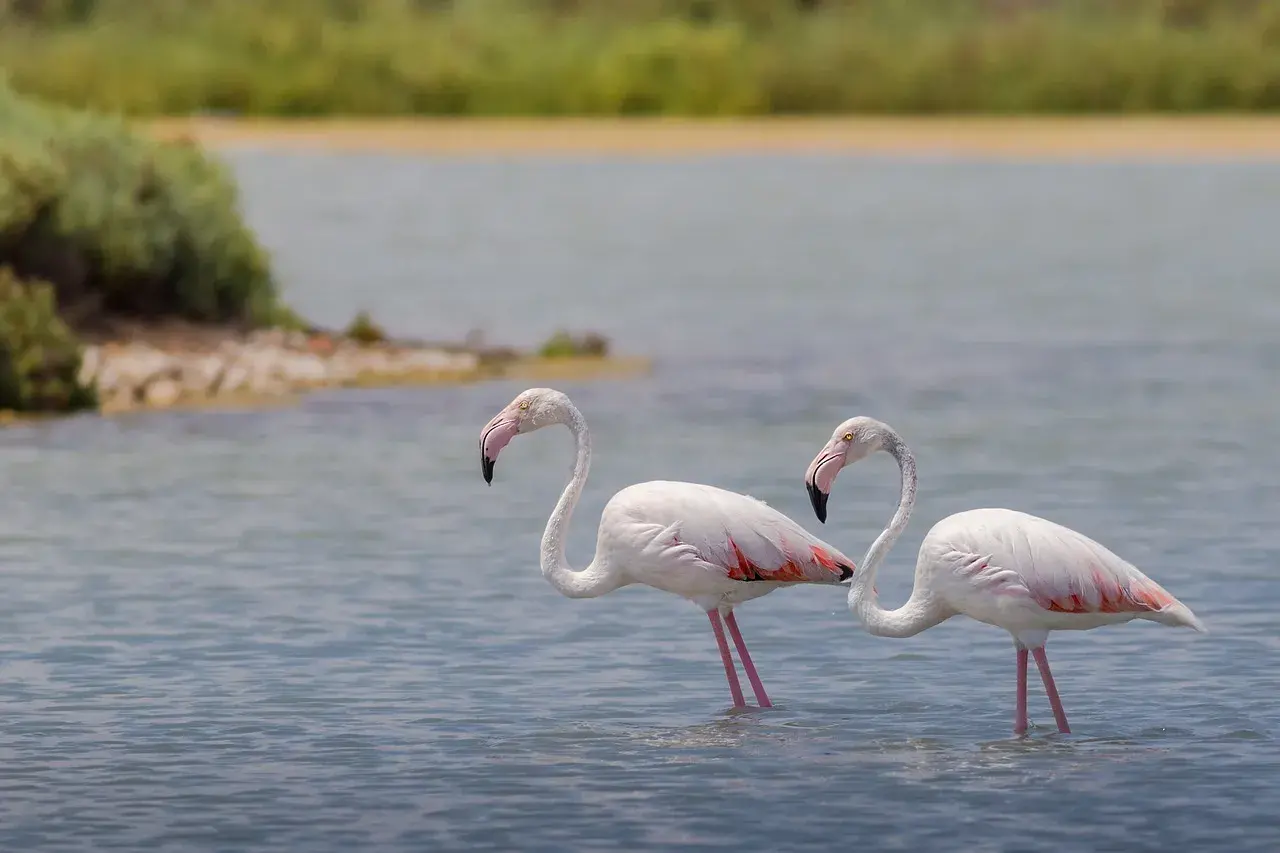
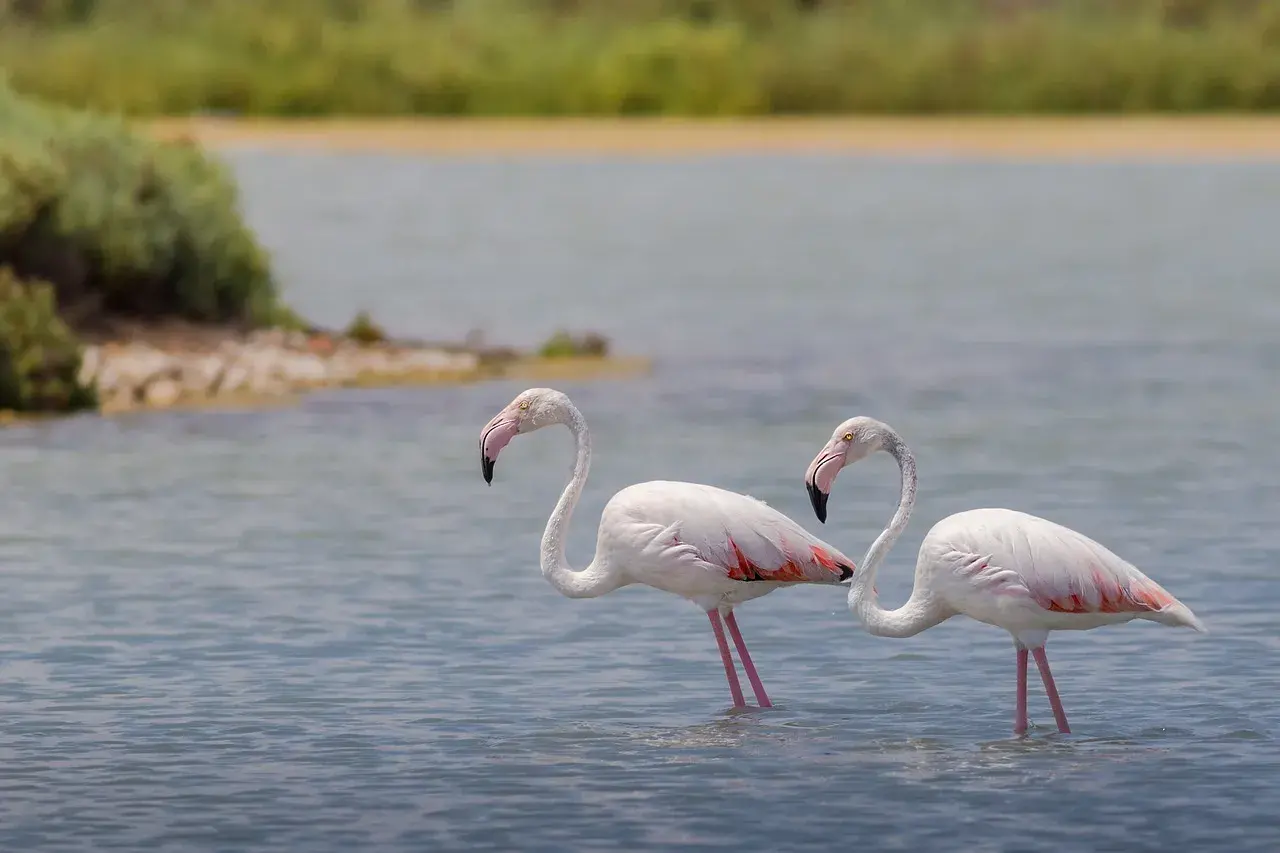
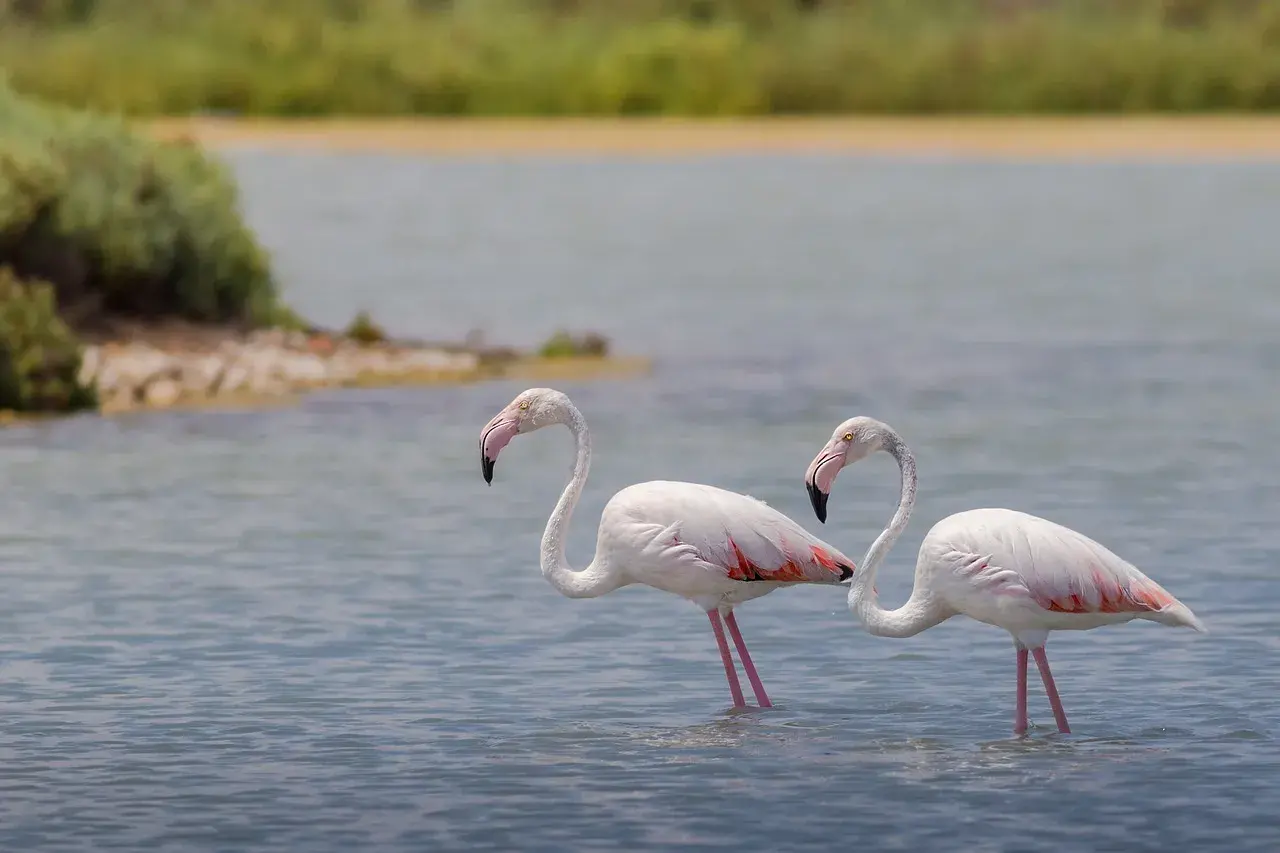
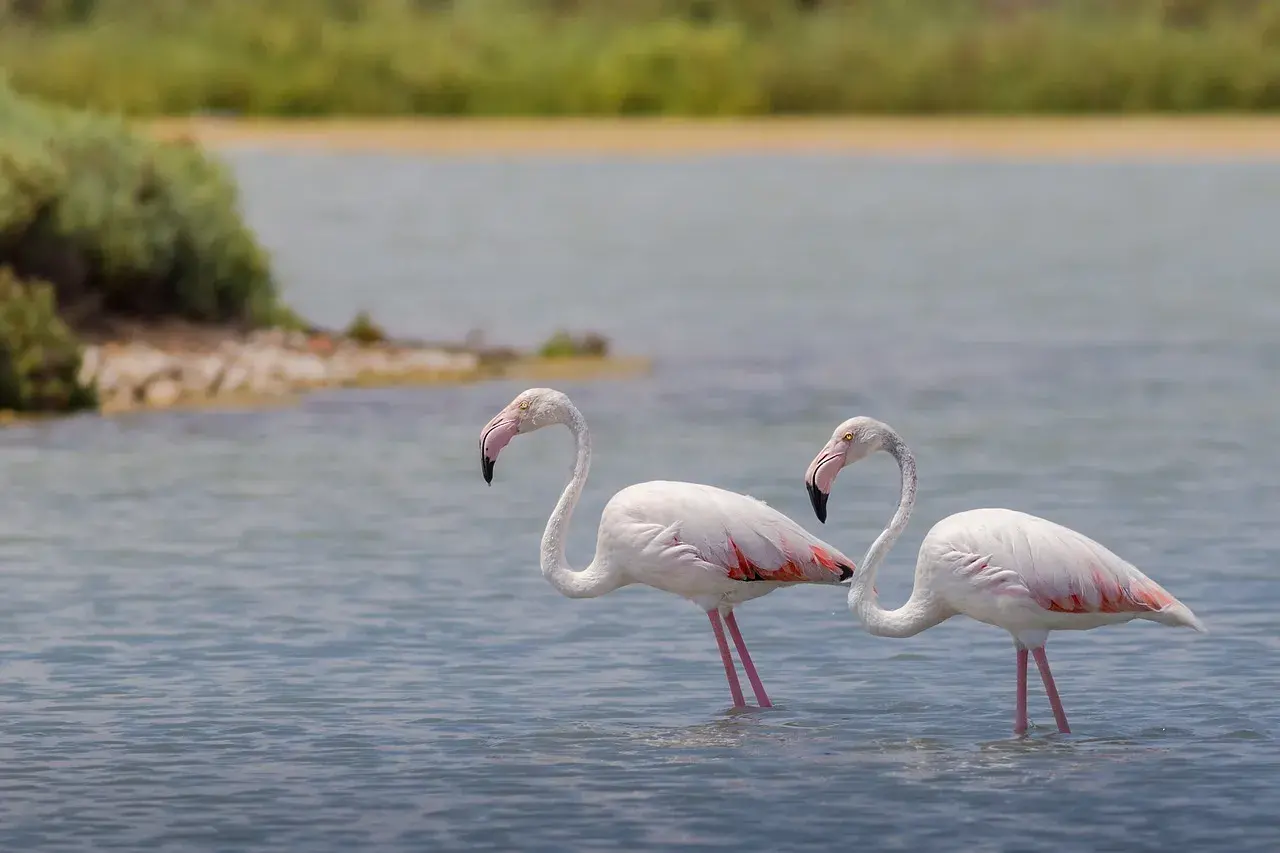
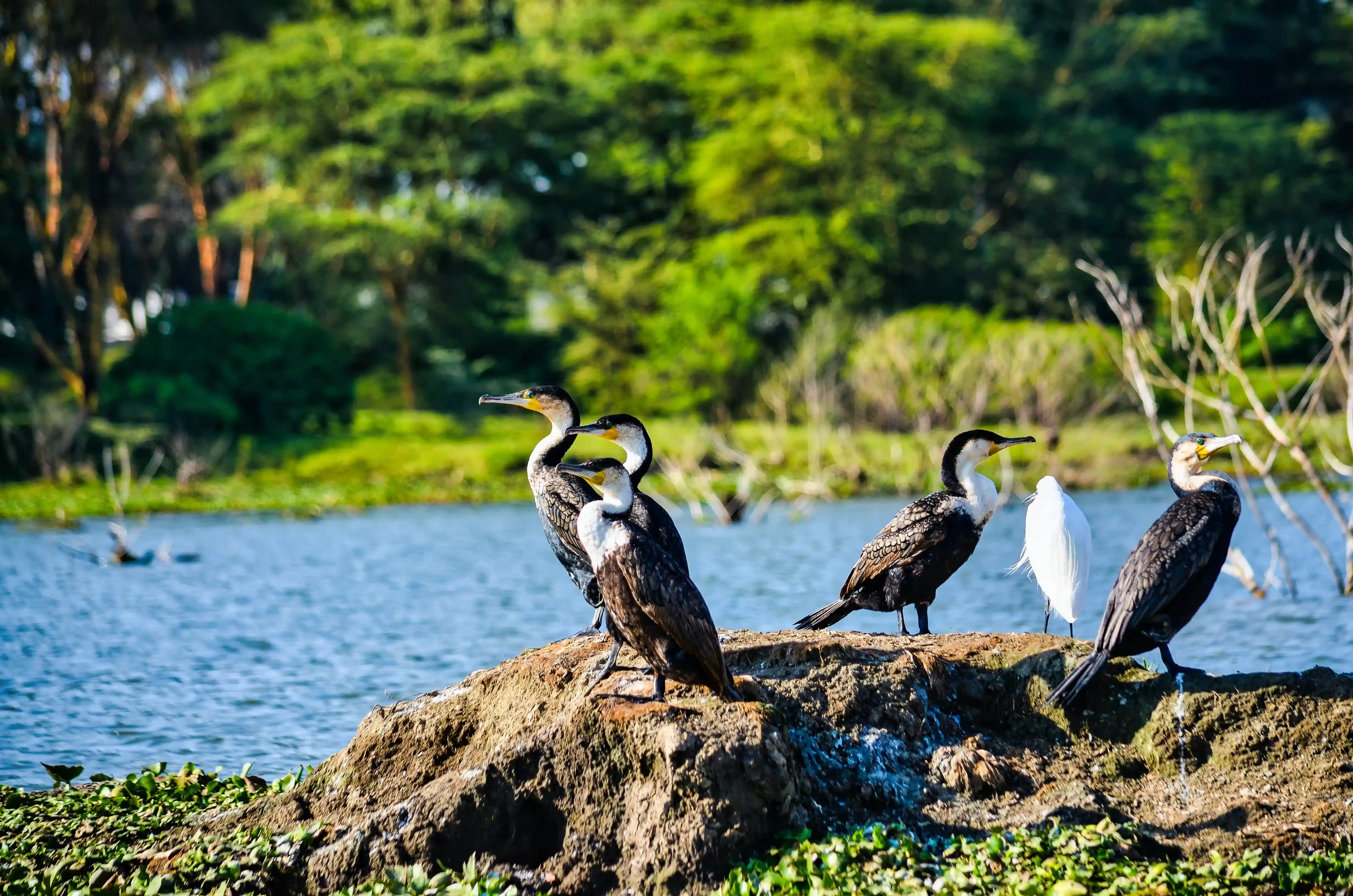
The shallow alkaline lake itself, when water levels allow, often hosts vast pink flocks of lesser flamingo alongside pelican, stork, and spoonbill — part of the more than 400 bird species recorded in the park, among the highest counts of any reserve in Africa. A picnic lunch beside the lake's edge gives way to an afternoon drive through the grassy floodplain, before returning to your lodge on the escarpment for a final night overlooking the Rift Valley.
Your last morning in Tanzania deserves to be savoured. Depending on your flight time, an optional final game drive into Lake Manyara is a fitting send-off — one last chance to scan the acacia branches for those famous tree-climbing lions, or to watch flamingos lift off the soda lake in great pink clouds as the morning mist burns away from the Rift Valley wall.
When the time comes, your private transfer climbs back up through the Rift Valley escarpment and across to Kilimanjaro International Airport (JRO), timed exactly to your flight — no rushing, no stress. Our team will have coordinated every detail, from your bags being collected at the lodge to your boarding gate confirmed in advance. As you lift off and watch Mount Kilimanjaro and the Rift Valley shrink below, nine days of elephants, migrating herds, ancient craters, and tree-climbing lions will leave you with something difficult to put into words — the kind of trip you'll be telling stories about for the rest of your life.
From baobab plains to the floor of the Great Rift Valley — all private, all seamless.
What's Included & Excluded
Included in Your Tour
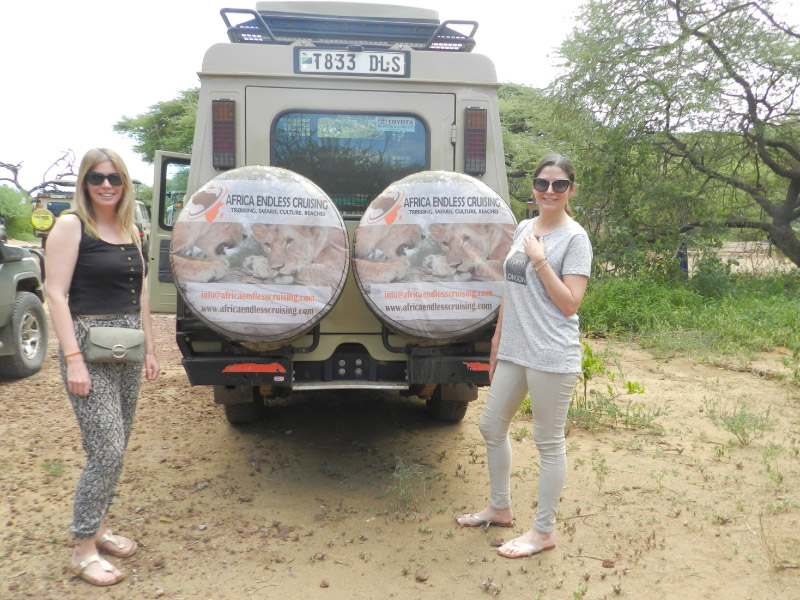
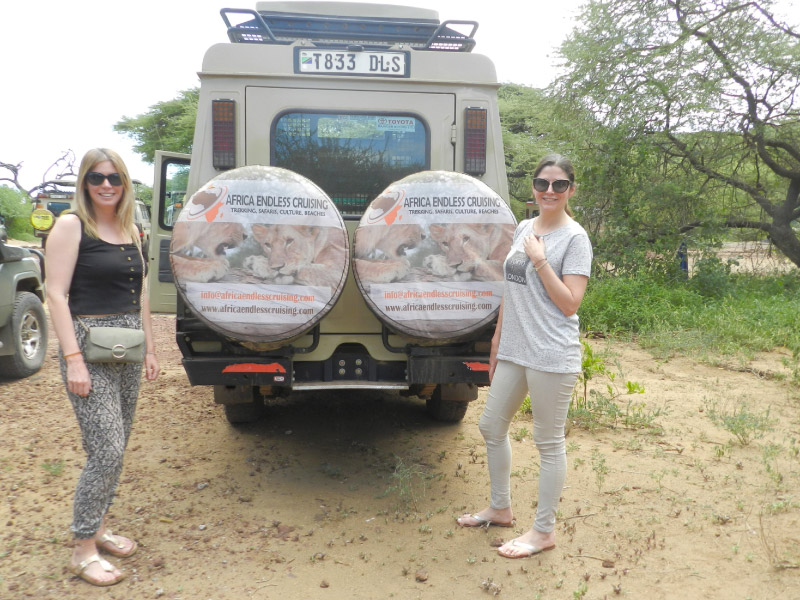
Each Africa Endless Cruising safari uses a dedicated 4×4 Land Cruiser customized for Tanzania's terrain. The roof hatch opens fully for panoramic wildlife viewing and photography.
- Pop-up roof for 360° viewing
- Ergonomic cushioned seats (max 6 guests)
- Built-in mini fridge stocked with water and soft drinks
- USB and 12V charging ports
- High-quality binoculars (one pair per guest)
- In-vehicle Wi-Fi (available in ~70% of coverage areas)
All lodges and camps listed in your chosen tier (Explorer, Signature, or Premium) are fully included. All accommodations are en-suite and full-board for the duration of the safari.
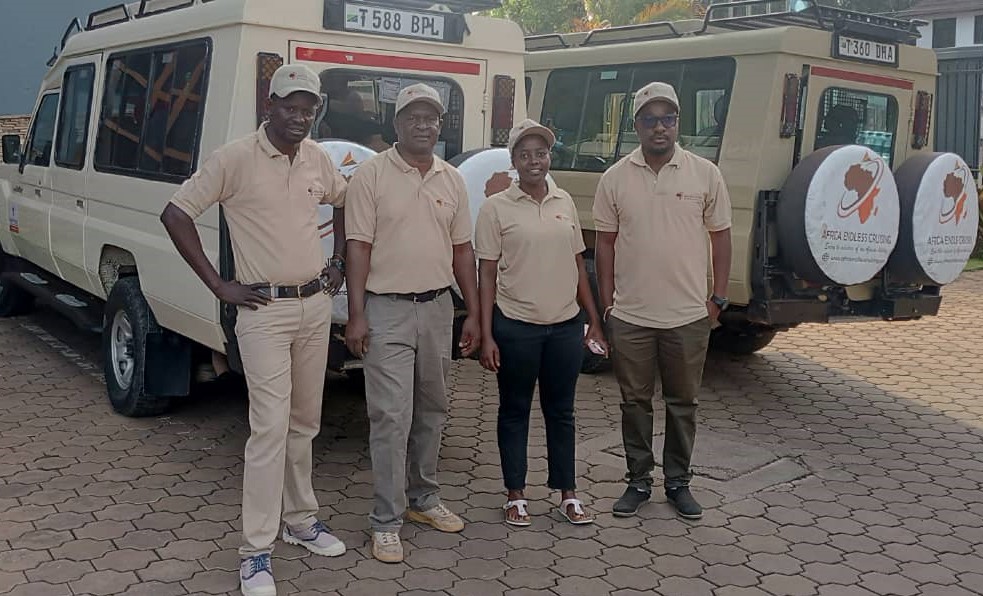
Your guide is a certified Tanzanian Wildlife Authority professional with a minimum of 8 years of guiding experience, fluent in English and knowledgeable in animal behavior, birds, local history, and Swahili culture.
All TANAPA and NCAA fees are pre-paid and included in your tour price. No surprise charges at park gates.
Round-trip airport transfers from/to Kilimanjaro International Airport (JRO) are included. The entire 9-day route between Tarangire, Serengeti, Ngorongoro, and Lake Manyara is covered by road in your private 4×4 — no domestic flights required.
In the unlikely event of a medical emergency, all Africa Endless Cruising safaris include emergency air evacuation to the nearest appropriate medical facility throughout Tanzania's national parks.