6-Day Tarangire, Serengeti & Ngorongoro Safari
This 6-day safari is Tanzania's northern circuit at its finest — three iconic parks, five nights in the bush, and a depth of wildlife experience that shorter itineraries simply cannot deliver. The journey begins in Tarangire National Park, a vast and under-rated wilderness crowned by ancient baobab trees and home to Africa's highest concentration of elephants outside Botswana. Enormous herds of up to several hundred animals move through the park's river valleys, alongside lions, leopards, cheetahs, and the rare oryx and gerenuk.
From Tarangire you travel north into the legendary Serengeti National Park, where three full days give you the time to truly immerse yourself — tracking the seasonal movements of the Great Migration, spending hours with lion prides and cheetah families, and experiencing the deep quiet of the Serengeti at dawn. The journey concludes with a descent into the Ngorongoro Crater, the world's largest intact volcanic caldera, where an extraordinary density of wildlife — including the rare black rhino — roams within its ancient walls.
Your private group travels throughout in a custom 4×4 Land Cruiser with a pop-up roof hatch. An expert naturalist guide accompanies you from start to finish, offering deep insights into animal behaviour, local ecology, and the traditions of the Maasai people whose ancestral lands border every park on this route.
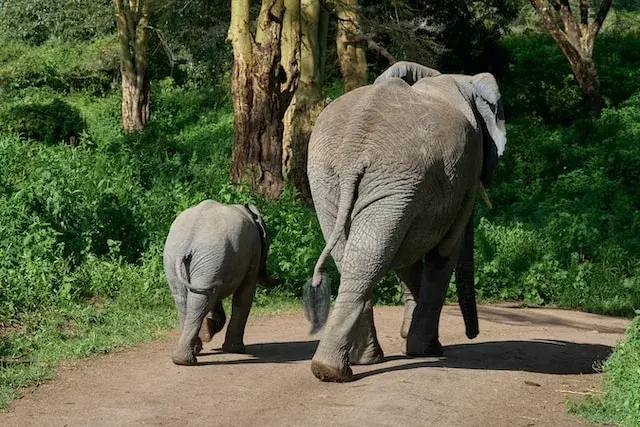
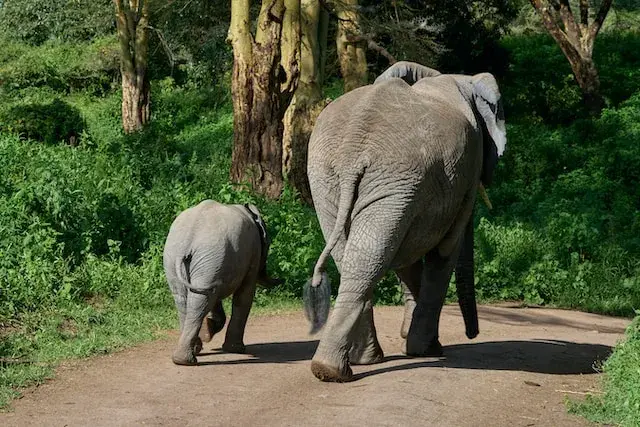
Tarangire hosts Africa's largest elephant congregations outside of Botswana — hundreds strong, moving in family units through baobab-studded woodland and along the life-giving Tarangire River. Witnessing them at close range from your Land Cruiser is an unforgettable introduction to the safari.
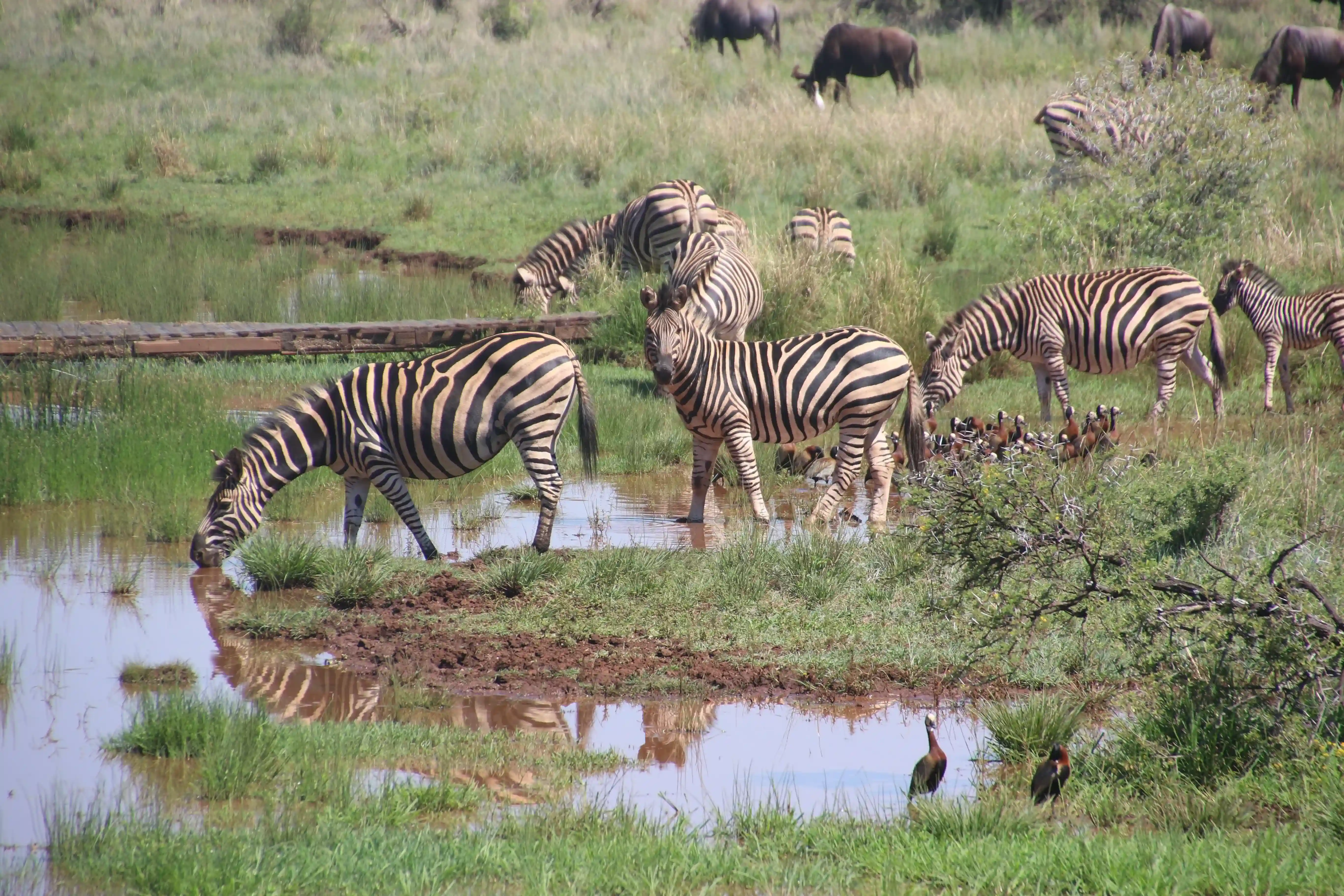
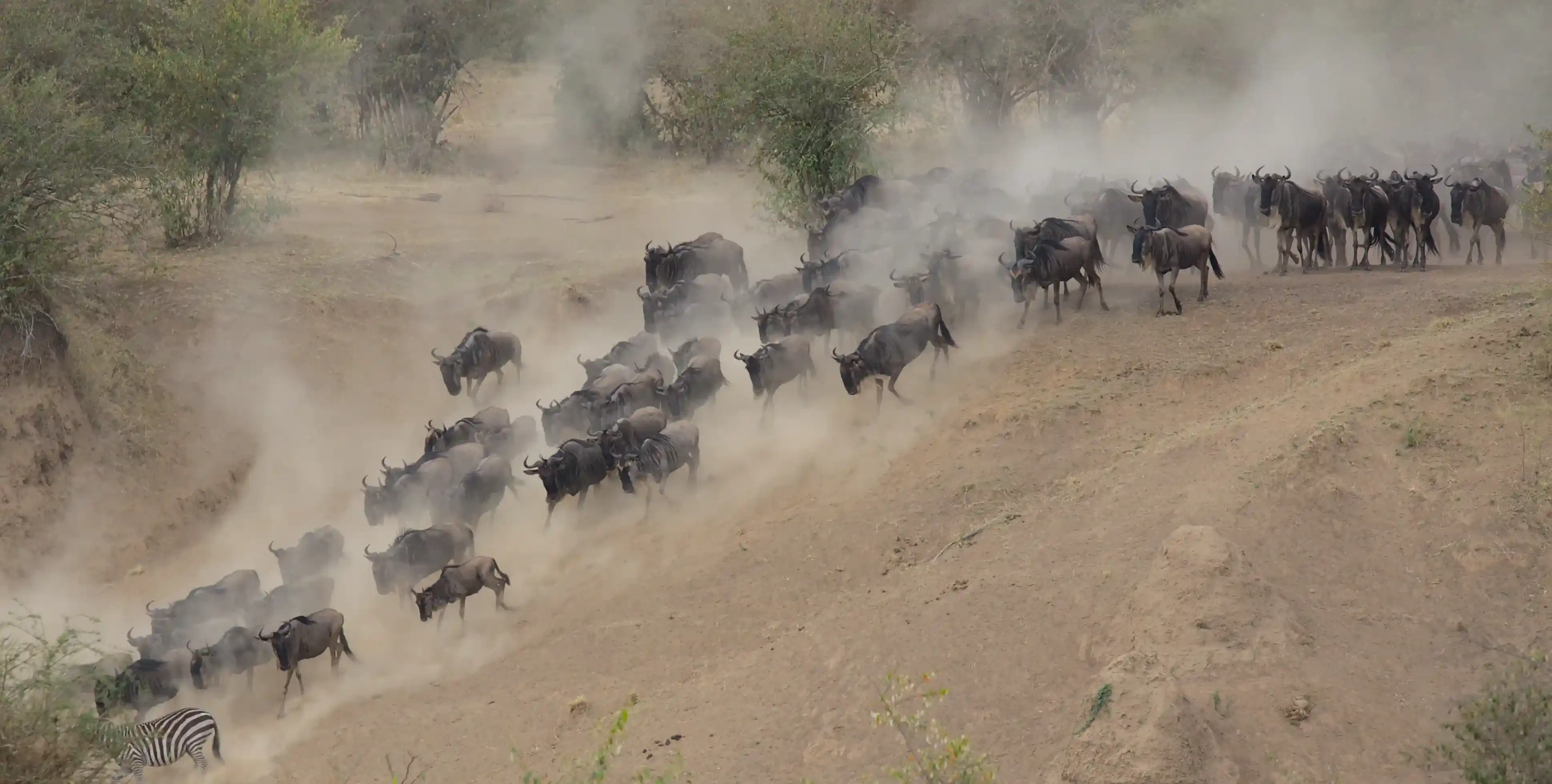
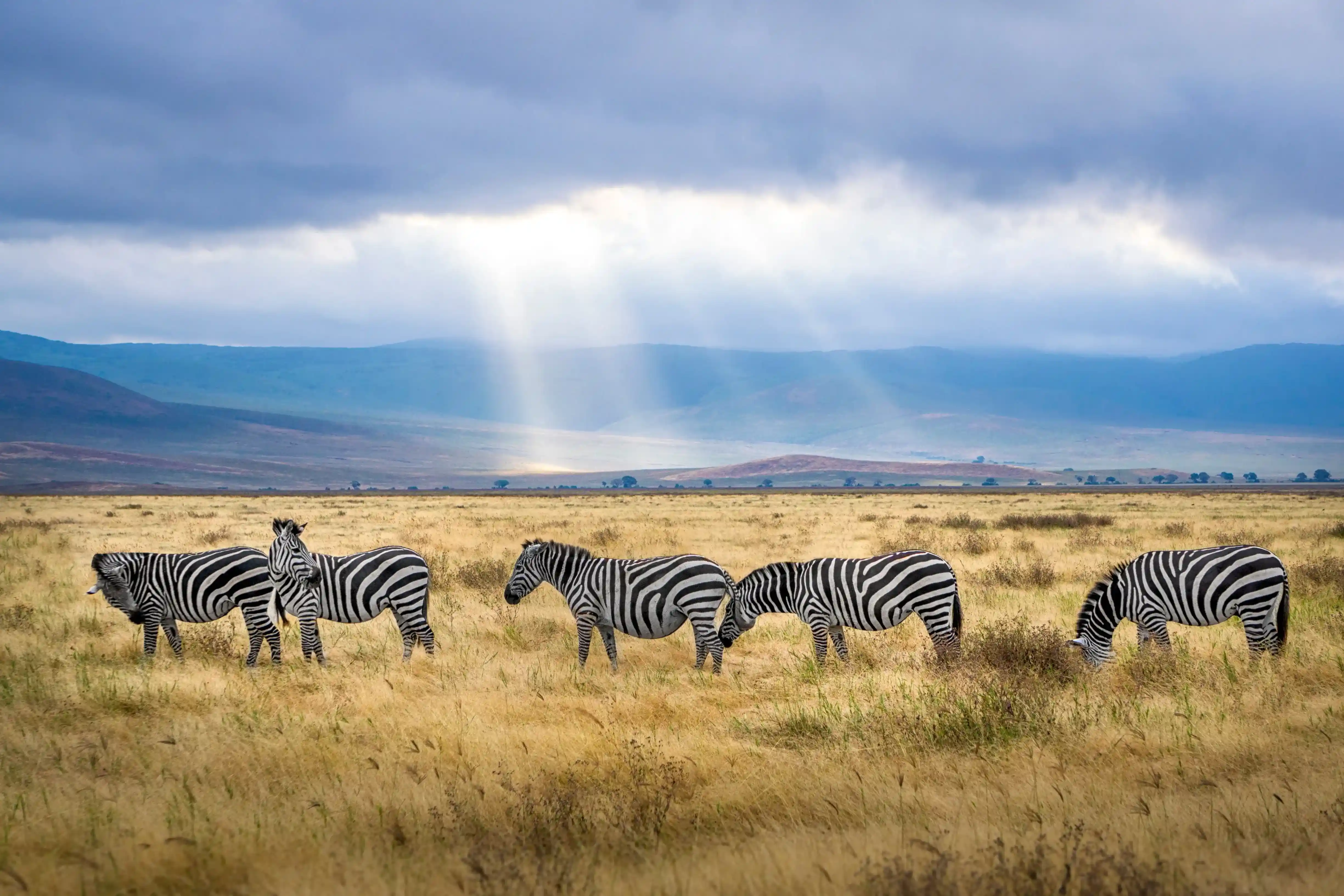
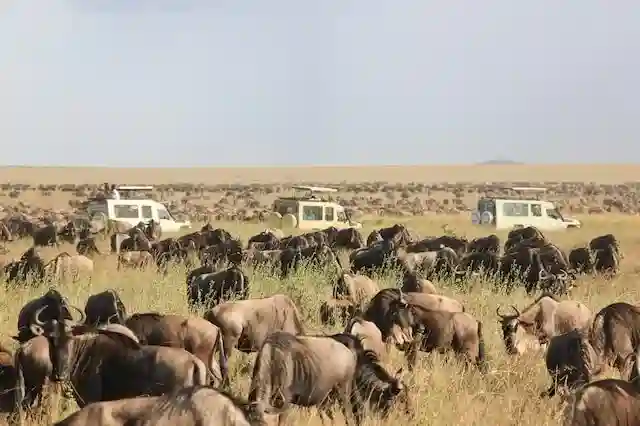
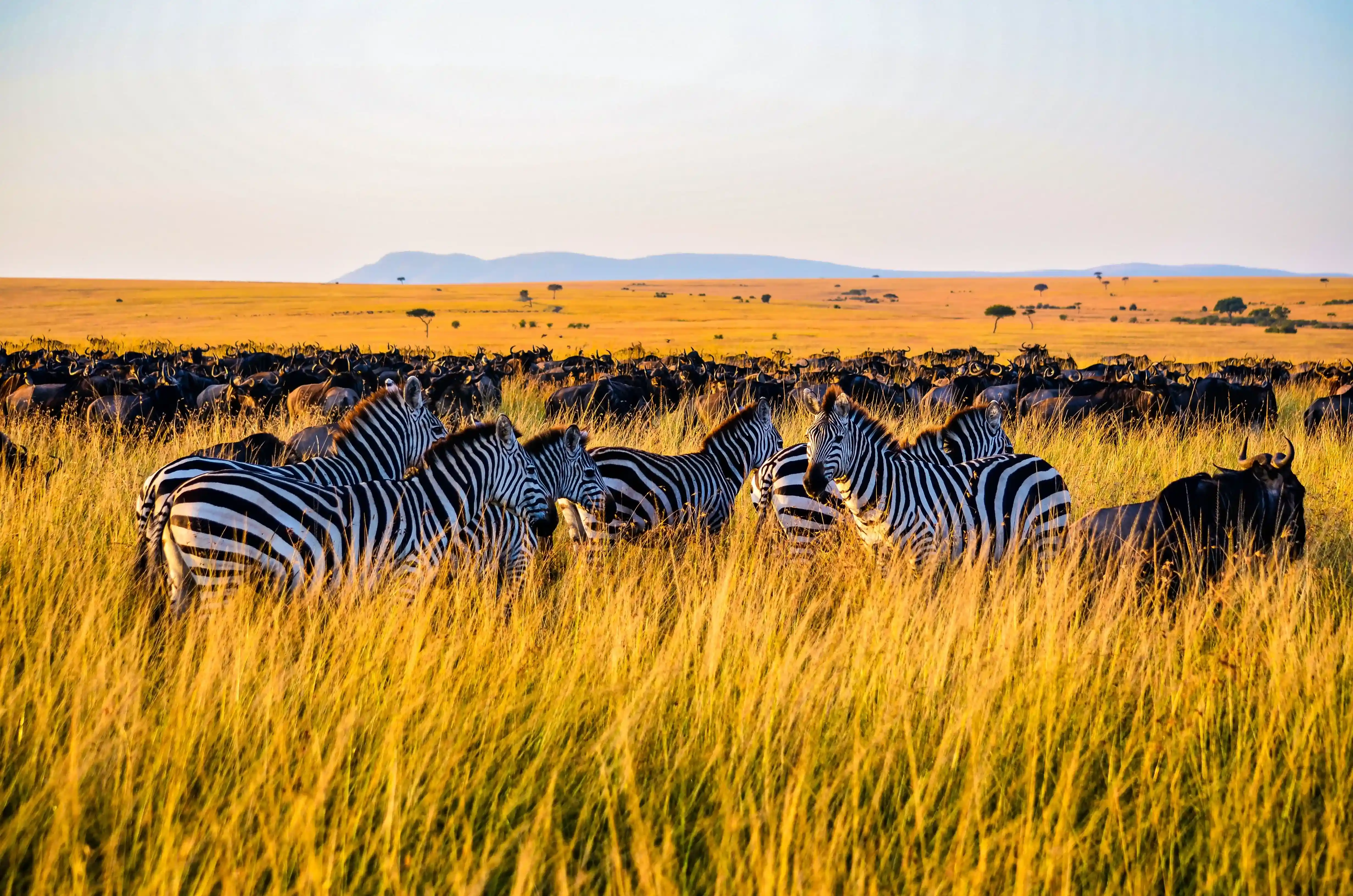
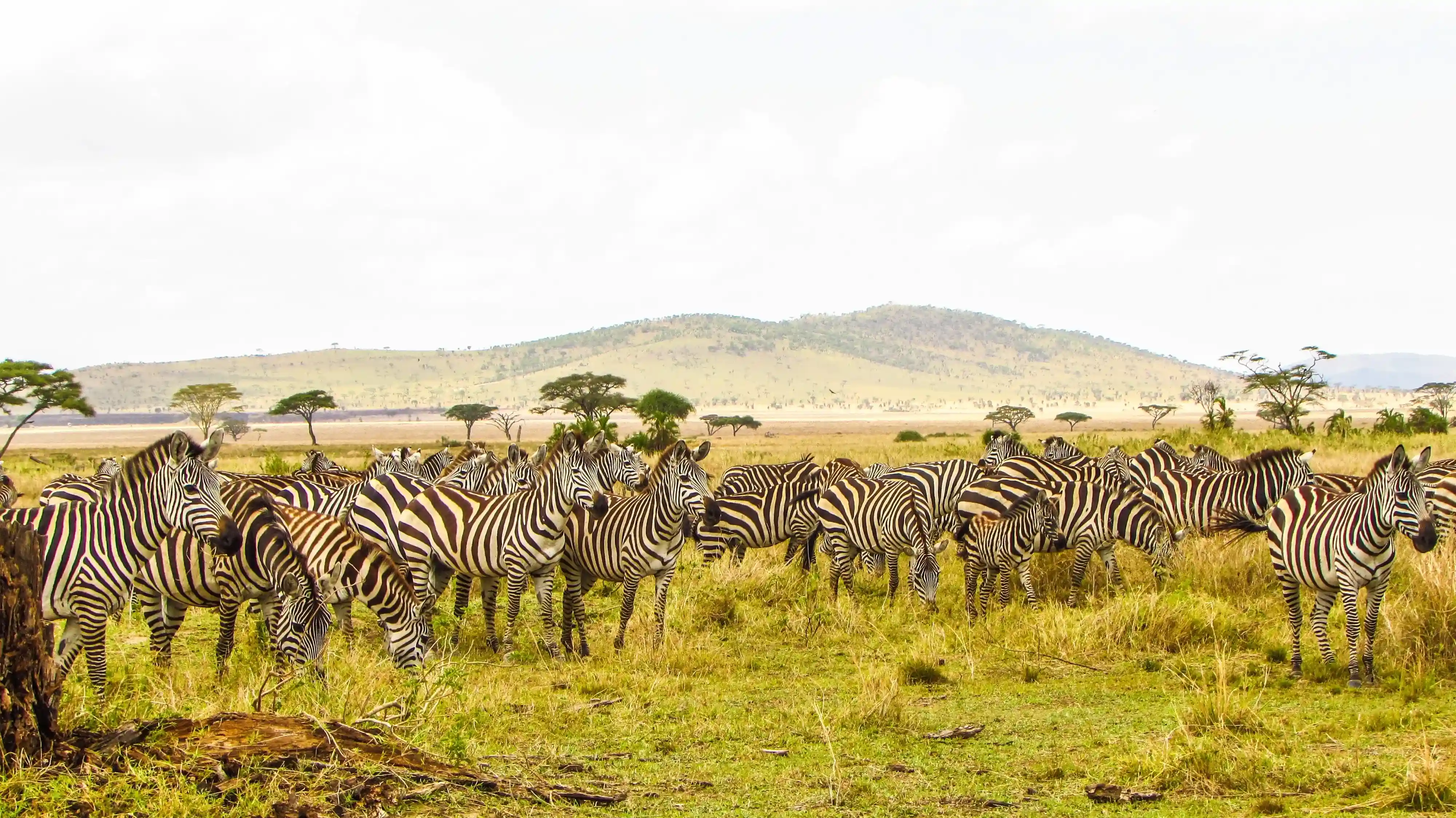
Three full days in the Serengeti means you follow the wildebeest and zebra herds at their own pace — your guide tracking their seasonal movements north or south, positioning you for the drama of river crossings, predator hunts, and the sheer spectacle of the Great Migration unfolding in every direction.
The crater's ancient walls enclose more animals per square kilometre than almost anywhere on Earth — a complete, self-contained ecosystem teeming with predators, prey, and the endangered black rhino. Descending into this natural amphitheatre on the final morning of the safari is a profound experience.
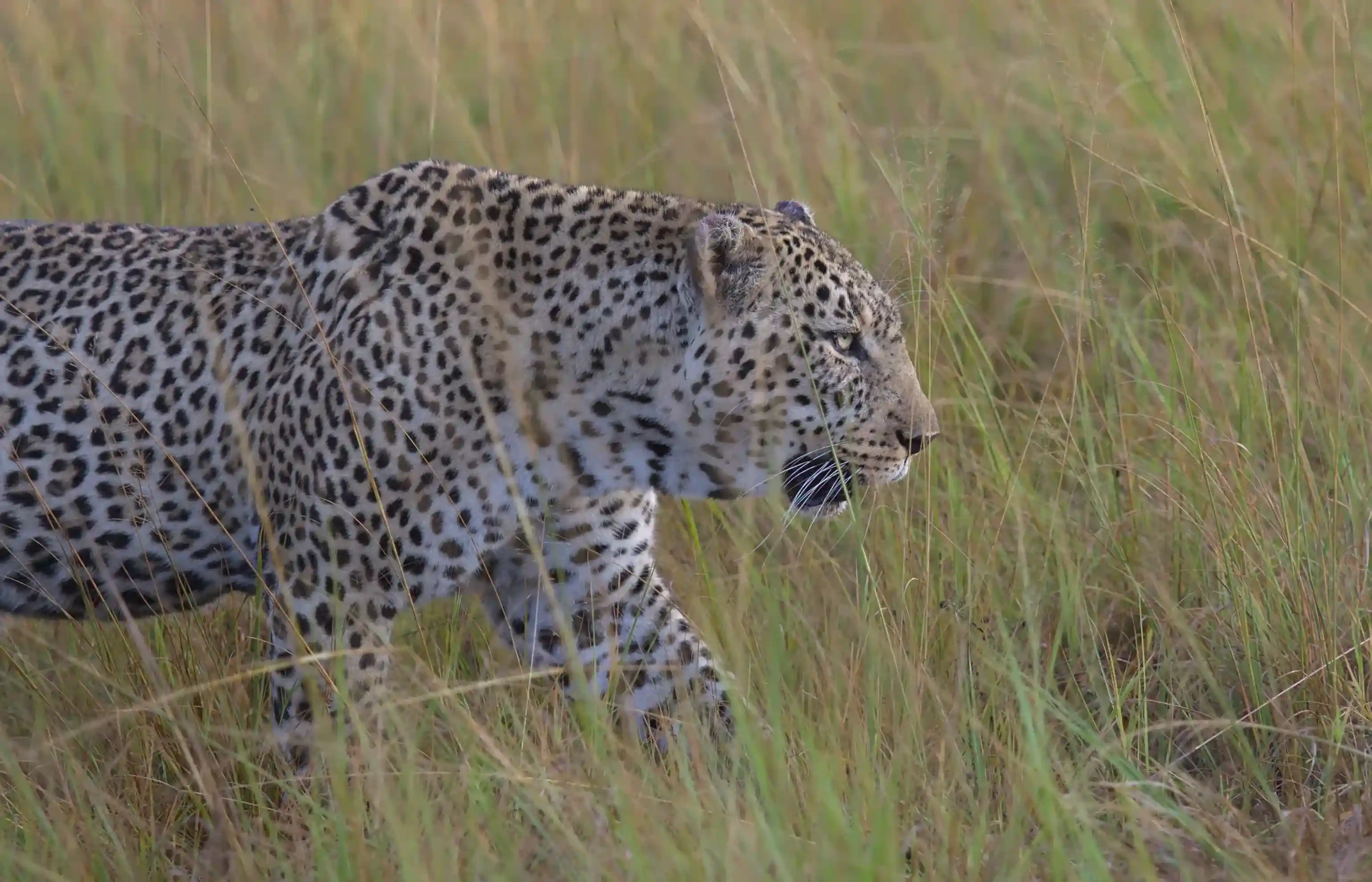
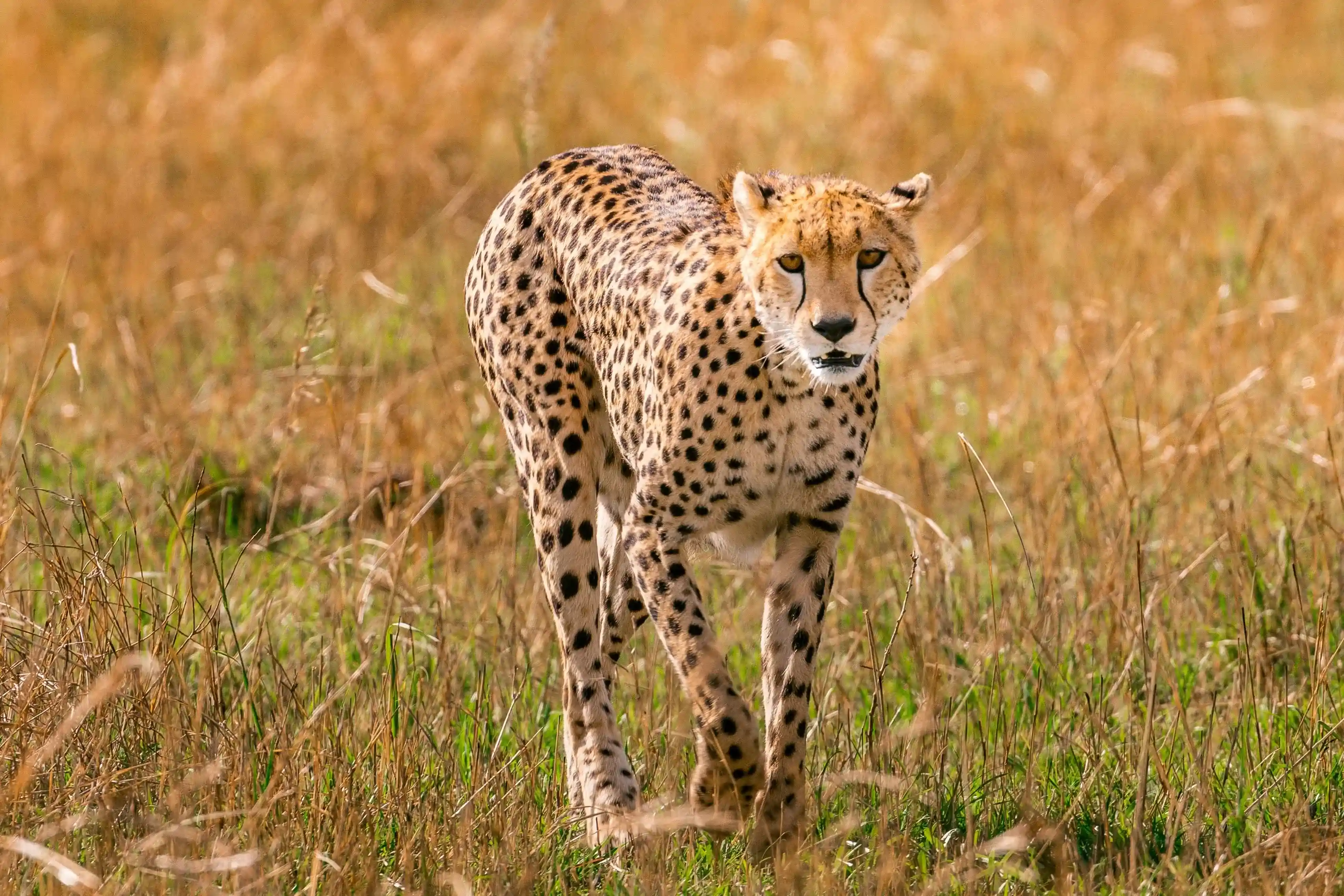
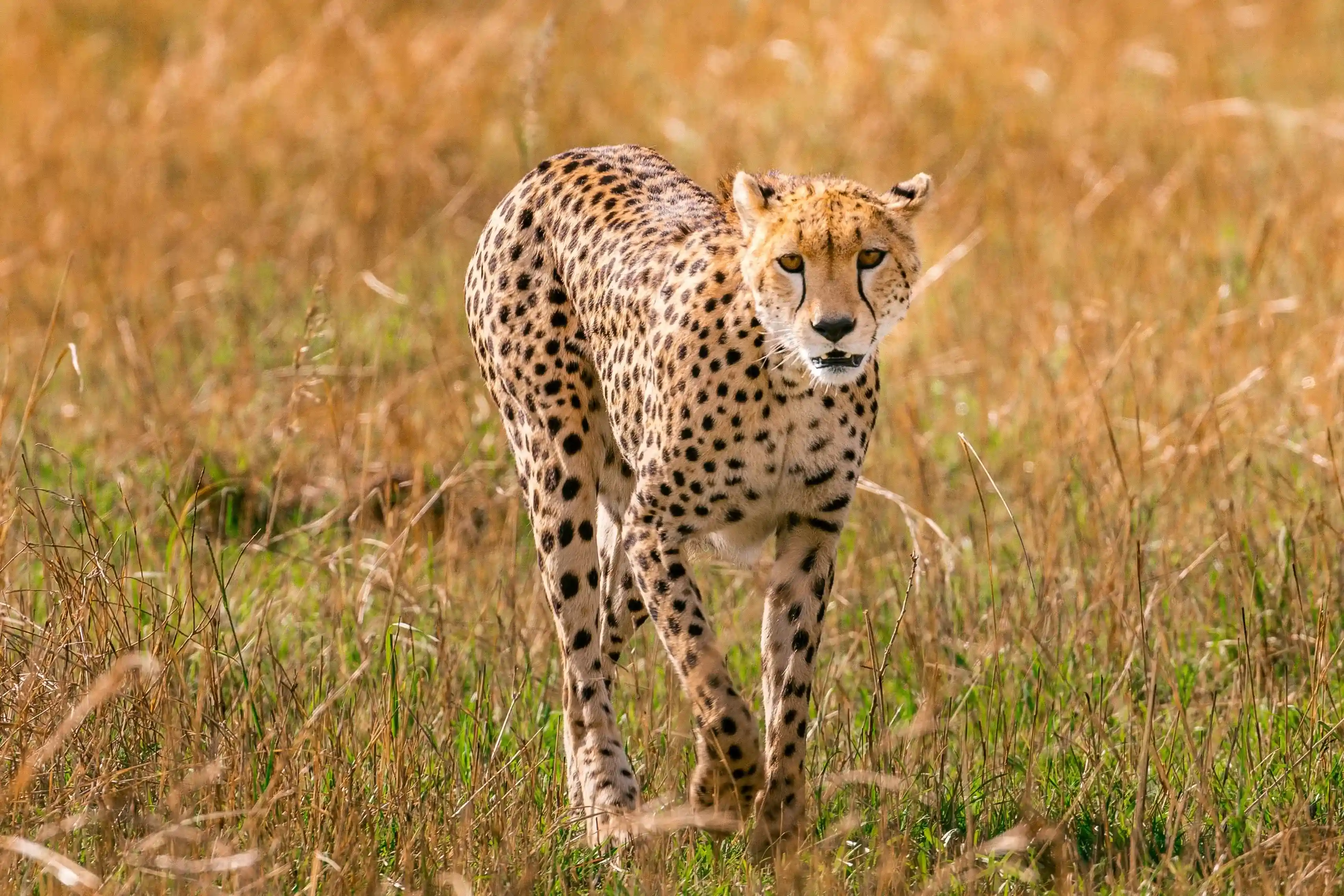
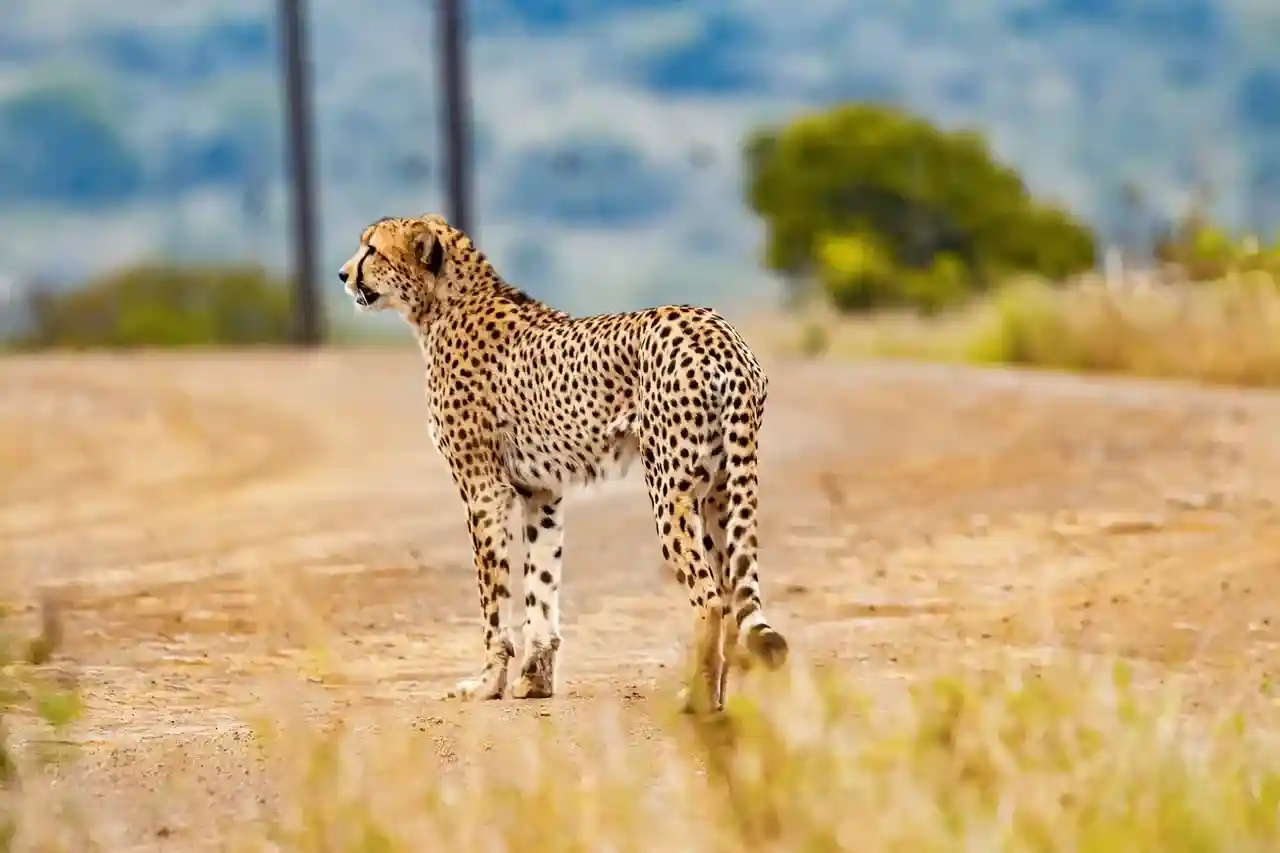
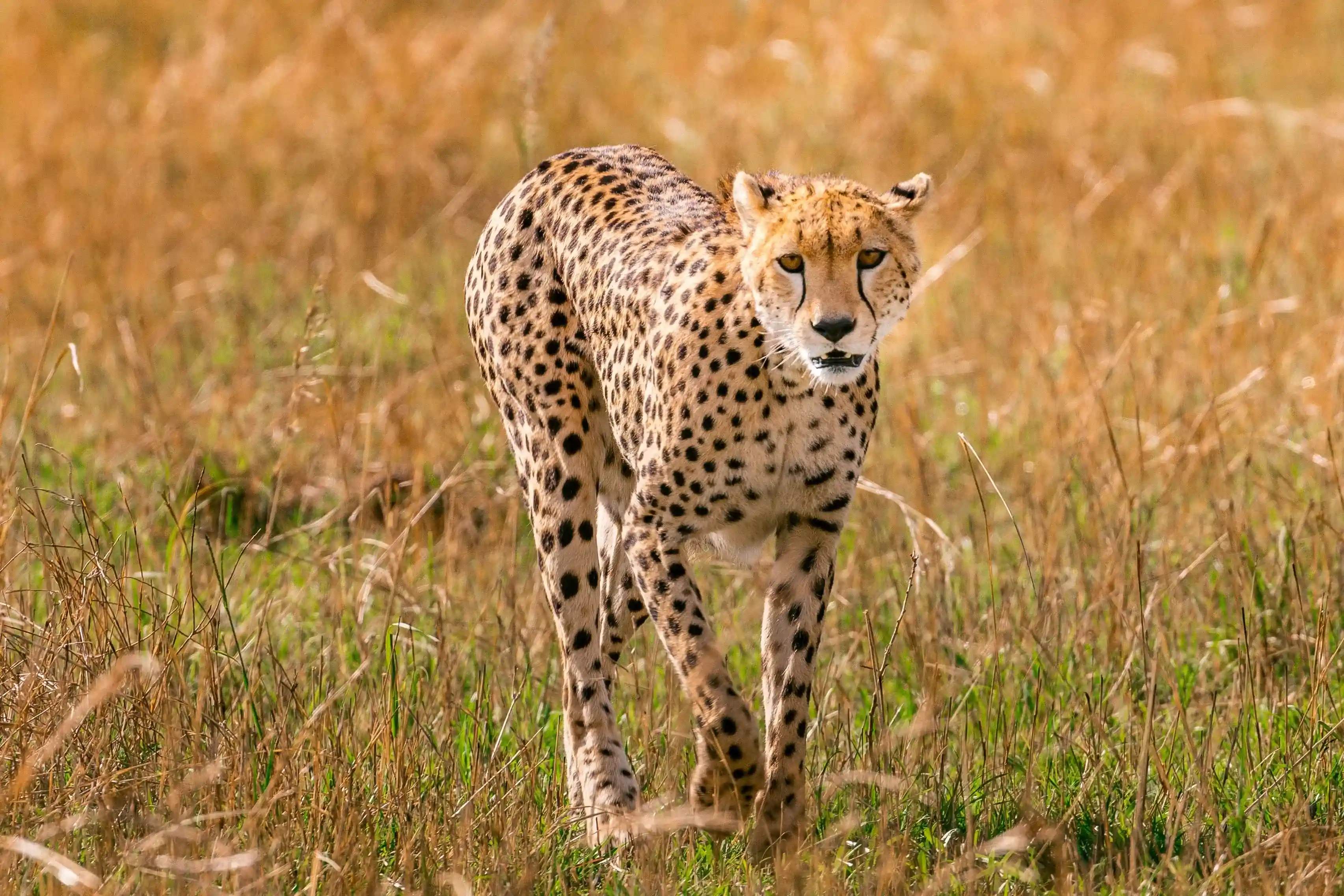
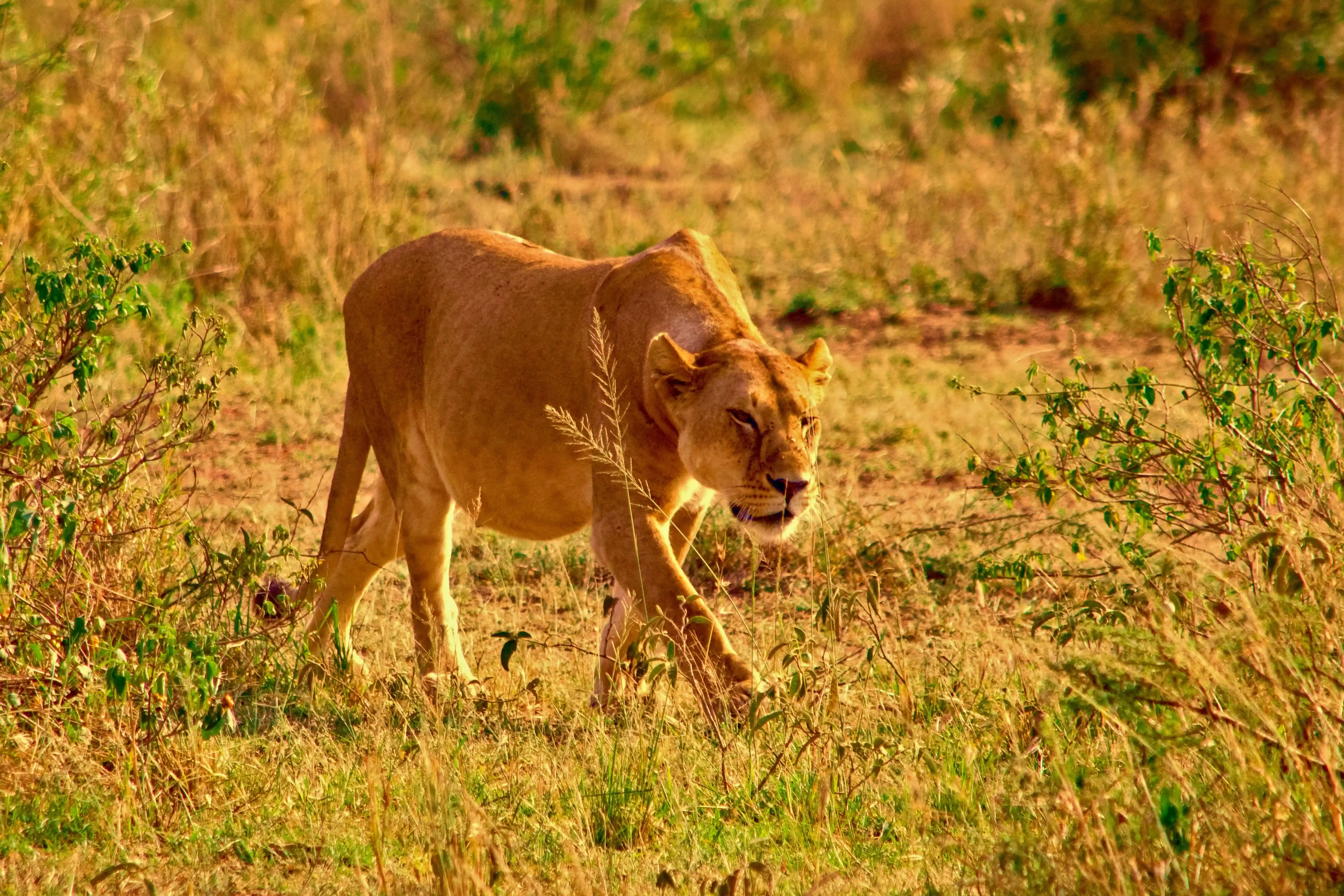
From Tarangire's elusive leopards to the Serengeti's famous cheetah coalitions and lion prides lounging on granite kopjes, this 6-day route offers more sustained big cat encounters than almost any other itinerary in Tanzania — giving your guide time to build on each sighting day after day.
Is this tour right for me?
Tour Seasons & Pricing
| Season | 1 Person | 2 Persons | 3 Persons | 4 Persons | 5 Persons | 6+ |
|---|---|---|---|---|---|---|
| Low Season Jan–Mar / Nov–Dec | $2,090 | $1,590 | $1,450 | $1,340 | $1,280 | On Request |
| Shoulder Season Apr–May / Oct | $2,390 | $1,830 | $1,680 | $1,560 | $1,490 | On Request |
| Peak Season Jun–Sep / 20 Dec–10 Jan | $2,890 | $2,240 | $2,060 | $1,920 | $1,830 | On Request |
* Prices per person in USD. Included: accommodation, game drives, park fees, full-board meals, airport transfers.
| Season | 1 Person | 2 Persons | 3 Persons | 4 Persons | 5 Persons | 6+ |
|---|---|---|---|---|---|---|
| Low Season | $2,890 | $2,240 | $2,060 | $1,920 | $1,830 | On Request |
| Shoulder Season | $3,290 | $2,590 | $2,390 | $2,230 | $2,130 | On Request |
| Peak Season | $3,990 | $3,190 | $2,940 | $2,750 | $2,620 | On Request |
| Season | 1 Person | 2 Persons | 3 Persons | 4 Persons | 5 Persons | 6+ |
|---|---|---|---|---|---|---|
| Low Season | $4,890 | $3,990 | $3,690 | $3,450 | $3,290 | On Request |
| Shoulder Season | $5,690 | $4,590 | $4,240 | $3,990 | $3,810 | On Request |
| Peak Season | $6,890 | $5,590 | $5,190 | $4,890 | $4,670 | On Request |
Day-by-Day Itinerary
Your safari begins the moment you land at Kilimanjaro International Airport (JRO). A Africa Endless Cruising representative will be waiting just beyond customs with your name — a private transfer leading you directly to your waiting Land Cruiser, cooled and ready with cold drinks and a briefing pack. After a short stop in Arusha for breakfast and any last-minute essentials, you head south-east toward one of Tanzania's most rewarding yet under-visited parks.
The drive to Tarangire takes you through the semi-arid Maasai steppe, passing traditional bomas, Maasai herders with their cattle, and scattered acacia woodland that opens progressively as you near the park boundary. At the Tarangire gate, the baobab trees begin — vast, ancient sentinels that have stood here for a thousand years or more, their swollen trunks and bare branches rising against the sky like something from another world entirely.
Your arrival game drive through the park's northern corridor follows the Tarangire River, the lifeblood of the ecosystem that draws animals from hundreds of kilometres during the dry season. Elephants are almost guaranteed — families of thirty or more moving through the riverine bush, the matriarchs leading calves to water while young bulls spar on the banks. Lions rest in the shade of sausage trees. As the afternoon softens into gold, you reach your camp in time for a sundowner and your first campfire under an immense African sky.
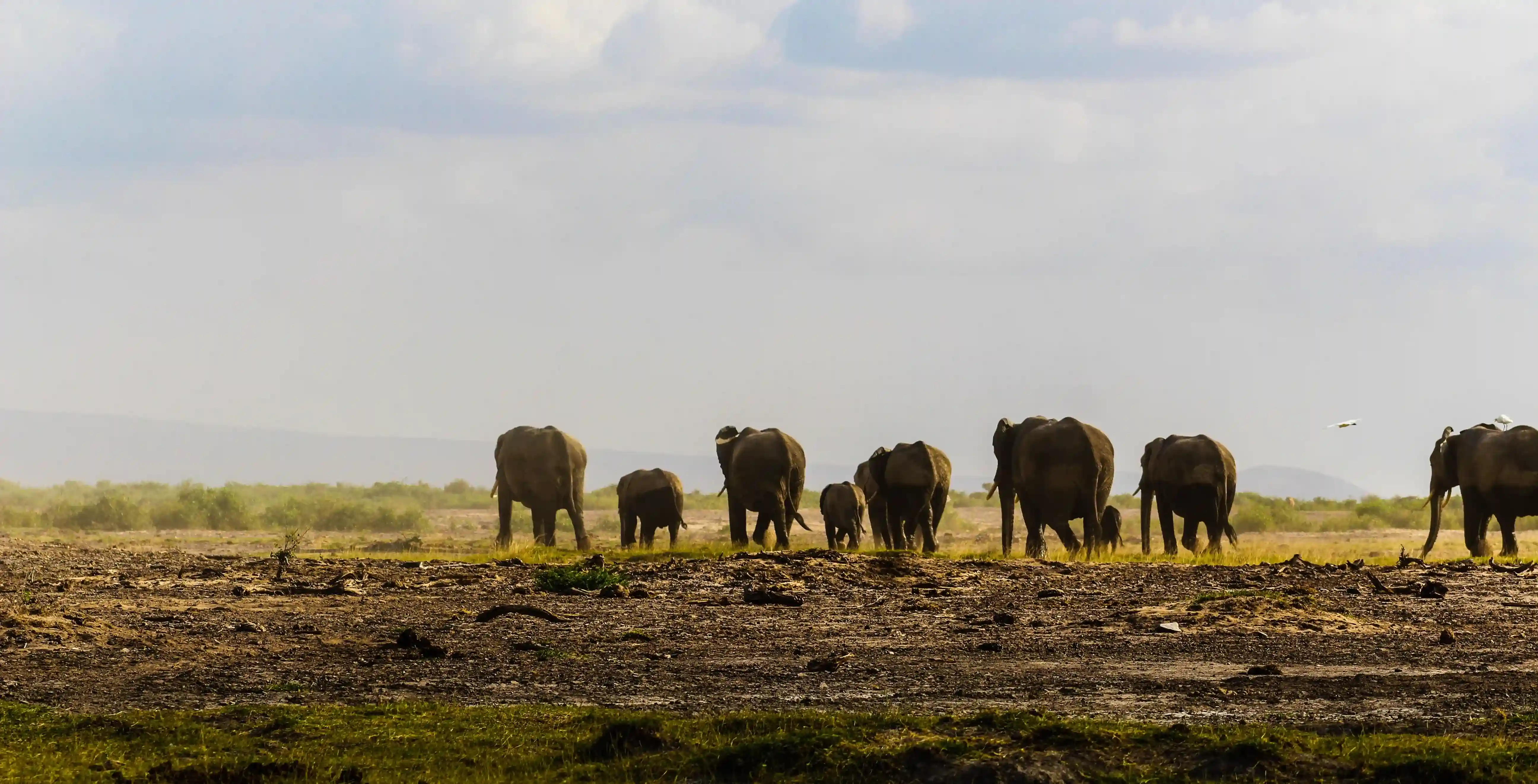
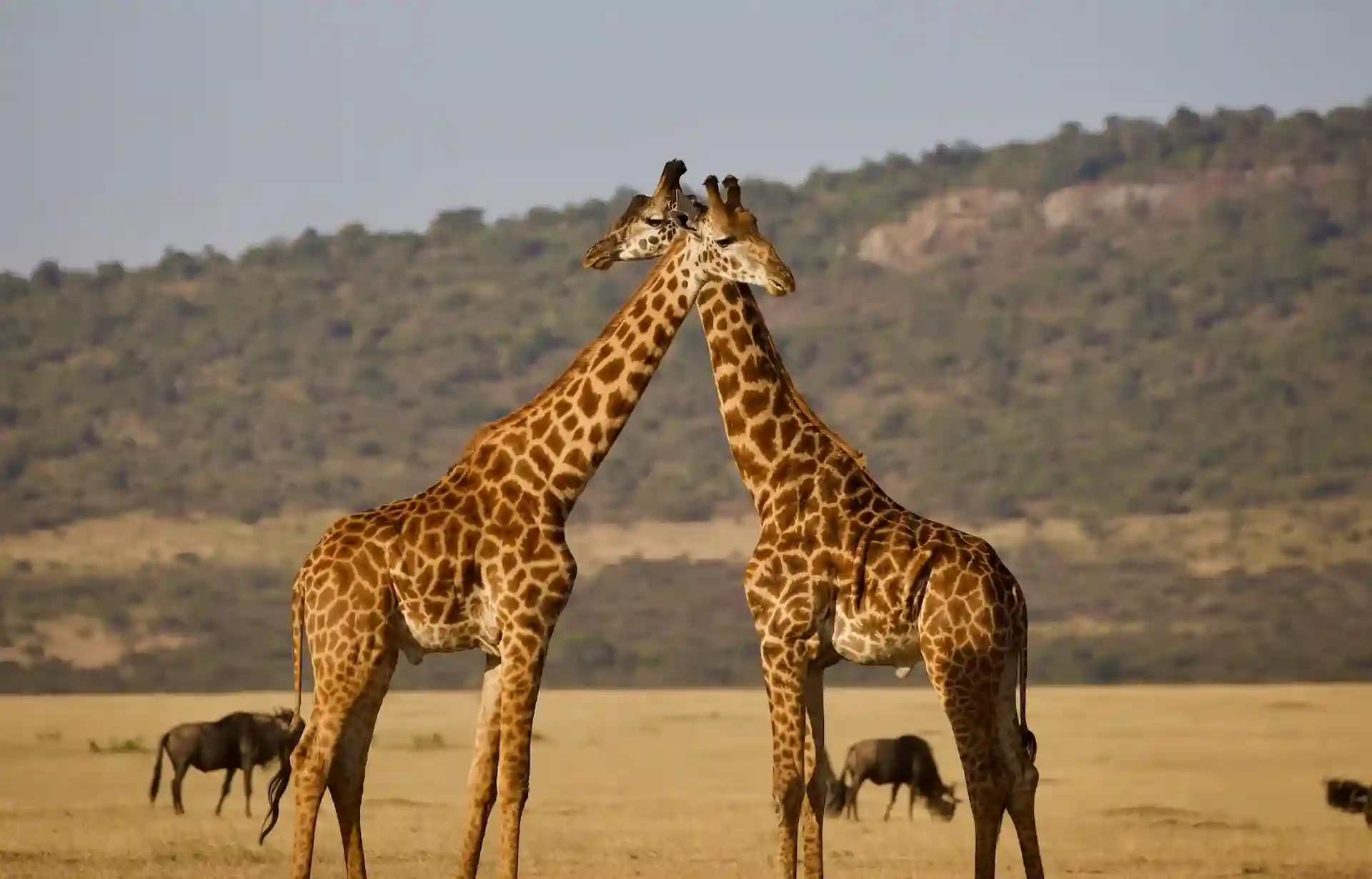
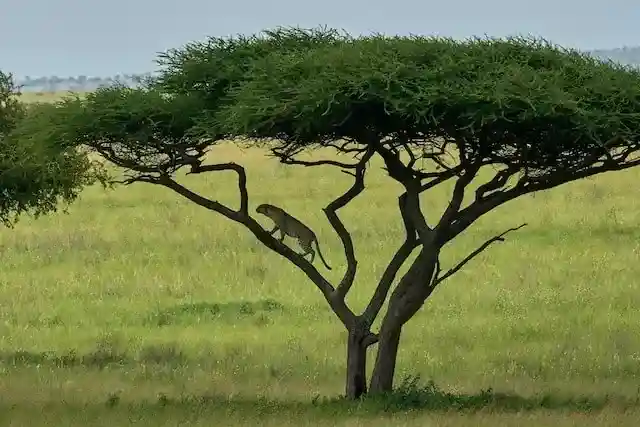
A full day in Tarangire is a luxury that reveals what most visitors on shorter itineraries miss entirely. You leave camp before first light, when the baobabs are dark silhouettes against a sky shifting from deep violet to rose gold. In this early hour the elephant activity is extraordinary — matriarchs leading their families in long processions to the river while lions return from nocturnal hunts and leopards find their trees. Tarangire has a higher density of leopard than the Serengeti and, critically, far fewer vehicles competing for sightings.
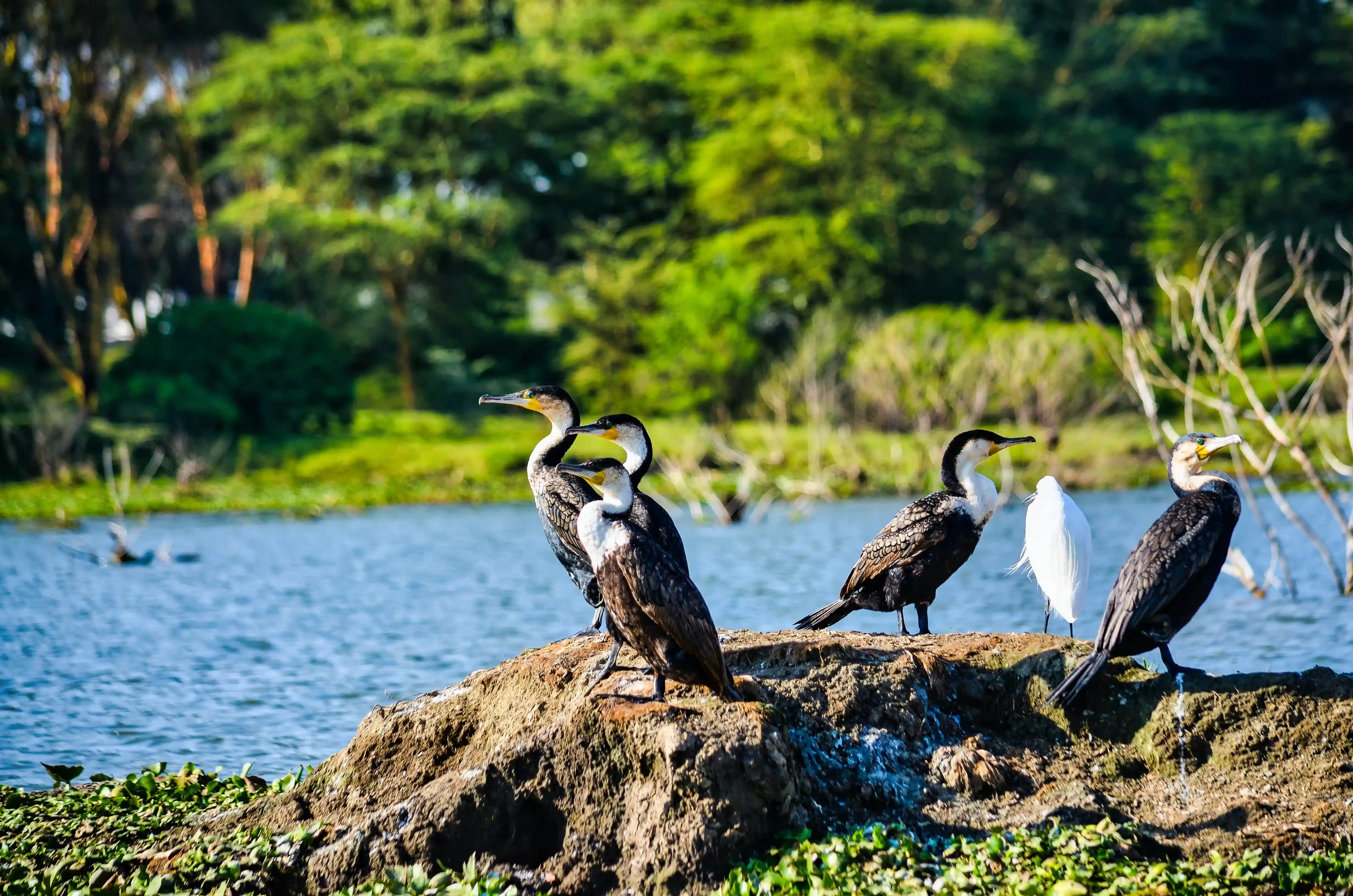
Your guide takes you south, deeper into the park where the crowds thin entirely and the Tarangire River loops through dense riverine forest. Here buffalo herds of several hundred drink at the water's edge, hippos surface and submerge in the pools, and the birdlife is spectacular — bee-eaters in luminous clouds, ground hornbills striding through the grass, and the magnificent martial eagle riding thermals overhead. A bush picnic lunch is served beneath the shade of a giant fig tree above the river.
The afternoon pushes into the Silale and Gursi swamps in the park's heart — breeding grounds for a spectacular array of wetland birds, and a reliable location for the rare eland, fringe-eared oryx, and the lesser kudu that are unique to Tarangire's dry-country habitat. As the sun drops and casts the baobab woodland in warm amber light, you return to camp with a full day's images and an appreciation for why Tarangire is the secret heart of Tanzania's northern circuit.
After one final morning drive through Tarangire — your guide choosing whichever area held the most promise the evening before — you pack up and begin the journey north and west toward the Serengeti. The route climbs through the rich highlands around Lake Manyara, past coffee and banana shambas, and eventually up the steep face of the Great Rift Valley escarpment, where a panorama of extraordinary scale opens before you: the valley floor stretching some 50 kilometres wide, scattered with acacia and dotted with the shimmering blue of Lake Manyara far below.
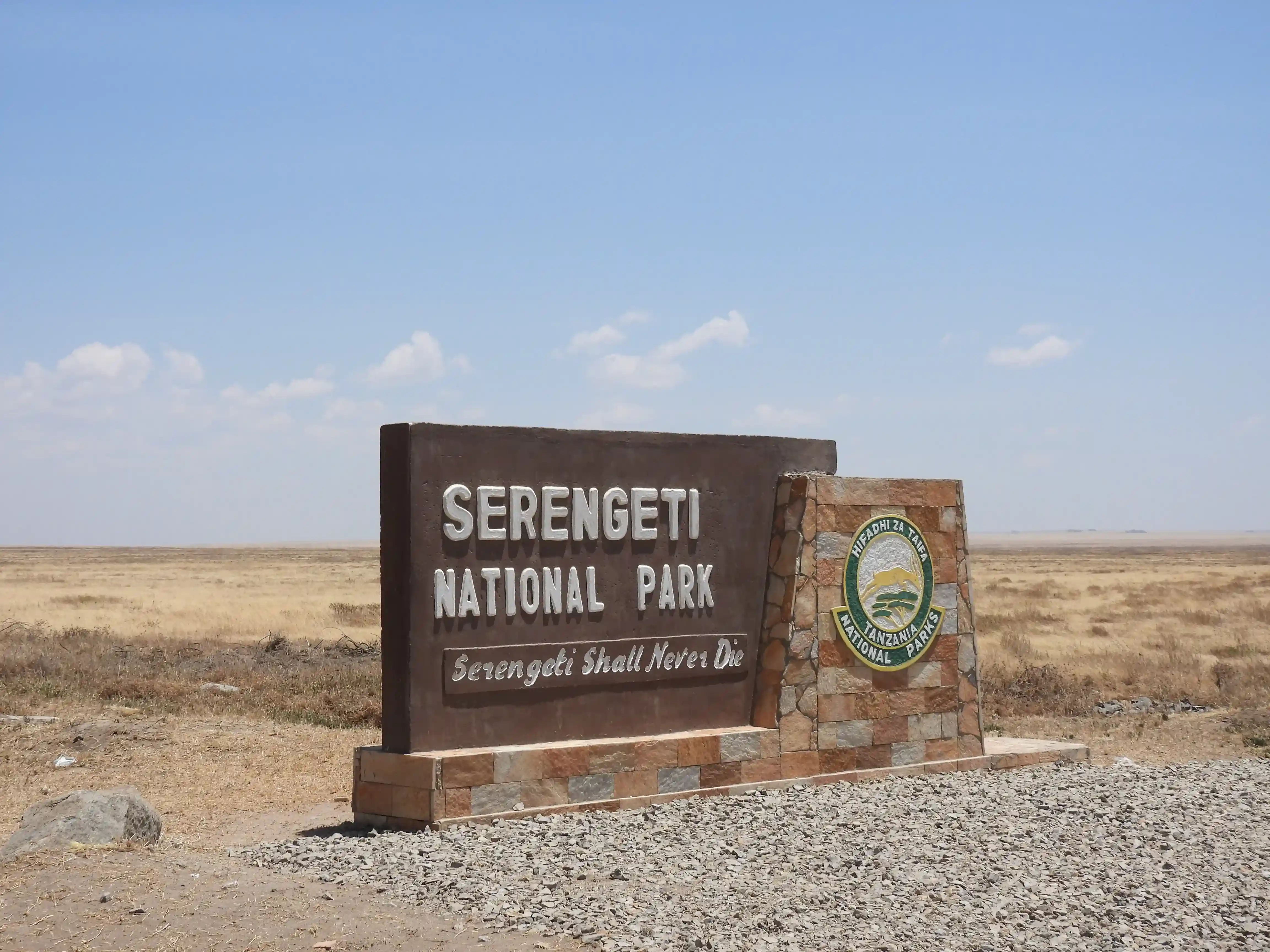
You pass through the Ngorongoro Conservation Area — a hint of what awaits on Day 6 — where Maasai cattle share the high plateau with herds of wildebeest and zebra, and the road is sometimes blocked by zebra crossing in relaxed formation. After descending through Naabi Hill Gate, the Serengeti opens before you with the full force of its reputation: an ocean of golden grass stretching endlessly in every direction, broken only by granite kopjes and the dark lines of migrating herds moving across the plain.
You arrive in the Seronera Valley in the early afternoon, in time for a proper arrival game drive through the Serengeti's most wildlife-rich corridor. The Seronera River attracts lions, leopards, cheetahs, and enormous herds of prey year-round — your guide settles into the rhythm of big cat country as the golden afternoon light turns the savanna amber and you head to camp for your first Serengeti sunset.
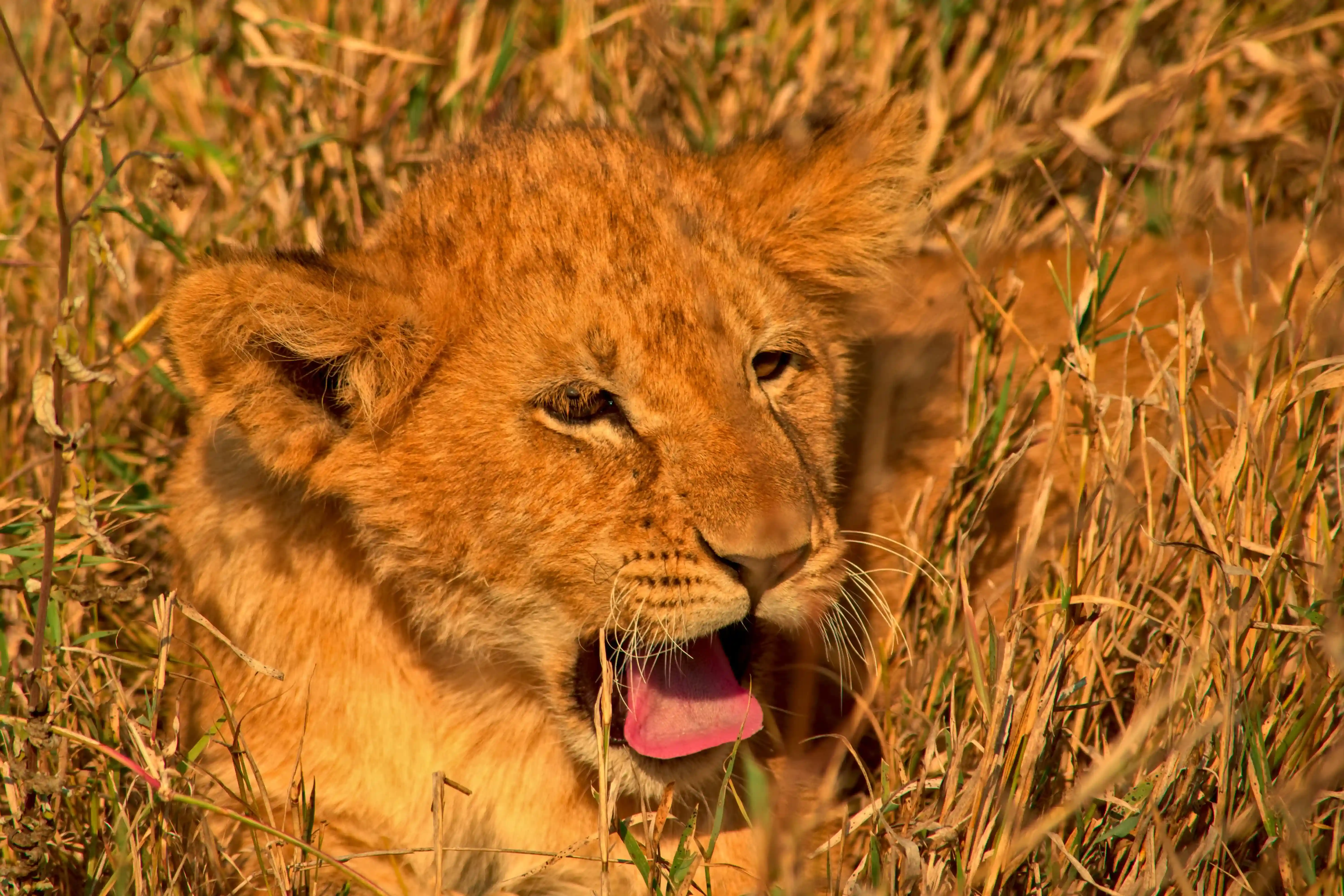
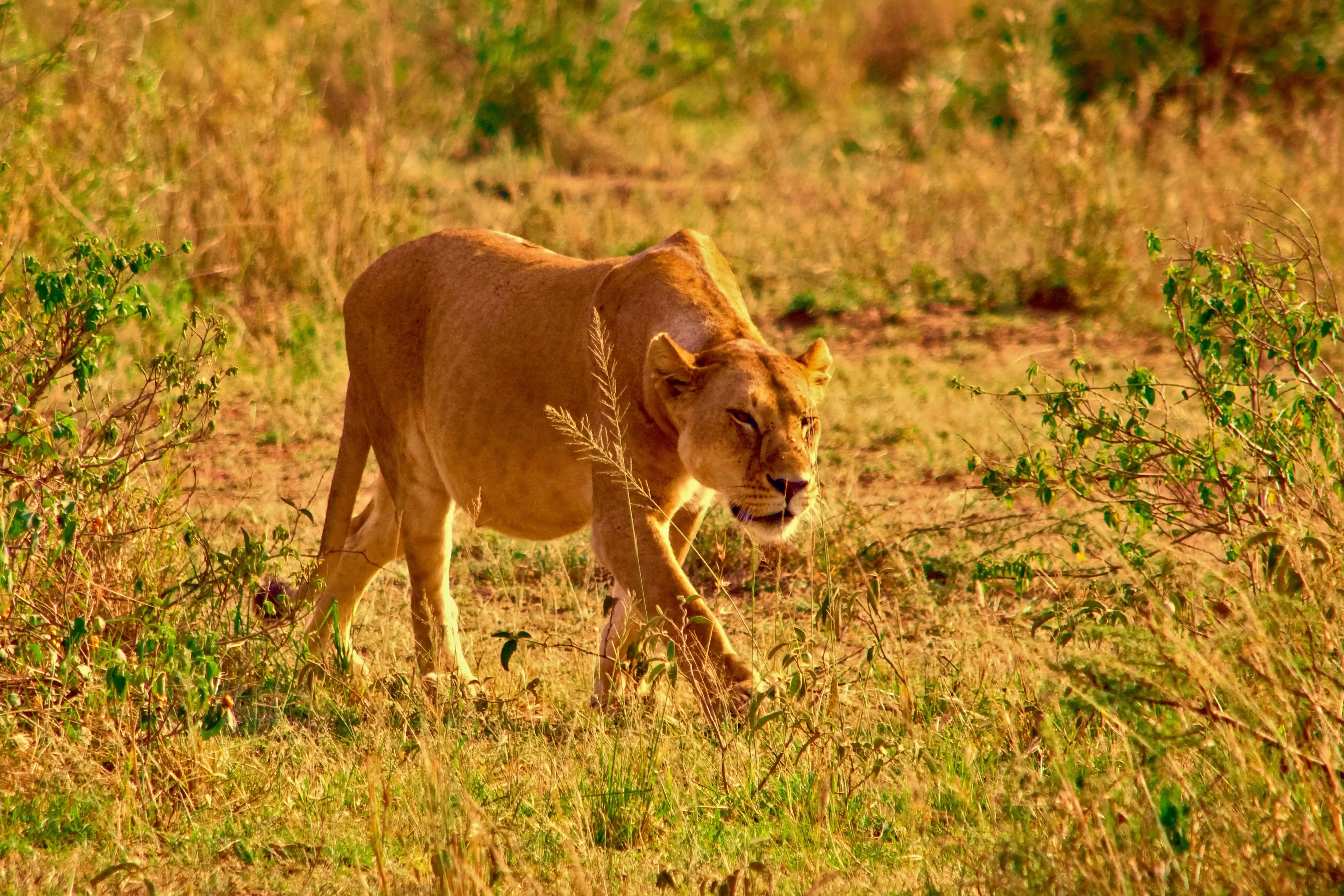
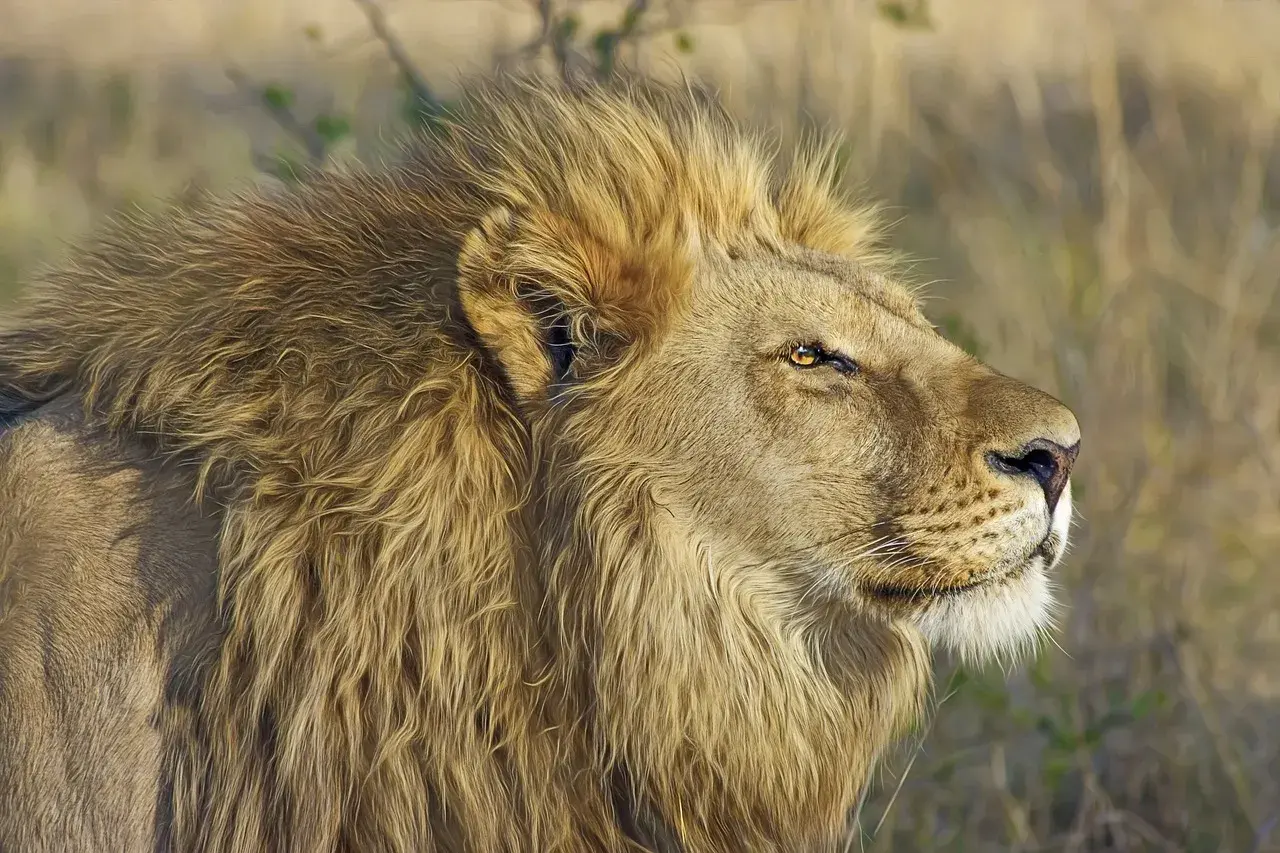
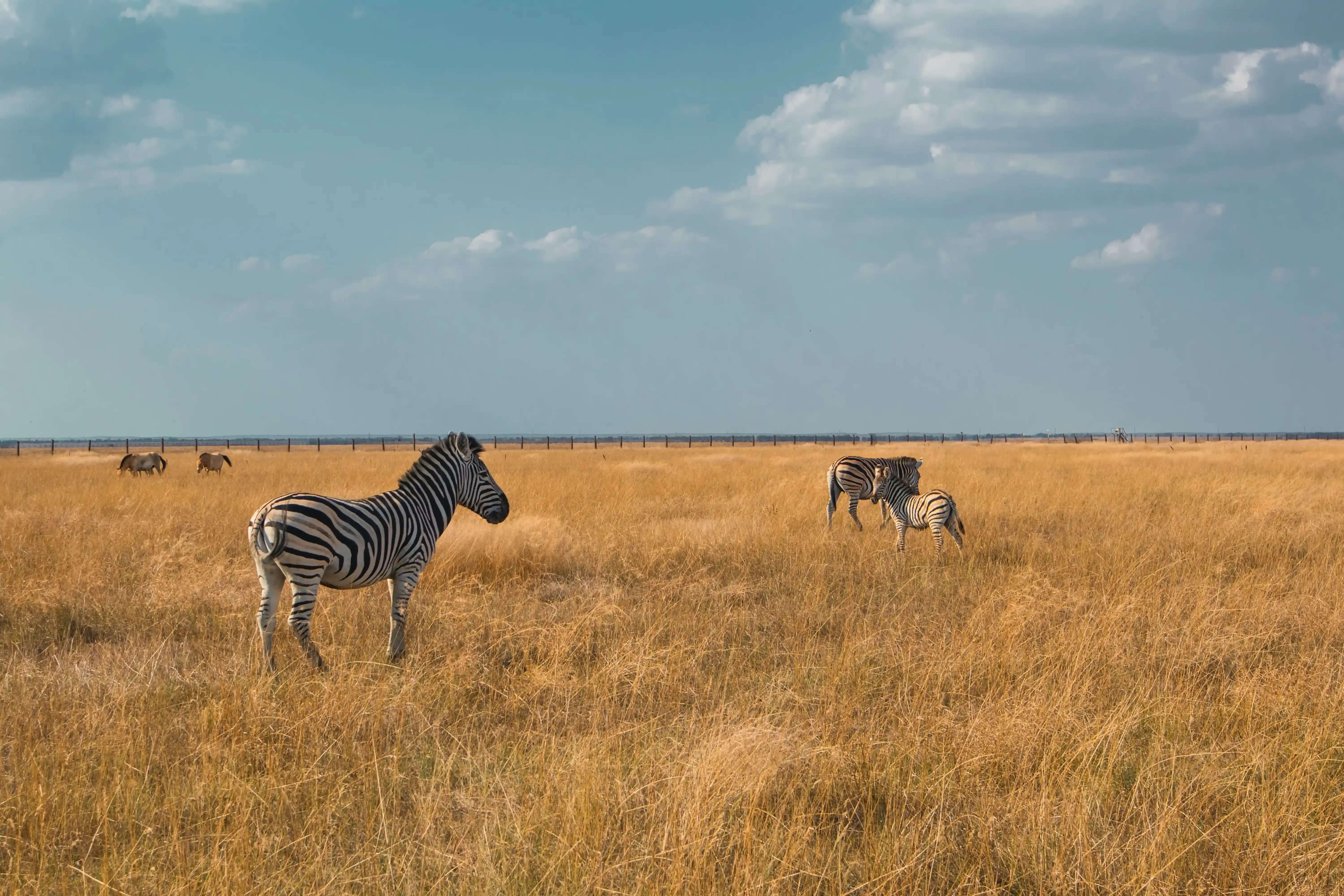
A full day in the Serengeti is a rare and precious thing. You'll be out before sunrise — the light pale and violet across the plains — as nocturnal predators make their last moves before retreating. The morning game drive is prime time for big cat activity: cheetahs scan the grasslands from termite mounds, hunting as the temperatures are still cool; lions sprawl across kopjes, the cubs tumbling between the adults; hyenas cackle around the remnants of last night's kill along the Seronera River corridor.
At midday, you'll enjoy a proper bush picnic — your camp team prepares a packed lunch, and your guide finds a shady spot beneath an acacia tree or beside a riverine forest. Here, in the silence of the midday heat, hippos bob in the water pans below and vervet monkeys watch hopefully from the branches above. It is one of those moments that stays with a person long after the trip has ended.
The afternoon drive pushes into different terrain — your guide tracking the seasonal movements of the Great Migration herds or leading you into koppie country where lions and hyenas frequently compete over territory. As the sun turns amber and shadows lengthen across the grasslands, you return to camp with photographs and memories you'll be sharing for years. Tonight, dinner is served under a sky full of stars.
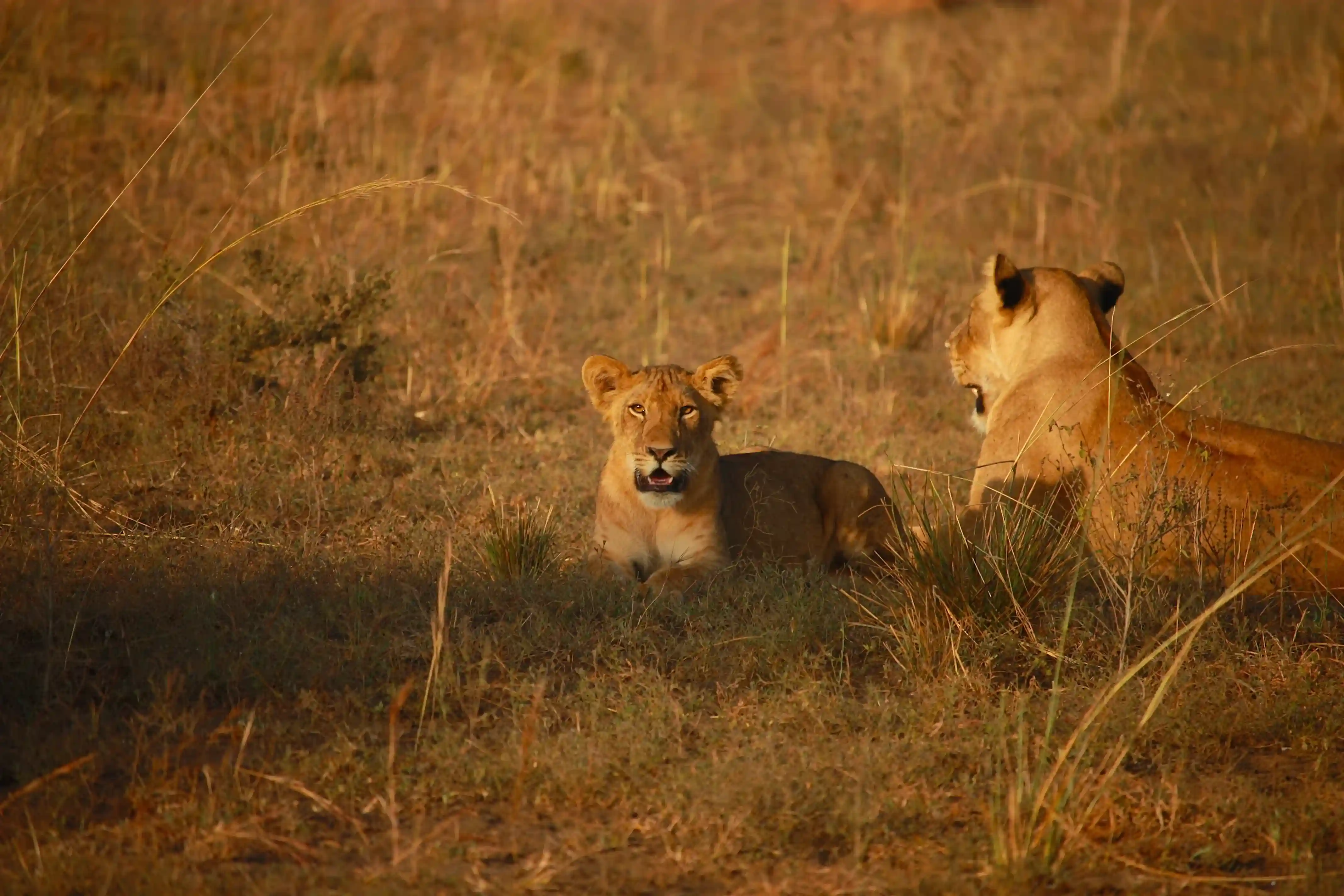
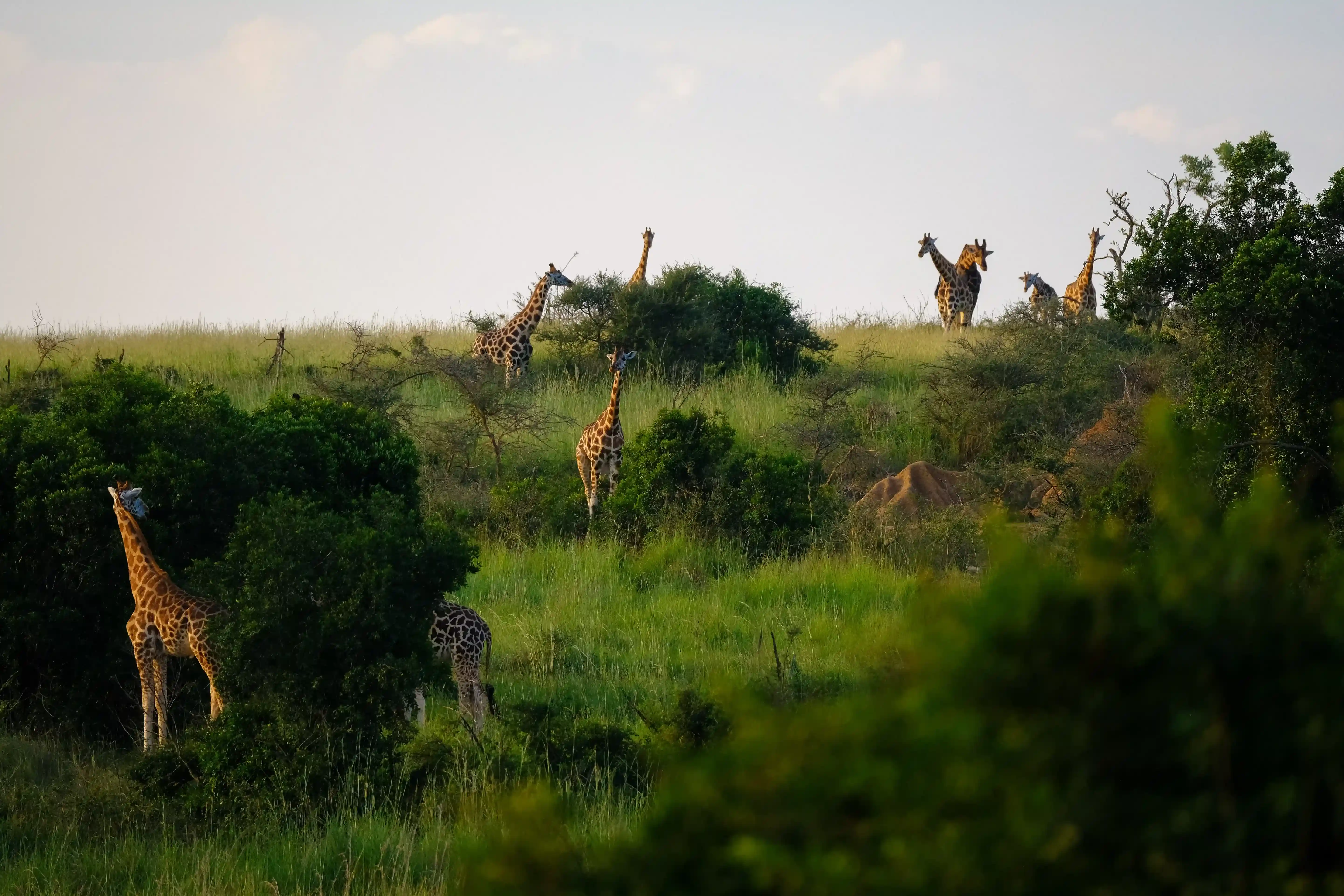
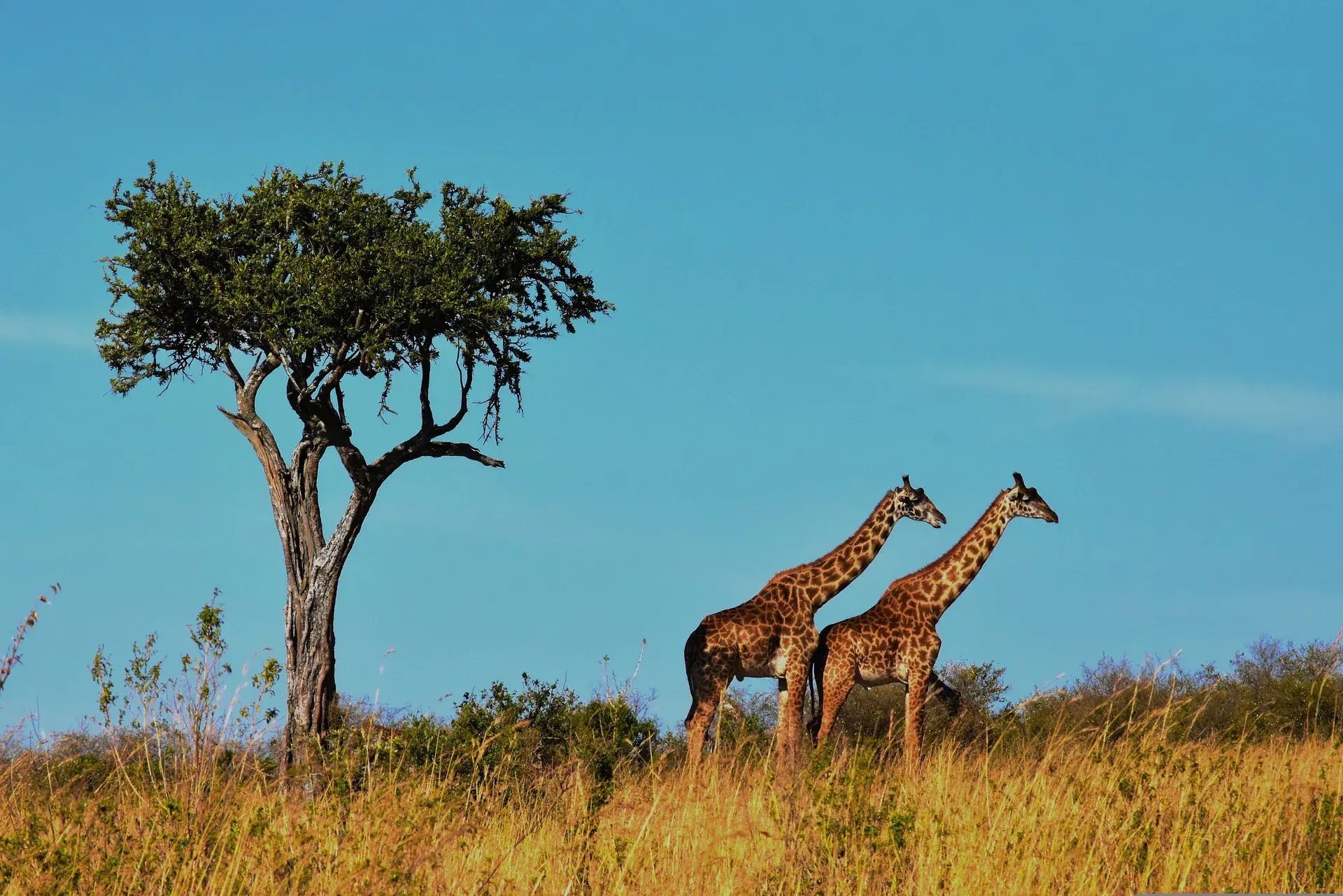
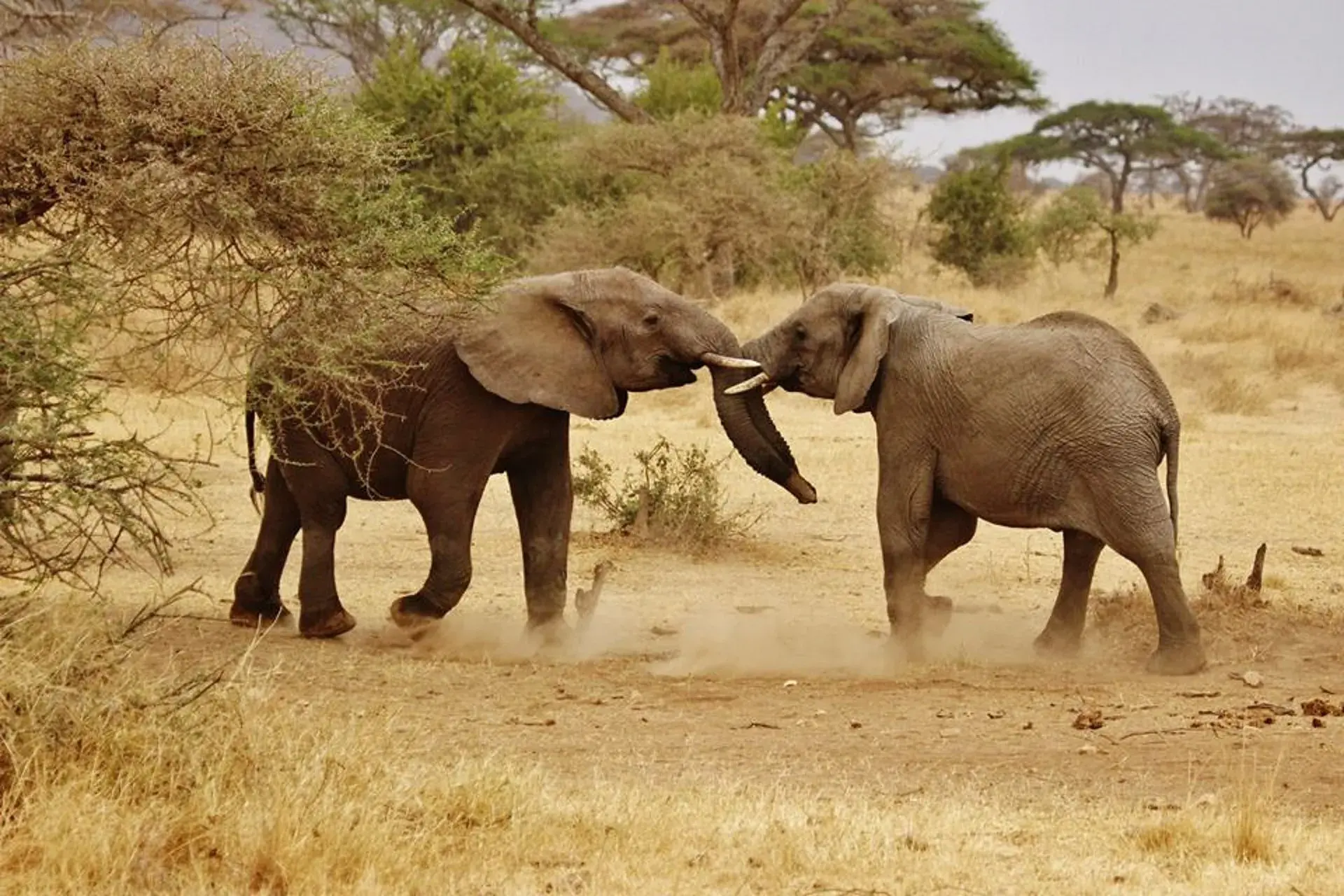
One final dawn game drive in the Serengeti — this morning your guide takes you to whichever area has shown the most wildlife activity, whether that is a leopard tree-sitting along the Seronera River corridor, a cheetah coalition on the hunt in open grassland, or elephant herds moving through the acacia woodland at the forest edge. Hot air balloon enthusiasts who booked this optional add-on will depart from the Serengeti ballooning site just before sunrise — a truly extraordinary way to say farewell to the plains from the air.
After breakfast back at camp and a final cup of coffee, you break camp and begin the drive east toward the Ngorongoro Conservation Area. The landscape shifts dramatically as the road climbs through montane forest up to the crater rim, the temperature dropping noticeably as you rise above 2,000 metres. You pass through high-altitude grasslands grazed by Maasai cattle, before the forest closes in around you and the road emerges suddenly at the crater rim — the vast caldera appearing below, 20 kilometres wide and alive with movement even from this height.
The evening at the rim is an experience in itself. The temperature drops to near-cool, mist rolls in through the highland forest, and olive baboons clatter across the lodge rooftops as the sun sets behind the western crater wall. Your guide briefs you on tomorrow's descent — and why the Ngorongoro floor almost guarantees the black rhino sighting that so many safaris fail to deliver.
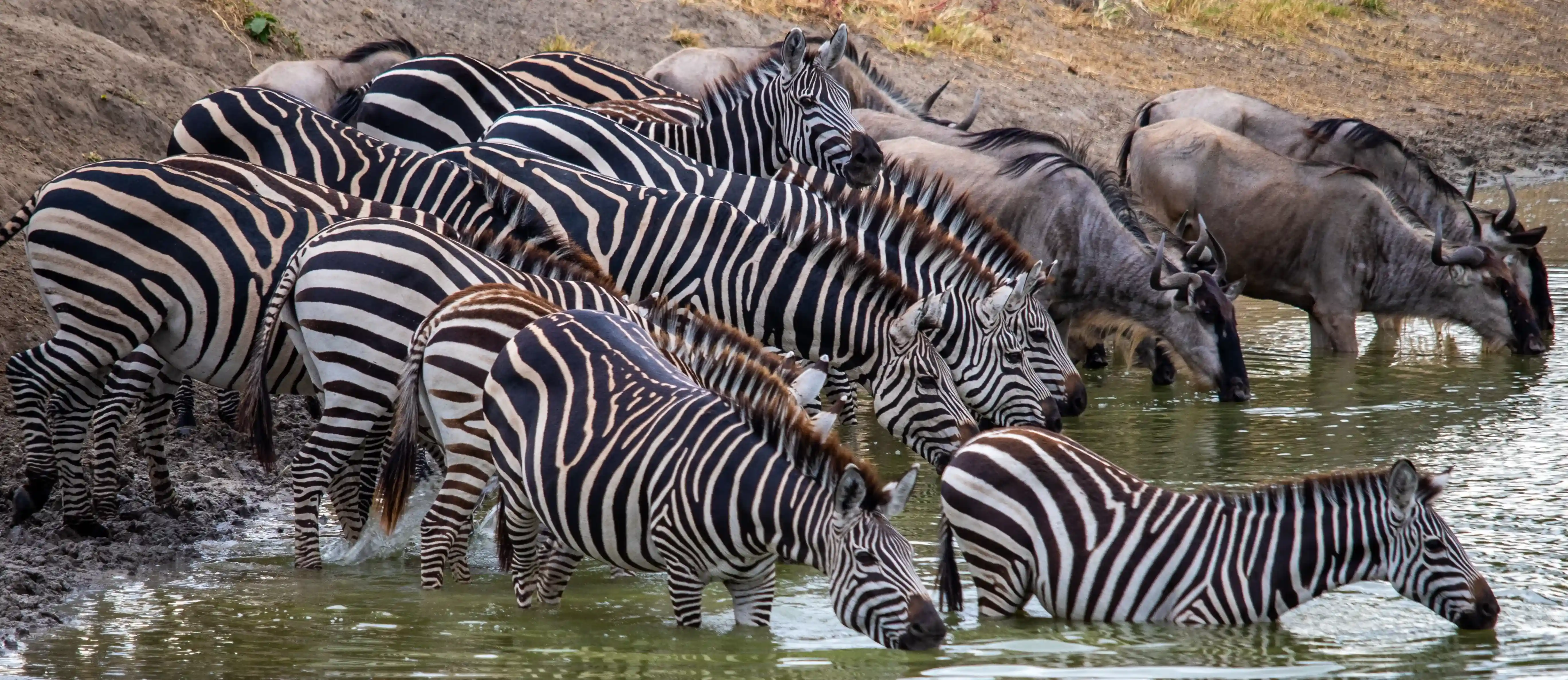
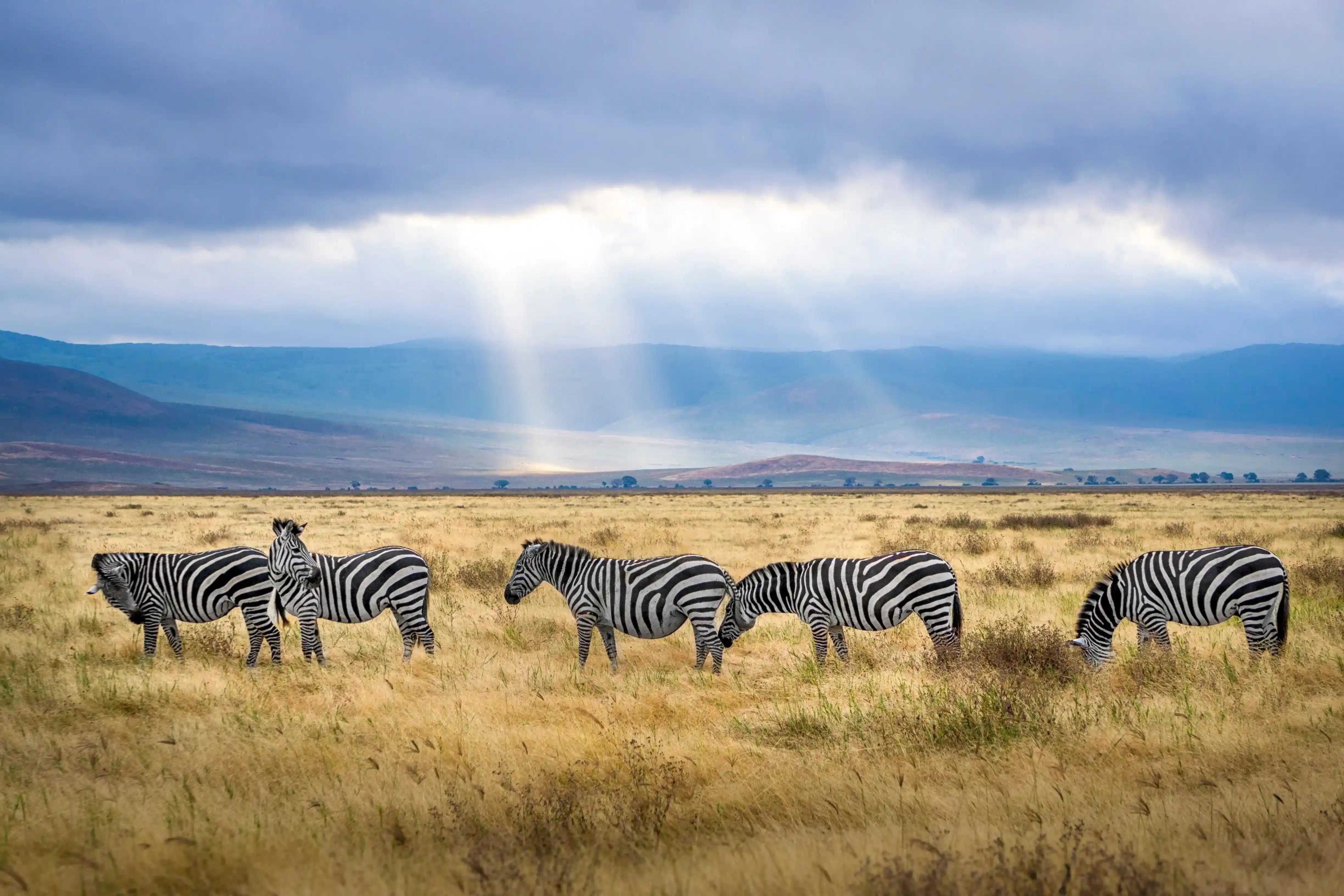
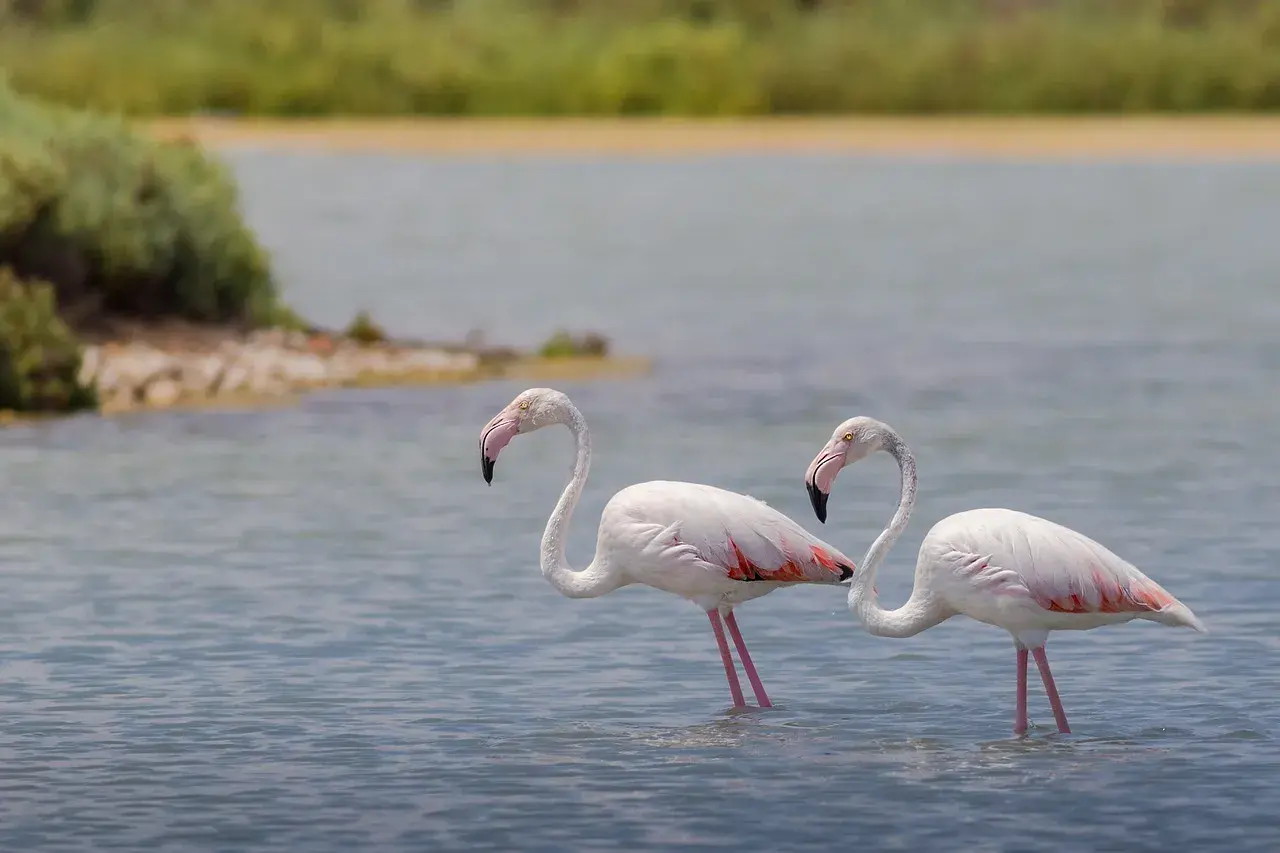
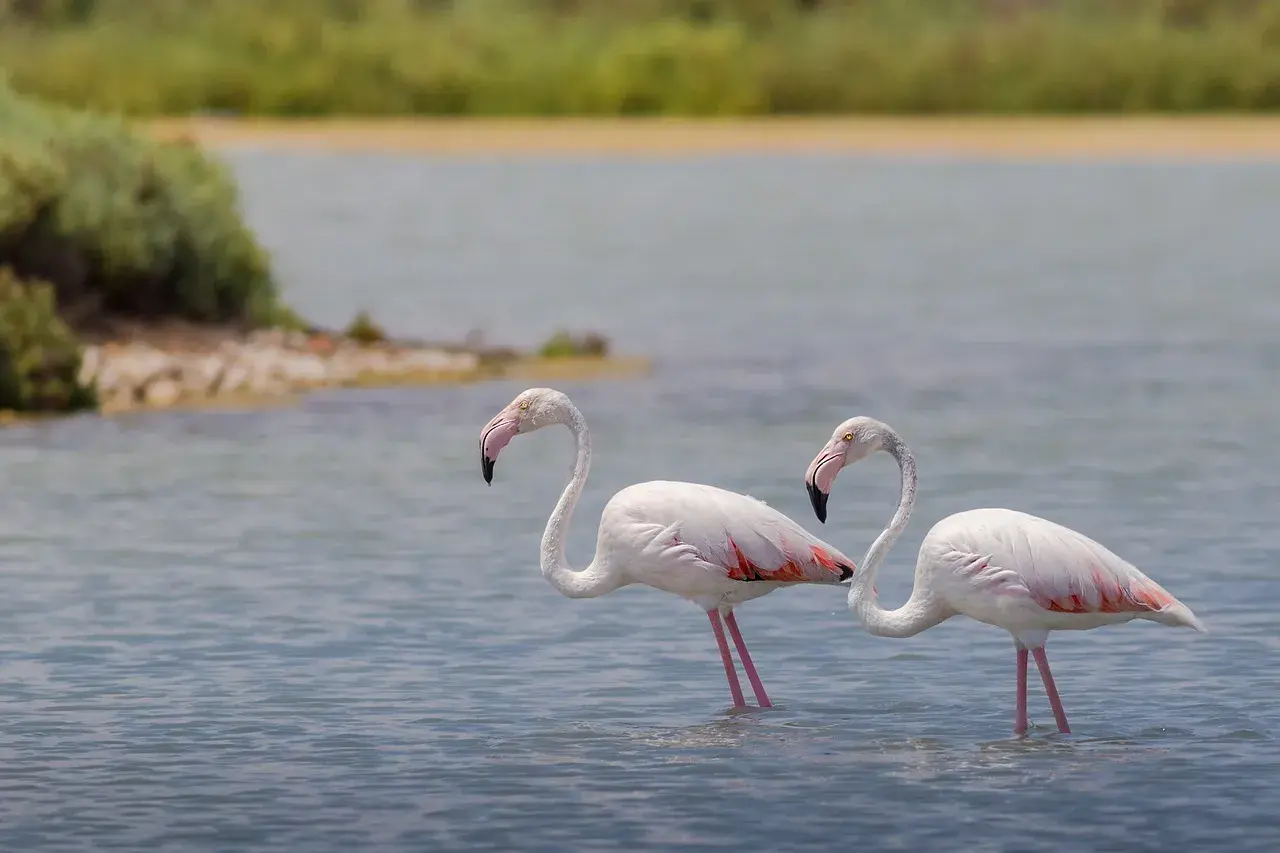
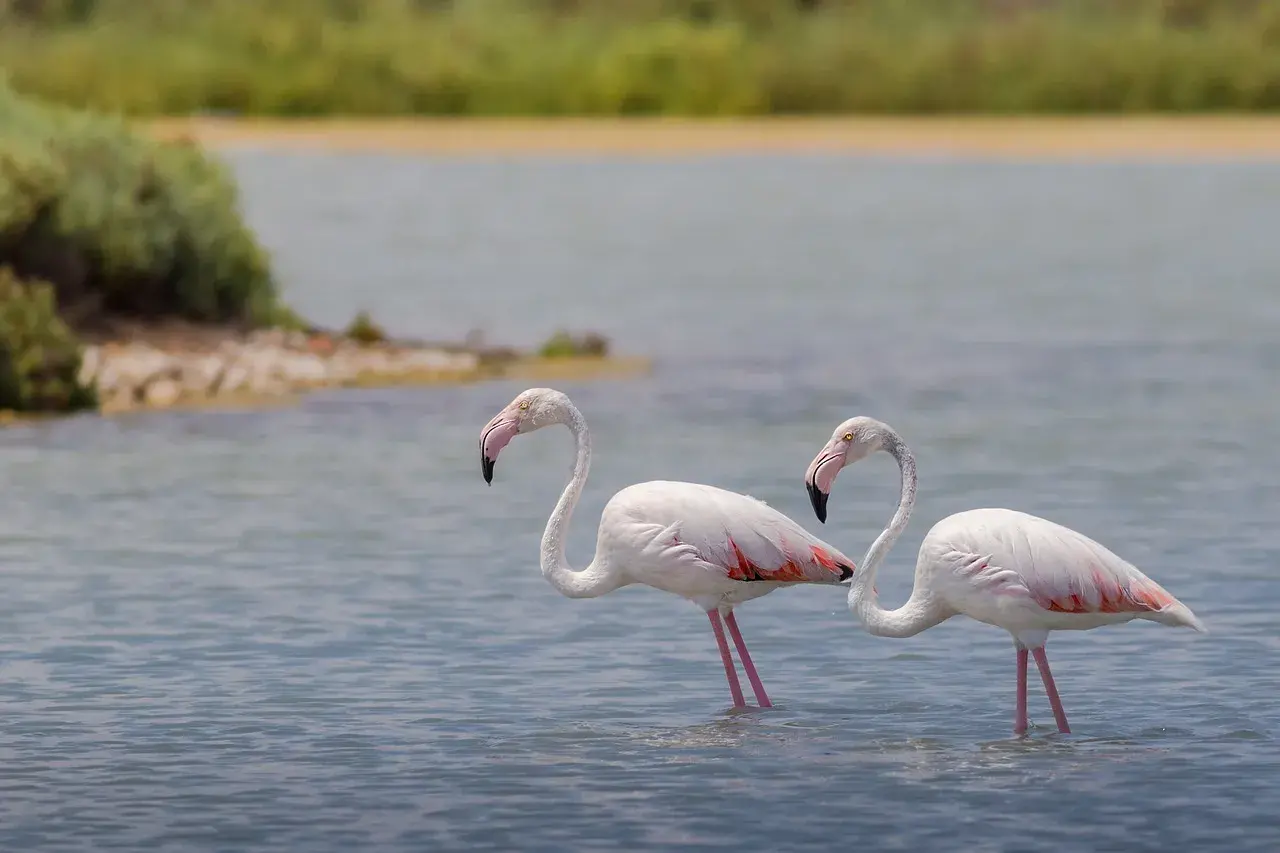
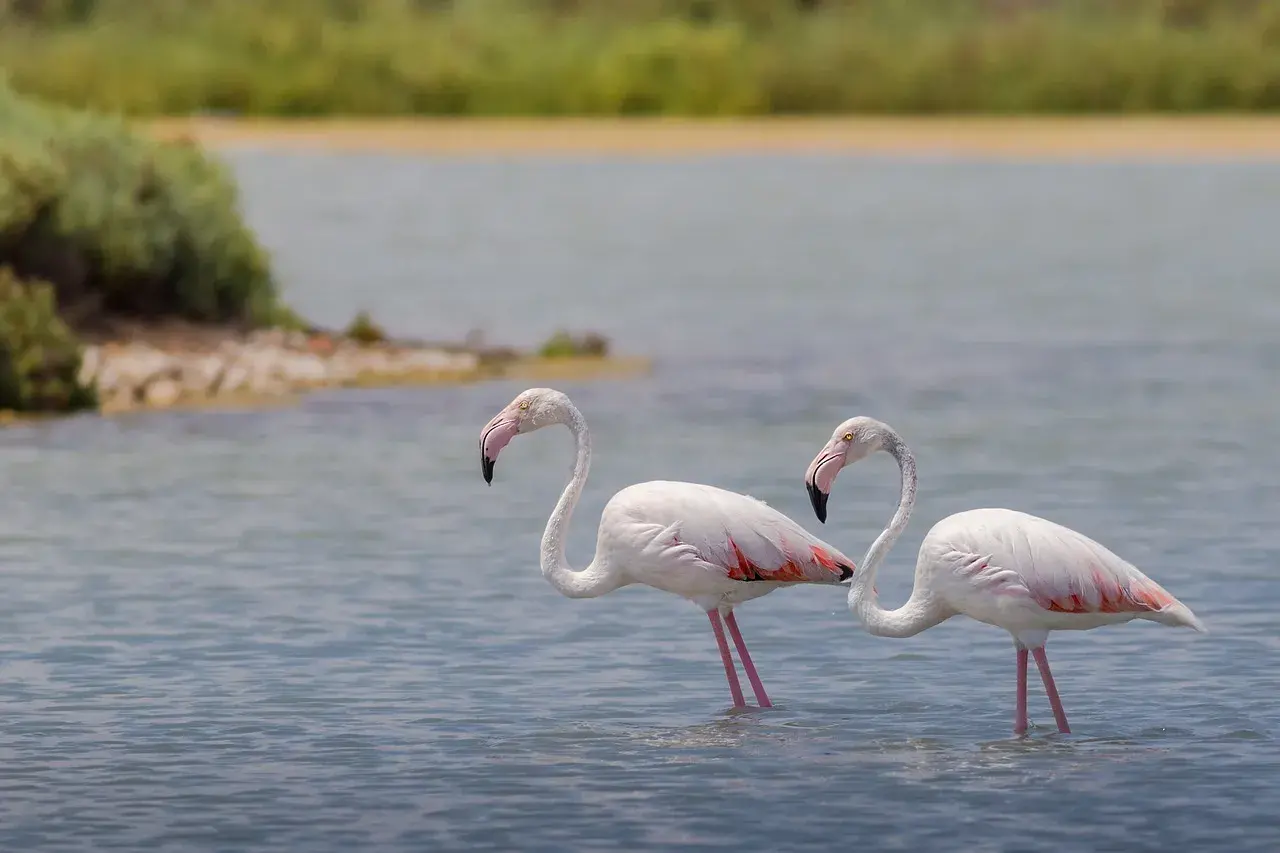
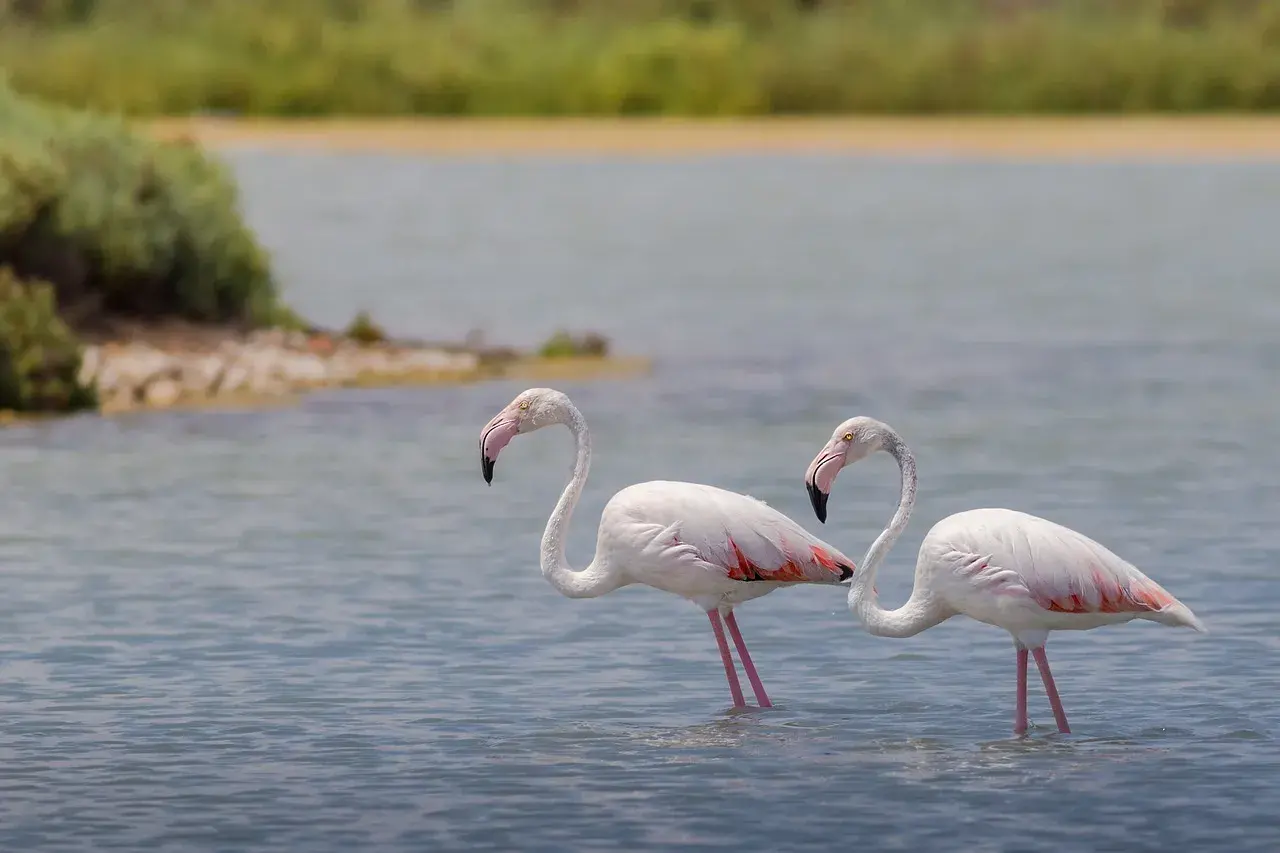
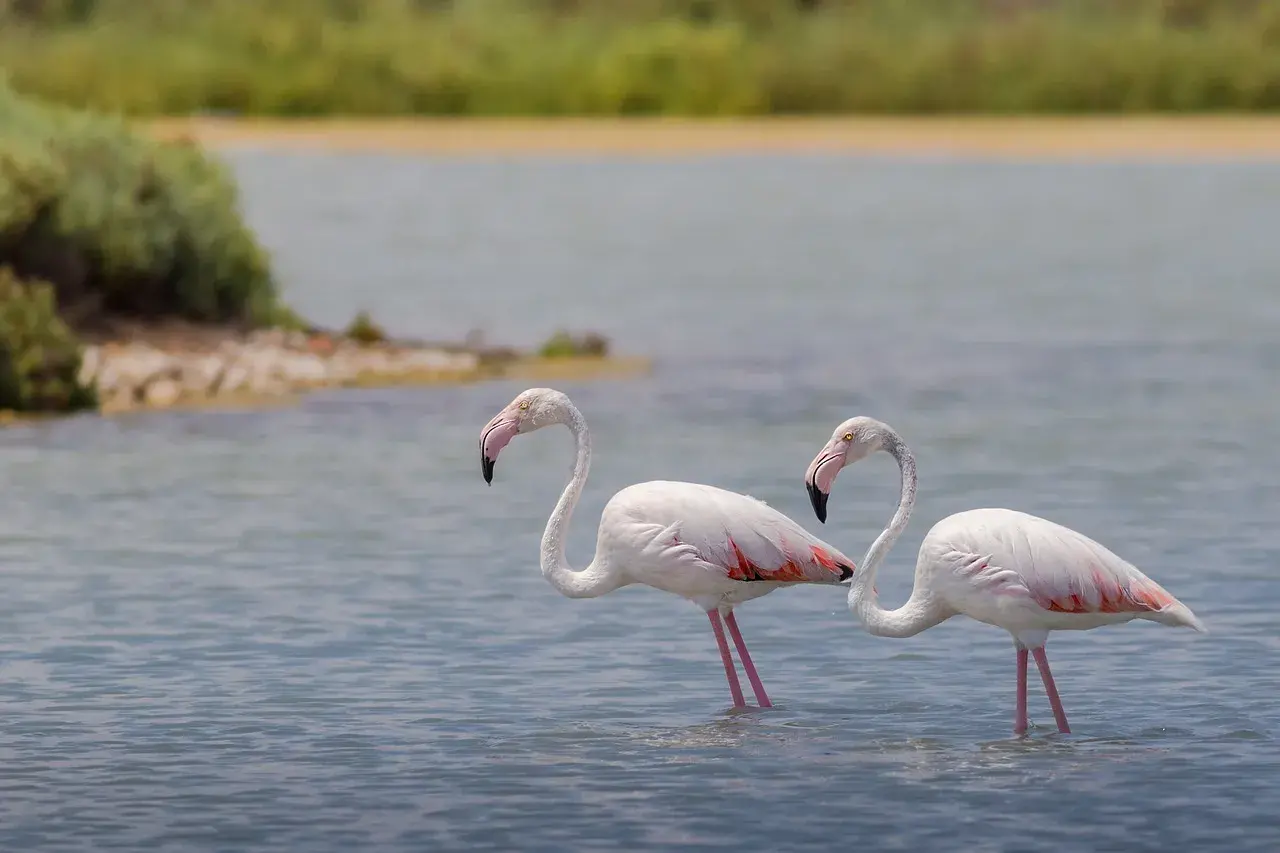
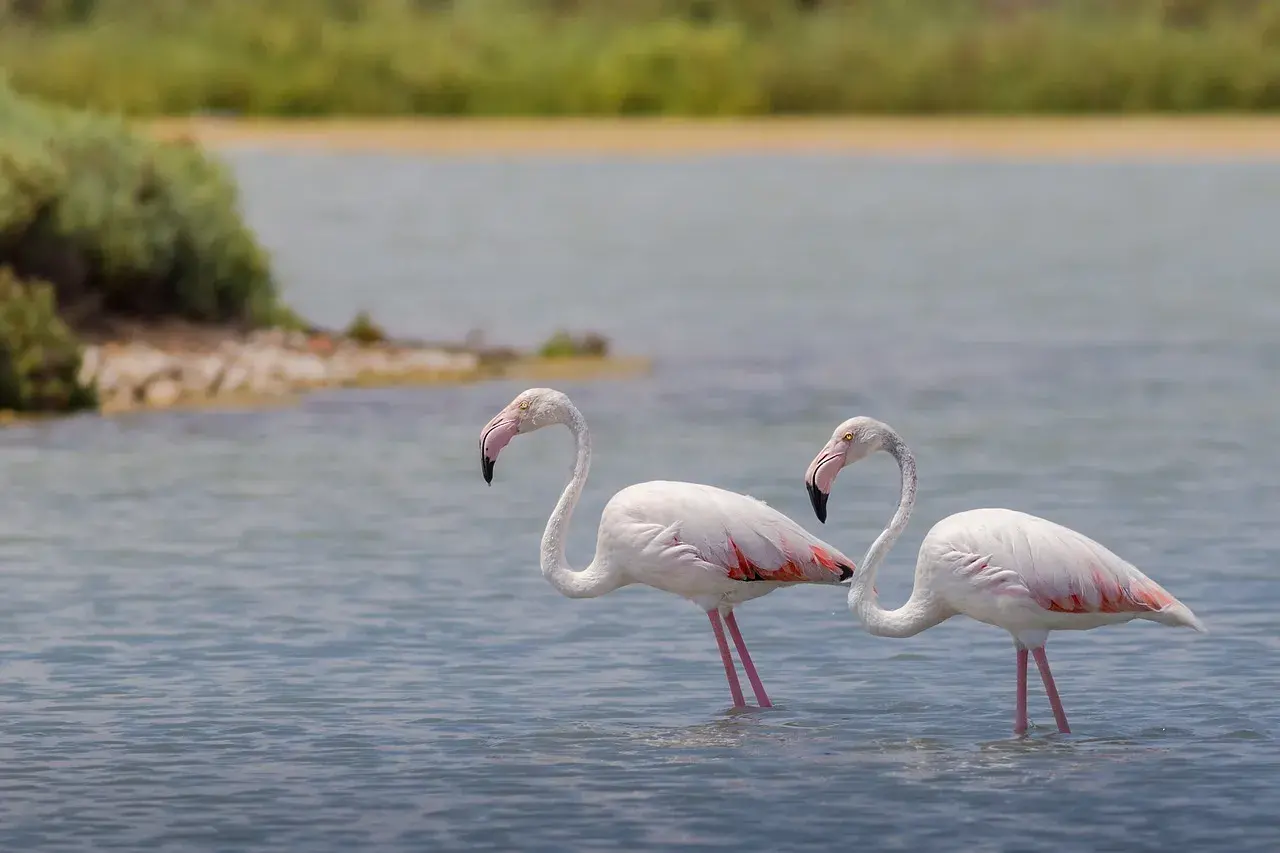
This is the morning you have been building toward. An early breakfast on the crater rim — the sun barely risen, the caldera still filled with mist — before you begin the steep, winding descent down the crater wall. The road drops 600 metres in minutes, and as the mist parts, the scale of what lies before you becomes clear: a 260 km² bowl filled with golden grassland, a soda lake fringed with pink flamingos, black-clay swamps where elephant bulls wade chest-deep, and the iconic flat-topped acacias of the crater floor.
The Ngorongoro Crater is home to approximately 25,000 large animals — and uniquely, those animals rarely leave. The result is a concentration of wildlife that must be seen to be believed. Lions here are famous for their unusual behaviour: large prides that have evolved to hunt by night and rest boldly in the open by day. Buffalo herds of several hundred thunder across the crater floor. And in the swampy ground near the hippo pool, your guide will search patiently for the crater's most prized resident — the black rhino, one of the last viable breeding populations in East Africa.
A proper bush lunch is served on the crater floor beside the hippo pool — a legendary safari tradition. Marabou storks circle overhead, kites swoop for scraps, and hippos snort in the reeds just metres away. After lunch, one final drive loops through the crater grasslands before the long ascent back up the crater wall and the transfer to Kilimanjaro Airport — six days, three parks, and a lifetime of memories now safely yours.
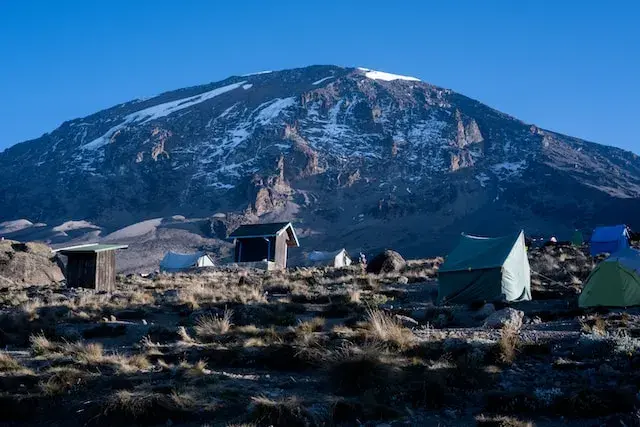
From baobab forests to endless plains and an ancient crater — all private, all seamless.
What's Included & Excluded
Included in Your Tour
Each Africa Endless Cruising safari uses a dedicated 4×4 Land Cruiser customized for Tanzania's terrain. The roof hatch opens fully for panoramic wildlife viewing and photography throughout all three parks.
- Pop-up roof for 360° viewing
- Ergonomic cushioned seats (max 6 guests)
- Built-in mini fridge stocked with water and soft drinks
- USB and 12V charging ports
- High-quality binoculars (one pair per guest)
- In-vehicle Wi-Fi (available in ~70% of coverage areas)
All lodges and camps listed in your chosen tier (Explorer, Signature, or Premium) are fully included for all five nights. All accommodation is en-suite and full-board — all meals throughout the safari are provided.
Your guide is a certified Tanzanian Wildlife Authority professional with a minimum of 8 years guiding experience, fluent in English and deeply knowledgeable in animal behavior, birdlife, local history, and Swahili culture. On a 6-day trip, you'll build a genuine rapport — your guide learning what you love most and tailoring each drive accordingly.
All TANAPA and NCAA fees — including Tarangire National Park entrance, Serengeti National Park entrance, and Ngorongoro Crater descent fees — are pre-paid and included. No surprise charges at any park gate.
Private transfers from Kilimanjaro International Airport (JRO) on Day 1 and return to JRO on Day 6 are fully included. No shared shuttles — your vehicle and guide are exclusively yours for the entire duration of the trip.
In the unlikely event of a medical emergency, all Africa Endless Cruising safaris include emergency air evacuation to the nearest appropriate medical facility throughout Tanzania's national parks and conservation areas.